
Investigations in Mallorca: 1,600 Antique Objects in German Possession
Investigations in Mallorca: 1,600 Antique Objects in German Possession
The Guardia Civil is investigating three Germans: nearly 1,600 archaeological items were found in Calas de Mallorca and at Palma airport. How could this happen — and what is missing from the debate?
Investigations in Mallorca: 1,600 Antique Objects in German Possession
Key question: How did so many finds from archaeological sites end up in private hands — and who bears responsibility?
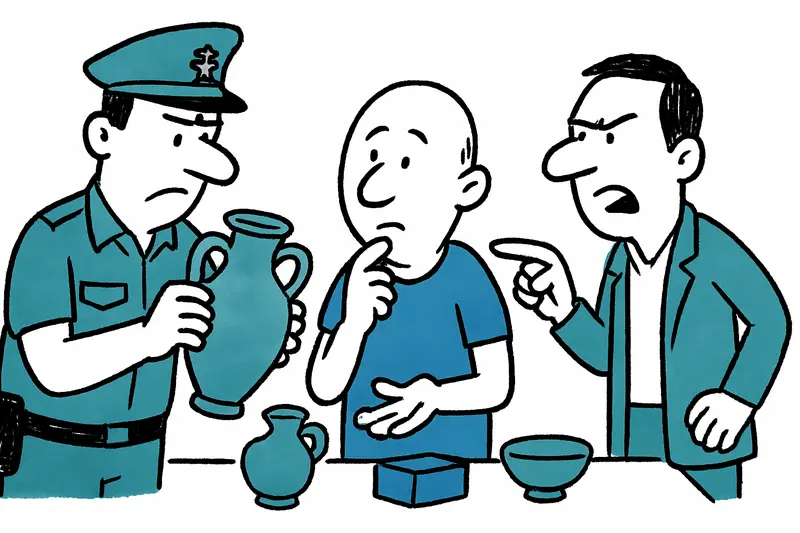
The bare numbers are unusual: investigators on Mallorca assembled almost 1,600 individual items. They are mostly ancient coins, along with amphorae, jewelry, lamps, vessels, figurines and even swords; some objects date from the Middle Ages. The case came to light in October 2024 at Palma airport, when customs stopped an elderly woman with around 50 very old coins in her luggage. In her apartment in Calas de Mallorca the Guardia Civil subsequently discovered a much larger collection. The searches were later reported in Major Raid in Palma: What the Investigations Mean for the Island.
This is not a small flea-market find. It's cultural property that remained in or was removed from find sites. The official investigations focus on three German suspects. The investigations come amid other island cases, for example Arrest in Santanyí: How vulnerable is Mallorca's real estate market to fraud?. The case is relevant to the whole island when you consider the many archaeological locations: the coasts, the dry fields and the hills repeatedly contain remnants from various eras — visible and invisible.
Critical analysis: The discovery at the airport was not an accident, but it raises questions. How long had the suspects been collecting? Which methods were used to find the items? Was there collusion locally or buyer networks in the background? The investigations so far do not detail these points; the material is being examined by experts, yet the public learns only fragments.
That makes it hard to assess. Hoarding old coins once is bothersome; systematic depletion of find sites, however, is a cultural problem with consequences: loss of contextual data, destruction of soil layers, loss for research and local identity. When amphorae with fragments of ship cargo or lamps from homes disappear, a part of the island's history disappears too.
What is missing from public discourse: first, a realistic assessment of illegal demand for antiquities. Antiquities have buyers, often far beyond the island. Second, an open discussion about simple rules for metal detector users and collectors: where is hobby allowed, and where not? Third, the question of resources: do authorities have enough staff, equipment and laboratory capacity to quickly analyze finds and document them securely?
An everyday scene for context: on a cold morning in Calas de Mallorca the baker's van runs over the plaza, an older man fishes in the harbour, children tramp over cobblestones. Between the normal sounds — the clatter of coffee cups, the gulls — the island's history lies in the ground. You almost step daily on layers that have endured for centuries. It is a disquieting thought that without control things can disappear from these layers that are more than just collector's items.
Concrete solutions: authorities, science and civil society need practical tools. Suggestions that can be implemented immediately are: better training for customs and border officials to recognize cultural property; a digital, publicly accessible reporting point for suspicious findings; clear rules and permit procedures for metal detectors; fixed deadlines within which found objects must be examined and registered by experts; cooperation with European databases to track trade routes.
Transparency is important: if finds are identified as potentially protected, they should not disappear into hiding. Temporary depot solutions for seized objects could bridge bottlenecks at museums and research labs. Educational campaigns in communities and for tourists are also necessary: many people do not know that lifting finds without permission is illegal and destroys research.
Technology can help: photo databases, serial numbers for coin finds, rapid molecular or material-analytical tests in regional labs — all this makes the path from find to findspot traceable. International information exchange is also key; stolen objects often reappear in auction catalogs or online portals. Authorities keeping an eye on trade routes reduces the incentives for illegal retrieval.
Another point: who buys? As long as demand exists, the problem remains economically attractive. Therefore dealers, auction platforms and collectors must be given stronger obligations: proof of provenance, blocking periods and mandatory reporting in cases of suspected illegal origin.
Concluding point: the large batch of finds that surfaced after an airport stop is more than a criminological anecdote. It is a warning signal for an island where history is everywhere in the ground. Investigations must be conducted carefully and with public visibility so that research results are secured and the risk of manipulation minimized. And: anyone who lives on or visits Mallorca should be aware of their responsibility — cultural heritage is not a souvenir.
Frequently asked questions
Why are the investigations in Mallorca over antique objects such a big deal?
What kinds of archaeological objects were found in the Mallorca investigation?
How did the Mallorca case come to light at Palma airport?
Is it illegal to take archaeological finds from the ground in Mallorca?
Why do archaeologists worry about coin collecting and metal detecting in Mallorca?
What should tourists know about buying old coins or antiquities in Mallorca?
What is the role of Mallorca customs and police in cases like this?
Why does the Mallorca case matter for local history, not just for collectors?
Similar News
Reality check: Palma's "white" torrent — harmless salt or neglected warning sign?
White crusts on the Torrent de Sa Riera are causing a stir. Emaya describes them as salt deposits. Our reality check: wh...
When Ryanair's fleet grows: What Mallorca's travelers should know
Ryanair will soon receive 737 Max 10 jets. The larger aircraft offer potential savings — but also new risks for flight o...
Rising fuel and housing costs: Why Mallorca's overland buses are suddenly overcrowded
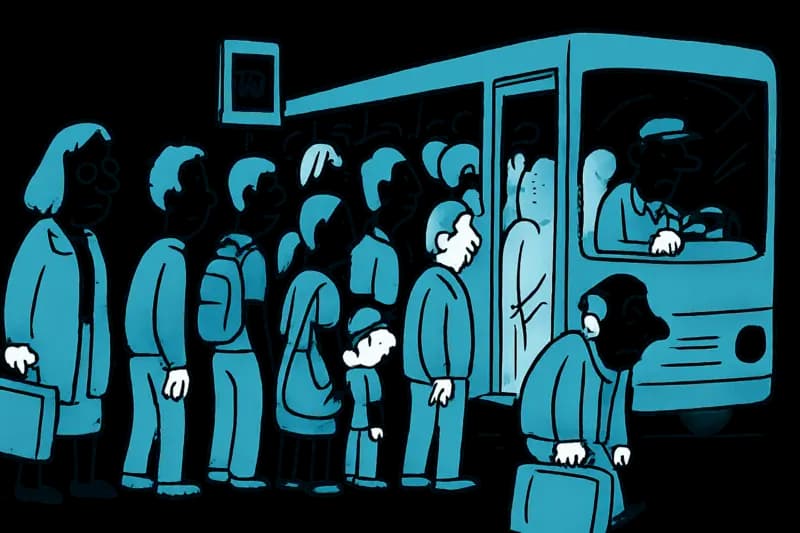
More and more people are leaving Palma — and boarding TIB buses: Between January and August 2026, the network recorded o...
Carriages Without Horses: Palma Plans E-Carriages – a Reality Check
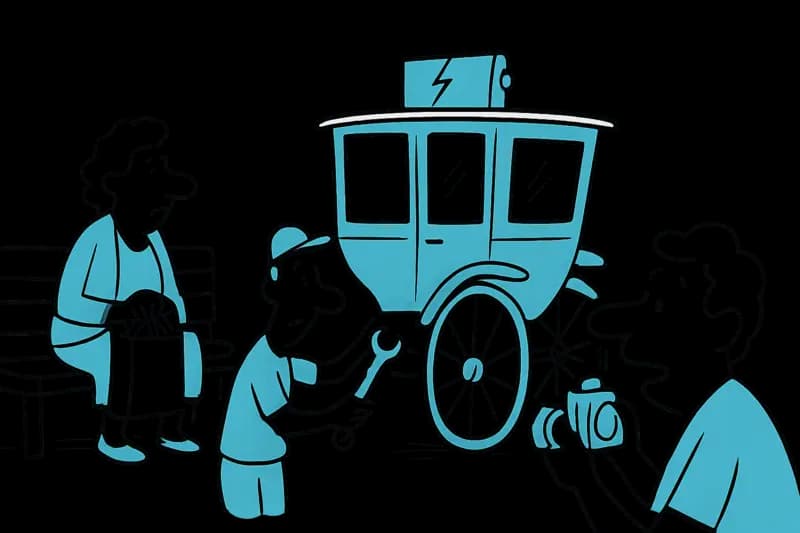
Palma plans to switch to electric carriages in 2027. The prototype was shown near the cathedral. What is the technology ...

Record season, empty coffers: Who really benefits from the tourism boom?
Full hotels and more flights: the numbers sound impressive — yet many locals feel no benefit. A reality check with an ev...
More to explore
Discover more interesting content

Can Cap de Bou

Townhouse Lleo 72
