
Ironman in Alcúdia and Binter Night Run in Palma: Who can still get through today?
Ironman in Alcúdia and Binter Night Run in Palma: Who can still get through today?
The Ironman 70.3 in Alcúdia and the Binter Night Run in Palma are causing extensive road closures today. If you're in Port d'Alcúdia, around the Tramuntana or on the Paseo Marítimo, plan your route now. A reality check with everyday scenes, missing information and concrete suggestions.
Ironman in Alcúdia and Binter Night Run in Palma: Who can still get through today?
Key question: How well are residents, delivery services and commuters really prepared for the road closures caused by two major events in Mallorca?
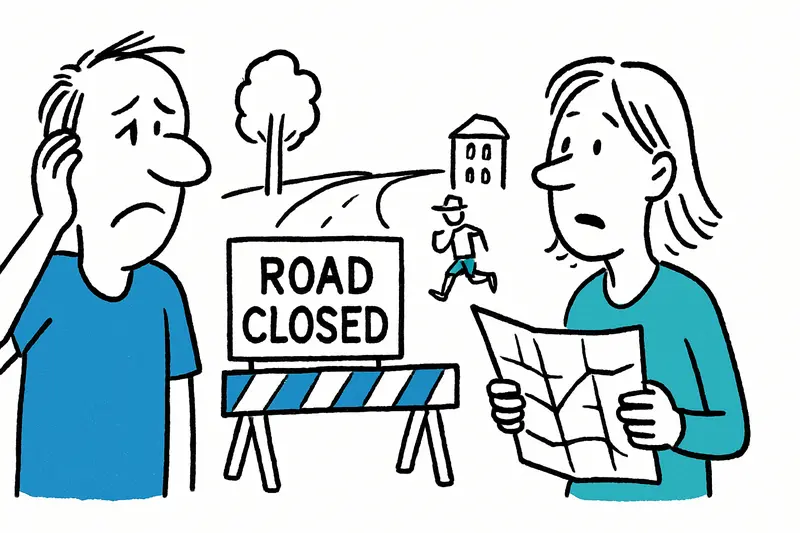
Today the island is performing a logistical balancing act: In Alcúdia the Ironman 70.3 starts — almost two kilometres of swimming, 90 kilometres of cycling and a half marathon — and in Palma about 4,200 runners are taking part in the Binter Night Run in the evening. For drivers this means: closures in the port town Port d'Alcúdia and along the bike routes towards Pollença, Lluc, Caimari, Muro and Sa Pobla. In Palma the Castell de Bellver, the Paseo Marítimo and the old town are particularly affected, as described in the Night Run through Palma: Running under Lanterns and along the City Wall.
Critical analysis
Events of this size are attractive from a sporting, tourist and economic perspective. At the same time they create bottlenecks in traffic that affect not only tourists. From my on-site observation five central problems emerge: the time windows for closures are not always communicated precisely; residents of small towns often receive access passes only at short notice; supply chains — bakeries, pharmacies, tradespeople — are rarely prioritised; bus routes change without comprehensive notices; and there are too few visible temporary diversions for locals. Local reporting on the Fira del Variat and Night Run: When Festive Spirit Meets Everyday Life — What Palma Should Improve Now highlights similar bottlenecks.
You can feel it on the road: barriers are already set up in Port d'Alcúdia early in the morning, volunteers in high-visibility vests direct vehicles into narrow side streets. An old convertible driver from Can Picafort parks irritated at the roadside while waiters at the harbour café hurriedly hand over orders to runners. In Palma the lights of Bellver hill are visible, the runners warm up their feet, but taxis search for routes to avoid the closed sections — creating congestion at Plaça Espanya and at the tunnel towards Son Sardina.
What's missing from the discourse
Public notices usually focus on the course itself — for participants and spectators. Little is reported about the consequences for everyday life: How do emergency vehicles reach residents on closed streets? How should seniors do their shopping? What agreements are there with bus operators and delivery services? And where can tradespeople or emergency services find temporary alternative parking at short notice? Such questions often remain unanswered. Even charity events such as the Charity Run in Palma: Solidarity on the Streets — What Residents and Visitors Should Know include closure notices that need clearer communication to residents.
Concrete solutions
A few practical ideas that would help in the short term: 1) Publish clear, minute-accurate closure times online and on local boards; 2) Temporary access passes for residents, distributed through town halls and neighbourhood groups; 3) Coordinated diversion plans with highly visible mobile signs, especially at junctions towards Muro and Sa Pobla; 4) Short shuttle services from car parks outside the closure zone (e.g. industrial areas) at peak times; 5) Information cooperation between organisers, the municipality, police and local buses — so passengers can see alternatives early.
Technically, a simple daily map widget on the municipalities' and organisers' websites would also be helpful: which streets are closed, where parking bans apply, and where residents are allowed to park. Radio stations and village WhatsApp groups can repeat such information hourly — this would relieve emergency numbers.
Everyday tip for today
If you need to travel around the island today: allow extra time, use the early morning before the starts if possible, avoid the Paseo Marítimo in Palma in the evening, arrange delivery times with tradespeople and ask around your neighbourhood whether someone has a valid resident pass. Those living in Port d'Alcúdia should park their car outside the closure zone and walk a short distance — that saves stress when returning.
Conclusion: Big events are part of island life. They bring energy, people and income. But without precise communication and simple alternatives residents and small businesses become collateral damage. A bit more planning — and visible, understandable information — would save many people the day.
Frequently asked questions
Is Mallorca warm enough to swim in spring?
What weather should I expect in Mallorca in autumn?
What should I pack for Mallorca in shoulder season?
When is the best time to visit Mallorca for a quieter trip?
Is Palma de Mallorca a good place to stay without a car?
What is Sóller like for a day trip in Mallorca?
Is Alcúdia suitable for a family holiday in Mallorca?
Can you still enjoy Mallorca if the weather changes during your trip?
Similar News
When the Wallet Becomes a Danger: Attack in Peguera and Lessons for Mallorca
In Peguera, two women are said to have stolen the wallet from a 75-year-old German couple. When the victim intervened, t...
Plata stays Plata: Young people take over, Llonguets remain
A small bar on Carrer de l'Argenteria will continue: Tolo Serra hands the place over to young Mallorcans at the end of t...
Unnoticed in the Luggage Compartment: How a Boy Traveled More Than 100 Kilometers in a Team Bus
A minor traveled in the undercarriage of a team bus for more than 100 kilometers until his cries for help were heard. A ...

Cap Vermell Grand: Second Michelin Key – a Gift for the East
The Cap Vermell Grand in Capdepera has been awarded its second Michelin key. For the region this elevates the luxury off...
Eurowings lets four aircraft carry names – a friendly idea that also reaches Mallorca
Eurowings is launching a campaign: four Airbus A320s are to carry the first names of people who help others in everyday ...
More to explore
Discover more interesting content

Can Cap de Bou

Townhouse Lleo 72
