
Between Family Legacy and Melodies: Jenny Jürgens on Merci Chérie, Helping and Life in Mallorca
Between Family Legacy and Melodies: Jenny Jürgens on Merci Chérie, Helping and Life in Mallorca
Jenny Jürgens, daughter of Eurovision winner Udo Jürgens, talks about her father's legacy, the new picture disc of "Merci Chérie", her commitment to older people and why Mallorca is a place of calm for her.
Between Family Legacy and Melodies: Jenny Jürgens on Merci Chérie, Helping and Life in Mallorca
How a song connects generations — and why Mallorca is a second home for Jenny
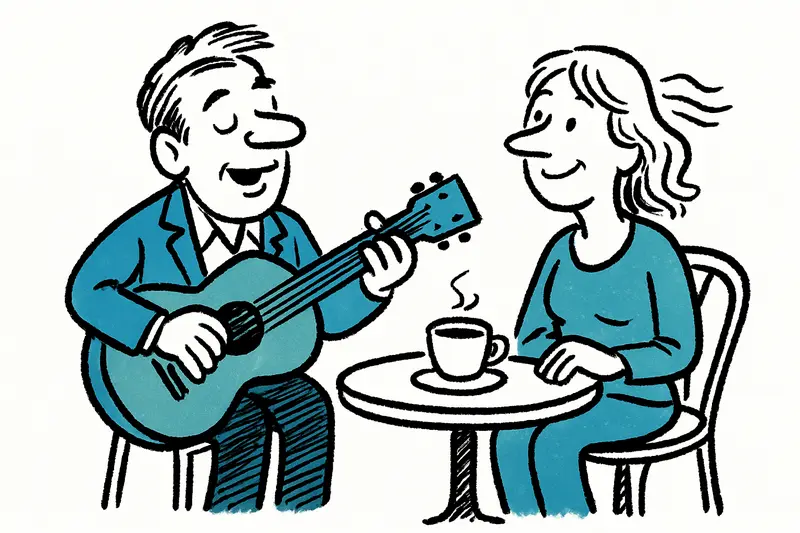
On a mild morning, when the streets around Passeig Mallorca still smell of freshly swept pavement and coffee, Jenny Jürgens sits with a light breeze in her hair on the terrace of a café and talks, completely without the spotlight, about how her life was shaped by her father's music. It isn't kitsch or a black-and-white retrospective, but a conversation about memories, responsibility and small rituals.
"Merci Chérie" has accompanied her since childhood. Back then the song was simply part of everyday music; today she hears the lines with a different weight. What was perceived as a schlager reveals, on closer listening, the delicacy of a love song. Jenny says that only over time did she truly understand the emotional nuances — and that's exactly the appeal: a song that grows with you.
For the song's 60th anniversary, the Jürgens heirs released a picture disc. Not a loud marketing stunt, but a loving tribute to the classic, complemented by historical photos and unusual versions in several languages. Jenny laughs when she tells of a disco version she had never heard before: "I really never heard that one — and I like it." Such discoveries show how versatile a work can be across decades.
The discussion around the Eurovision Song Contest fascinates her not as a fan consumption but as an observer: her father appreciated a reduced setting back then — one man, one piano, one song. Today's stage would surely have felt like too much show to him. Jenny finds that understandable but remains curious: she has looked around at ESC pre-shows in Vienna, yet she prefers to follow the big live night relaxed from the couch.
Beyond musical topics, another concern drives Jenny: old-age poverty and the situation of elderly people. Her project "Herzwerk" aims to give these people visibility. In Mallorca, she says, family networks are often strong — at the same time, infrastructure is lacking in many places. In towns like Sóller there are only a few permanent care places, and care is expensive. Many relatives provide care at home; that is demanding both financially and emotionally. Stories of local resilience and language-driven integration are highlighted in When the Money Disappeared: How Andrea Rebuilt Her Life in Mallorca with Spanish.
On a personal level, balance is important to her. She lives between Vienna and Mallorca and once a year takes a quiet pause at her father's grave, without ritual obligation. She values encounters with fans very much; the closeness is often affectionate. But she also knows about intrusive behavior and protects herself by avoiding social media when she notices that comments hurt. This approach mirrors public debates around exposure and privacy in Danni Büchner: Between Show and Protection – a New Summer in Mallorca.
What does all this mean for Mallorca? Here musical tradition meets everyday life: concerts, memorabilia like the picture disc and social initiatives spark conversations in cafés, on squares and in small cultural houses. People of very different backgrounds sit at one table and talk about melodies, care and solidarity. That everyday mix — between laughter, solitude and community work — is explored in Emily Gierten and the Invisible Island Everyday: Between Children's Laughter and Loneliness. That is not merely nostalgic; it enlivens communities.
Outlook: The picture disc and the renewed engagement with a classic show that musical heritage can be locally rooted and simultaneously international. Initiatives like "Herzwerk" link culture with social responsibility. For an island that lives from tourism and is shaped by cohesion, that makes for a good soundscape.
Frequently asked questions
Why does Mallorca matter so much to Jenny Jürgens?
What kind of weather makes life in Mallorca pleasant for café terrace conversations?
What is so special about Merci Chérie for Jenny Jürgens?
Can you swim in Mallorca in the shoulder season?
What is the best time of year to visit Mallorca for a quieter atmosphere?
What is the care situation like for older people in Sóller, Mallorca?
Is social media important for public figures living in Mallorca?
What does Jenny Jürgens’ charity work have to do with Mallorca?
Similar News

Rental Car Theft in El Arenal: What This Incident Reveals About Our Gaps
A teenager steals a running rental car in El Arenal, flees on foot, climbs over walls and is caught by the Guardia Civil...

Red Rope in Palma's Library: What Helps Against Selfie Tourism — and What's Missing
Palma's city library cordoned off an area with a red rope to keep selfie tourism away from reading and working activitie...

Fort San Carlos: Museum, Harbor Dispute — and a Conflict That Demands Answers
The military museum at Fort San Carlos sits right on Palma's harbor, with unexpectedly quiet rooms filled with cannons a...

Old Town Under Pressure: When a Doorway Becomes a Sleeping and Shower Place
For months a woman has been living with a parasol, a clothes rack and personal belongings next to the social welfare off...

When Shopping Weighs Heavier: Mallorca Demands a Tax Pause on Food and Fuel
Rising prices are putting pressure on households and agriculture. The Balearic Islands are calling for temporary tax rel...
More to explore
Discover more interesting content

Can Cap de Bou

Townhouse Lleo 72
