
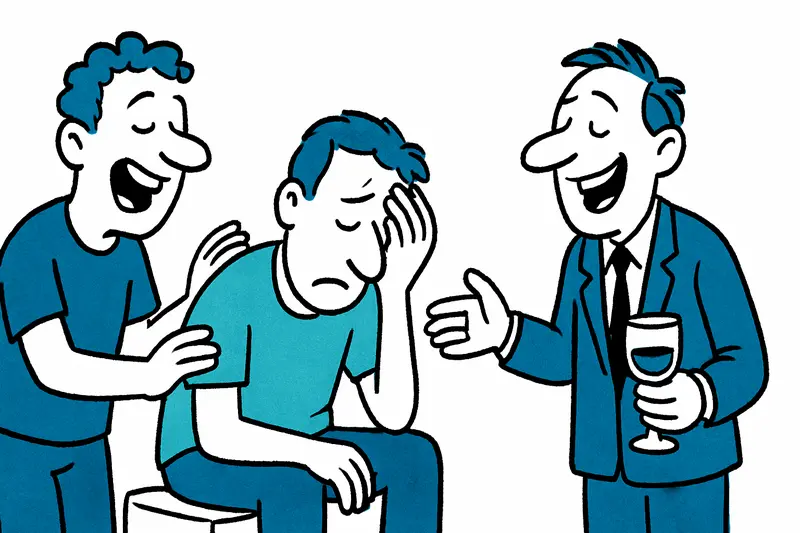
'A joke among men?' — When victims fall silent under doorstep and hotel lights
A court case from Germany about an act in a Playa hotel brings an uncomfortable truth to light: men can be victims of sexualized violence — and the taboo runs deep. A critical perspective from Mallorca.
'A joke among men?' — When victims fall silent under doorstep and hotel lights
Guiding question: Why is it so difficult for us to take male victims of sexual crimes seriously?
The description of the act is short, blunt and hard to read: in a hotel room on the Playa, after a night of partying, four men crept up to a sleeping friend. One man was penetrated against his will, a water bottle was used, and two people present filmed. In a German court the victim reported the incident; three defendants confessed, one was acquitted in the Trial in Essen: Four Germans charged over alleged incident in Mallorca. Such lines provoke head shaking in many people — often accompanied by a sentence like 'It was just a stupid prank'. But why is that?
This question is not an academic thought experiment. It hits reality on Mallorca: along the avenue in front of Playa de Palma you hear groups at night in summer, loud laughter, cans of beer, the clack of high heels. In the shadow of the lights something sometimes happens that doesn't fit in party photos. But the reaction afterwards — laughter, trivialization, embarrassment — often leaves those affected alone. Men who experience sexualized violence frequently meet incomprehension, mockery or a casual explanation: 'They could hardly do anything about it, they were drunk.'
Critical analysis: Where the social system fails
The trivialization has several causes. First: stereotypical notions of masculinity. A man who shows weakness risks mockery. Second: legal and practical obstacles. Medical examinations and evidence collection are focused on female bodies — procedures for male victims are less well known and not always practiced in some clinics, as explained in the WHO clinical guidelines on the medico-legal care of victims of sexual assault. Third: lack of infrastructure. Counseling centers that specifically address men are rare; reporting and support processes can be intimidating.
What is missing most in the public discourse is normalization of the topic. Not every debate about violence in Mallorca should end with headlines about drunken tourists, as seen after the Suspended Sentence After Abuse in Palmanova: A Verdict That Raises More Questions. There is a lack of clear information for those affected, for tourism professionals, for night owls. Those who only scandalize help no one. Those who play it down wound victims again.
What is missing from the public debate
We speak too little about practical support: Where can a man go in the middle of the night? What emergency medical care is available? How do police and justice handle such reports — especially when the scene of the crime is in another country? There is also a missing debate about the role of witnesses: why don't friends intervene? Why are recordings treated as trophies instead of evidence that should lead to a report, as in other local incidents such as the Sex at a Hotel Pool in Port d'Andratx: When Vacation Freedom Meets Public Exposure?
Everyday scene from Mallorca
Imagine Calle Jaume III in Palma in December: puddles from rain, streetlights, a café where two men quietly drink their coffee. The older one glances at his watch, remembers the night at the Playa, a whisper, a photo that suddenly appeared in the group chat. He hesitated a long time before he called the police. Such scenes don't only play out in courtrooms; they meet us at bars, in taxi queues and in the quiet living room.
Concrete approaches to solutions
1) Awareness campaigns: Authorities, health centers and tourism businesses should provide informational material — explicitly addressing men as well. 2) Training for police and emergency services: Trauma-informed initial interviews and knowledge of medical evidence collection for male victims must become standard. 3) Low-threshold counseling services: Anonymous hotlines and online counseling, advertised in hostels, hotels and at airports, and supported by resources such as RAINN information on male sexual assault victims. 4) Prevention in the night-time economy: Clearer rules in clubs and hotels, trained security staff, clear procedures for responding to assaults. 5) Legal clarity: Prosecutors and courts must conduct proceedings so that shame and victim blaming do not create additional pressure.
These measures sound banal — and they are. But they require political attention and funding. Above all they require the courage to listen to voices that have so far been too quiet.
Pointed conclusion
A 'joke among men' is no joke. When we talk about Mallorca — its nights, its bars, its tourists — we must also talk about responsibility: of friends, of the hospitality industry, of authorities. Those who laugh today may prevent a person from finding the way to help tomorrow. Personally I wish for less laughter and more pathways in which victims can be heard without shame and with respect. That would be a step toward preventing the same bitter stories from repeating after night-time incidents.
Frequently asked questions
How common are sexual assault cases involving male victims in Mallorca’s nightlife scene?
Why do some people dismiss sexual violence against men as a joke in Mallorca?
What should a man do after a suspected sexual assault in Mallorca?
Where can male victims of sexual assault get help in Mallorca?
Can a sexual assault in Mallorca still be reported if it happened in a hotel room?
What role do witnesses and friends play after a suspected assault in Mallorca?
What should hotels and clubs in Mallorca do to prevent sexual assaults?
Why is it harder for male victims of sexual assault to speak up in Mallorca?
Similar News
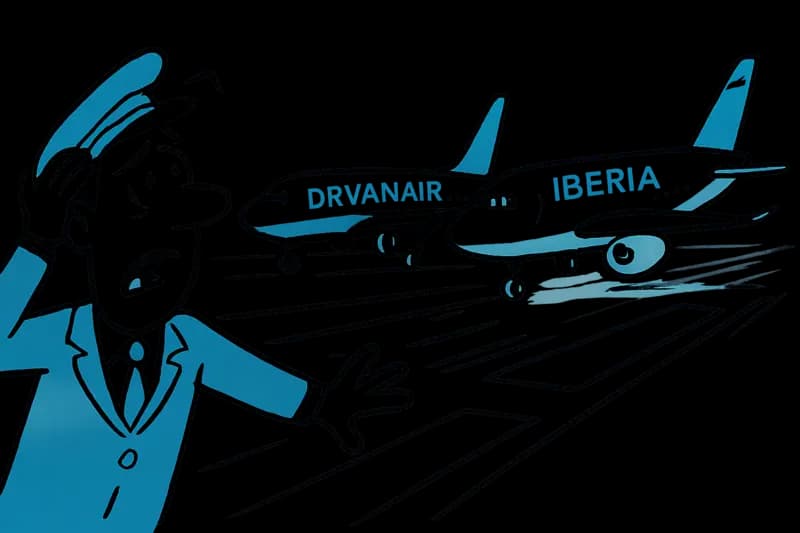
Near-miss on Lanzarote: Landing Ryanair Jet and Iberia Takeoff — what really went wrong
On Lanzarote there was a dangerous incident: A Ryanair flight (FR5910) from Dublin landed on runway 03 while an Iberia E...
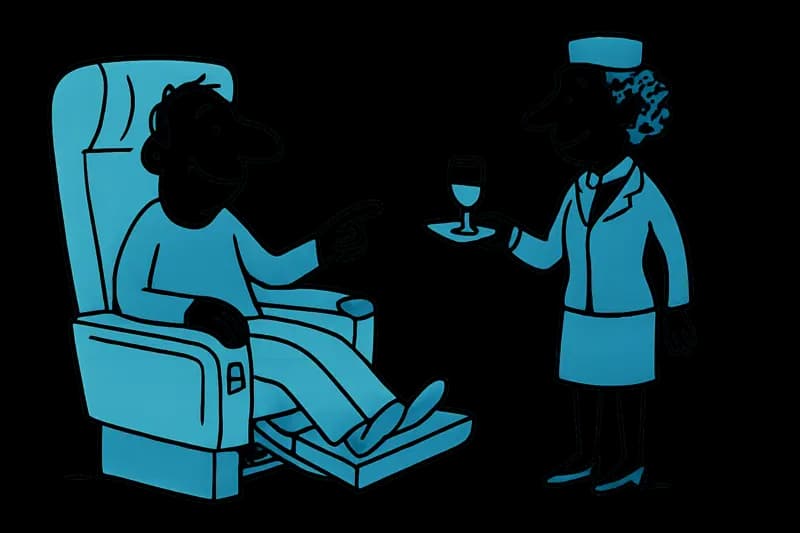
Eurowings introduces new Premium Business seats on Mallorca routes
From December 1, selected Eurowings flights to Palma and other destinations will feature eight particularly generous sea...
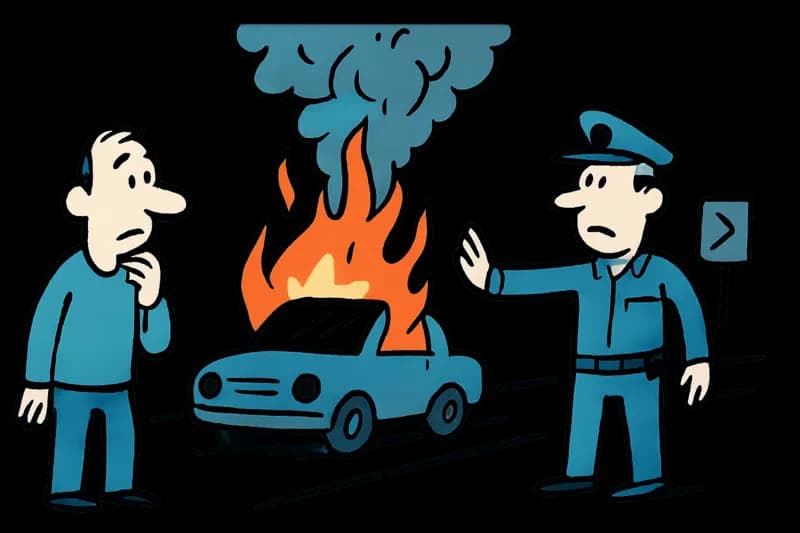
Car on MA-13 near Inca in flames – a safety check for the island
A vehicle caught fire on the MA-13 towards Alcúdia on Tuesday afternoon. The driver was uninjured, the car was destroyed...

Real Estate in Mallorca: Fewer Buyers, Higher Prices — What's Behind It?
Sales on Mallorca are falling, yet prices continue to climb. Why fewer transactions do not equal relief — and what shoul...
Just Bought — Already Trouble: Water Damage in the Heiters' Villa and What Owners in Mallorca Should Know Now
A newly purchased sea-view property — and within days a water damage. What risks lurk in new properties in Mallorca, and...
More to explore
Discover more interesting content

Can Cap de Bou

Townhouse Lleo 72
