
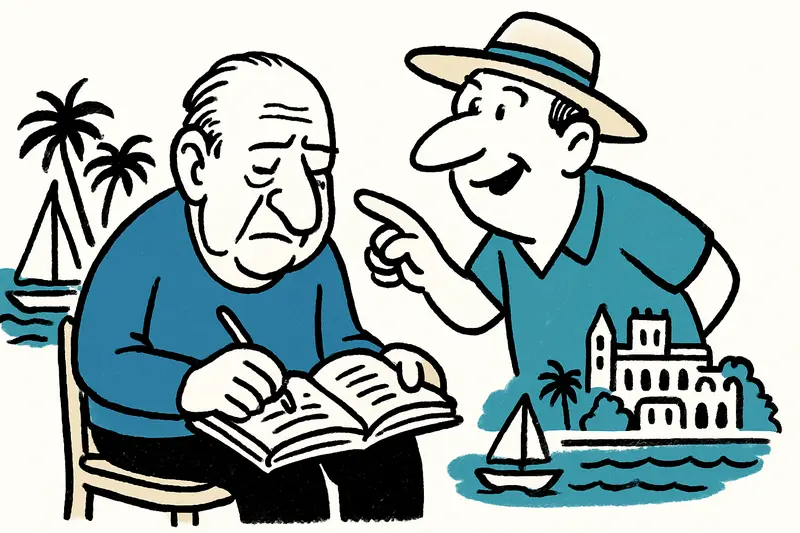
The Old Man, the Memoirs and Mallorca: A Critical Look at Juan Carlos' Island Reminiscences
The Old Man, the Memoirs and Mallorca: A Critical Look at Juan Carlos' Island Reminiscences
Juan Carlos' new memoirs portray Mallorca both as a retreat and a stage. What the anecdotes reveal — and which questions are overlooked on the island.
The Old Man, the Memoirs and Mallorca: A Critical Look at Juan Carlos' Island Reminiscences
Between yacht fantasies, family barbs and the Palma feeling
Guiding question: What do the passages about Mallorca in Juan Carlos' book "Reconciliación" really say — and what is missing from these memories if one takes the island seriously?
You no longer see him on the Passeig des Born, you don't hear him laughing among the market stalls at the Mercat de l'Olivar. Yet the book attempts to build a personal bridge to Palma. Juan Carlos, now in self-imposed exile in Abu Dhabi, writes about decades of visits to the island, about the yacht Fortuna (yacht), about a regatta in 1969, about the moment when he "left the city at its peak." He recounts encounters with prominent guests: of Lady Diana he quotes: "I asked her how she liked Palma, how she liked the food" and notes tersely: "She hardly answered." About the current Queen Letizia the text says: "She was not helpful in holding the family together." And about his wife Sofía one reads phrases like "the embodiment of noble spirit."
These are powerful, almost cinematic images: the blue bay, the Fortuna at the buoy, intrusive photographers whom one once could tell to "get lost." Such scenes strike a nerve with Mallorcans who associate the scent of fried fish and the shrill cry of seagulls with memories of celebrities. Precisely because the island is part of this narrative, it is worth taking a closer look, as discussed in Royal Memoirs and Mallorca: Between Anecdote and Reality.
Critical analysis: The memoirs deliberately choose excerpts. Memories are subjective — that is legitimate — but they are also political when a former king describes public figures and institutions. Juan Carlos casually attacks judge José Castro and accuses him of having "consciously sought notoriety." Such sentences sound like self-defense. Yet much remains unspecific: What facts support these accusations? Which recollections are driven by emotion and which can be substantiated?
The family passages are selective as well. Easter Sunday 2018 in front of Palma Cathedral, a publicly observed moment with an argument over a photograph, is used to illustrate family rifts. For readers on Mallorca, this creates an image that uses the island as a stage rather than recognizing it as an independent actor in the story.
What is missing from the public discourse: the voice of the island itself. In the memoirs Mallorca appears primarily as a backdrop and the private rooms of the House of Sun. There is little space for the perspectives of the people who organize everyday life — hotel employees, harbor workers, photographers, restaurateurs. Legal and moral questions surrounding the cases involving Juan Carlos are commented on personally rather than presented in a factual manner. The balance between private memory and public responsibility remains weak.
Everyday scene from Palma: Imagine the Calle de la Lonja on a windy December morning. A taxi driver pulls his gloves over the steering wheel, next to him a fish seller tells a tourist how yacht crews and paparazzi used to clash on the Paseo Marítimo. A child steps into a puddle, the seagulls cry — and an older woman at the café says: "He was here, but Mallorca was never just a stage." This small scene shows: the island carries the memories of many, not just those of a palace.
Concrete proposals: 1) Make public archives and court records more accessible so that claims can be historically verified; 2) Independent historians and lawyers should contextualize statements instead of leaving them as mere anecdotes; 3) On Mallorca, local voices should become more visible: cultural projects, oral-history initiatives and discussion forums where hoteliers, dockworkers and families can speak about the island's role in national elite history; 4) For family conflicts of public figures, mediated reconciliation (for example through neutral ombuds institutions for traditional institutions) could help reduce personal attacks.
Why this matters: Memoirs remain a piece of personal memory. They may hurt, provoke or attempt to reconcile. But when prominent voices instrumentalize the island as a narrative space, readers should know which parts are verifiable and which should be read as subjective interpretation. Mallorca has its own public sphere — not just celebrities as scenery.
Punchy conclusion: Juan Carlos' book delivers atmospheric chapters and private barbs alike. For the island the rule applies: we can note the anecdotes with a smile, but not without asking questions. Memories must be measured against the public interest. Those who leave Palma "at its peak" should not expect the island to preserve them merely as a memory. It will have questions — and that is a good thing.
Frequently asked questions
What does Juan Carlos say about Mallorca in his memoirs?
Why do people in Mallorca react critically to royal memoirs about the island?
What role does Palma play in Juan Carlos’ memories?
What is the significance of the yacht Fortuna in Mallorca’s royal history?
Was Mallorca just a holiday backdrop for the Spanish royal family?
What happened in front of Palma Cathedral in 2018?
What is missing from royal memoirs about Mallorca?
How should readers in Mallorca treat personal memoirs by public figures?
Similar News
Injured captain, big plans: Germania Mallorca before the away match in Consell
The newly founded FC Germania Mallorca travels to Consell on Saturday. Captain Bastian Müller is out injured, but coach ...
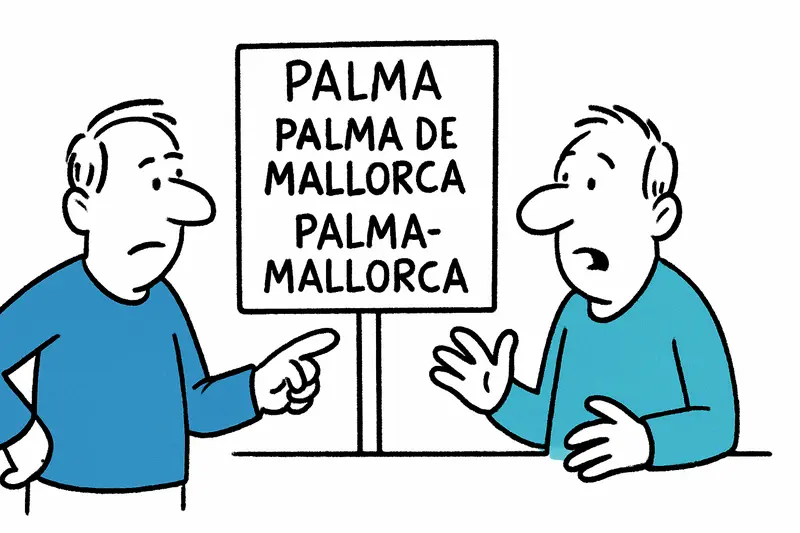
Palma, Palma de Mallorca, Palma‑Mallorca: What is it really about?
The debate over the city's name is more than grammar: it concerns identity, law and branding policy. A sober reality che...
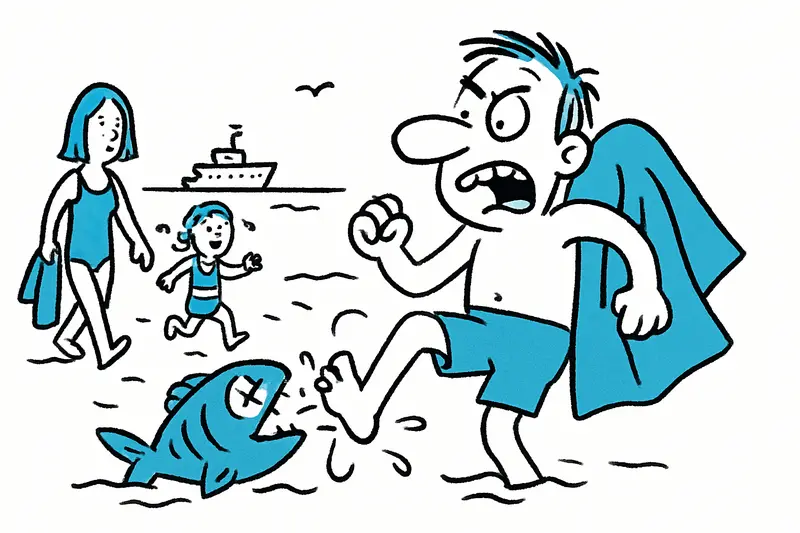
Warning to Bathers: Nipping Fish in Cala Major and Other Coves — a Reality Check
In Cala Major and several beaches around Mallorca, bathers report painful “nips”. Who are the animals, why are they gett...

Rental Car Theft in El Arenal: What This Incident Reveals About Our Gaps
A teenager steals a running rental car in El Arenal, flees on foot, climbs over walls and is caught by the Guardia Civil...

Red Rope in Palma's Library: What Helps Against Selfie Tourism — and What's Missing
Palma's city library cordoned off an area with a red rope to keep selfie tourism away from reading and working activitie...
More to explore
Discover more interesting content

Can Cap de Bou

Townhouse Lleo 72
