
Wide-Bore MRI and AI: Juaneda Shortens Examinations in Palma
Wide-Bore MRI and AI: Juaneda Shortens Examinations in Palma
The Juaneda clinic group has put three new MRI scanners with wider bores and AI-supported image processing into service in Palma. Shorter exams, sharper images — especially helpful for claustrophobic patients, those with obesity, and people with metal implants.
MRI with a Wide Bore and AI: Juaneda Shortens Examinations in Palma
More comfort, faster images, better diagnoses
In the morning there are often a few people already standing at the entrance of the clinic in Palma, a delivery van honks, and somewhere the coffee cups clink from the café across the street. In this everyday setting, the local Juaneda clinic group has now put three new magnetic resonance imaging scanners into operation — located across Juaneda Clínica and Hospital Juaneda Miramar in Palma. For more on what an MRI involves see RadiologyInfo: MRI overview and safety.
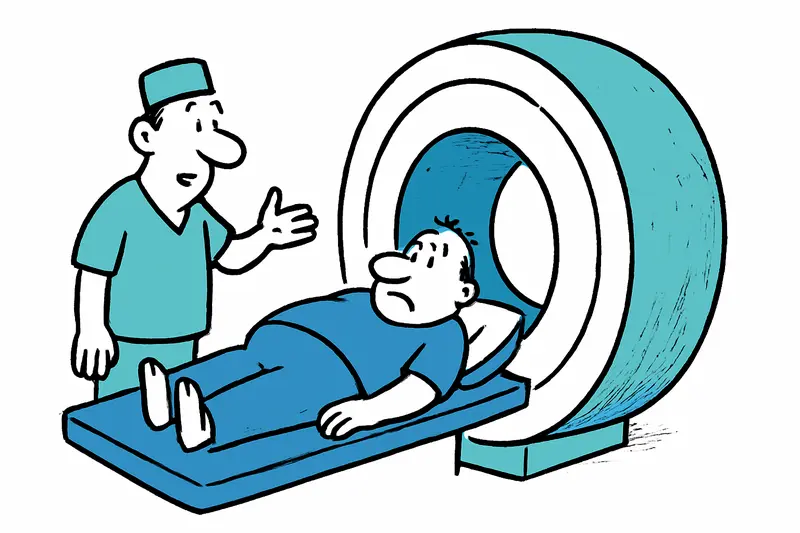
Why does this stand out? Because a narrow bore and long lying times are the biggest hurdle for many people. Anyone who comes to the examination with claustrophobia or is severely overweight knows the feeling: a racing heart instead of relaxation, sweat instead of calm. Larger openings reduce this stress. In practice, that means fewer canceled appointments and often shorter preparation times.
Another component is the artificial intelligence used — similar to the public discussion around local AI deployments described in When Palma's squares are watched: AI cameras, new jackets and the question of trust. The software helps shorten scanning time and sharpen the resulting images. Manufacturers describe how AI can accelerate scans and improve image quality, for example in product and technology overviews such as Siemens Healthineers: Magnetic Resonance Imaging. This is not a gimmick: images showing metal implants used to often suffer from disturbing artifacts. Thanks to the new technology, the images are cleaner, so physicians can see tumors or other abnormalities more clearly.
For Mallorca this has several positive aspects. The island not only has many residents but also a large number of older people and visitors who appreciate medical care close to where they live. If diagnoses can be made faster and more reliably, not every case needs to be referred to the mainland. That saves travel and time — and above all nerves for those affected. These efforts echo wider municipal investments in technology and security such as Palma steps up: More cameras, drones and the big question of privacy.
On a short walk through the waiting area you can see it: an older couple chatting relaxedly, a woman with a travel bag who is clearly on a business trip, and a young technician offering a few reassuring words to the patient before the MRI. Such small scenes show how much comfort matters in practice. The combination of a wide bore and AI can deliver exactly that: less fear, fewer repeat scans, better image quality.
Practical advice for patients: talk to your clinic about the new option if you worry you may not tolerate the bore. Be open about any metal implants — the technology improves results, but communication with the team remains important. If you have claustrophobia, you can often discuss sedation or ask about other options, such as a more open device or short breaks during the scan.
The new technology is also a signal for the island's healthcare: investments in modern diagnostics keep local medical care competitive and relieve other facilities. For patients this concretely means less travel, quicker reports, and an examination that feels more humane than the typical bore experience.
In the end, a small, optimistic outlook remains: when image quality increases and scan times decrease, physicians can act earlier. For families here in Mallorca that means not only medical security but also a bit more everyday life that is less dominated by waiting rooms. A progress that is visible in small moments — in the technician's smile, in a patient's relieved exhale, in the coffee you can finally drink in peace afterwards.
Frequently asked questions
What does a wide-bore MRI mean for patients in Mallorca?
Can AI make MRI scans faster and clearer in Palma?
Is an MRI in Mallorca easier for people with claustrophobia now?
Why is better MRI technology important for healthcare in Mallorca?
What should I tell the clinic before having an MRI in Palma?
How can MRI scans help detect tumors more clearly?
Can people with obesity have an MRI more comfortably in Mallorca?
What are the benefits of getting an MRI in Palma instead of traveling to the mainland?
Similar News

Nipping Sea Creatures: Why Bathers in Cala Major and Elsewhere Should Be Cautious
In Cala Major, bathers have reported being nipped by small fish. What is behind it, how can problems be avoided — and wh...

Forced eviction in Santa Catalina: When a 65-year-old slept in her car and showered on the beach — a question of responsibility
The story of Pilar López from Santa Catalina represents a problem affecting many Mallorcans: How can an island with a bo...

New traffic rules from October 1: What Mallorca visitors and locals need to know
From October 1, 2026, Spain will implement far-reaching changes to traffic regulations. Important for Mallorca: greater ...

More water than last year: Mallorca's reservoirs breathe easier
September rain refilled the Tramuntana's reserves: overall fill around 35 percent, Cúber at 40.42 percent, Gorg Blau at ...

Three Luxury Hotels in Banyalbufar: Lots of Money, Many Questions
A Danish investor plans three exclusive accommodations in Banyalbufar — including the historic Son Valentí. The announce...
More to explore
Discover more interesting content

Can Cap de Bou

Townhouse Lleo 72
