
Just before landing: Brawl on Ryanair plane — What does it say about flight safety?
Just before landing: Brawl on Ryanair plane — What does it say about flight safety?
A dispute over the toilet escalated on a flight to Ibiza. Question: Are rule enforcement and de-escalation on board still sufficient? A critical analysis with an everyday scene from Palma and concrete solution proposals.
Just before landing: Brawl on Ryanair plane — What does it say about flight safety?
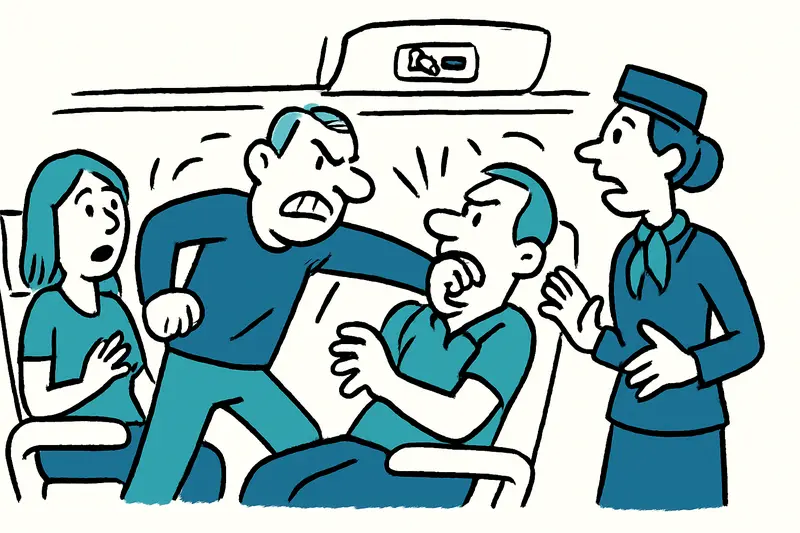
A man stood up even though the seatbelt sign was illuminated. That turned into a physical altercation that only ended after landing in Ibiza.
Key question: Why is the seatbelt sign no longer sufficient to guarantee order on board — and what must airlines, crew and authorities do differently?
The core of the incident is simple: A passenger wanted to use the toilet during the final approach even though the seatbelt sign was on, a situation reminiscent of Toilet malfunction on board: Ryanair flight returns and lands on Lanzarote.
Other travellers intervened, words were exchanged, then physical contact followed; the crew tried to mediate, but tensions remained high. On arrival the police in Ibiza were waiting and removed one person from the aircraft, an escalation not unlike cases described in When a Female Martial Artist Strikes On Board: Security Gaps We Must Not Overlook.
What stands out here: it's not just a single rule violation. In cramped cabins every impulsive action immediately matters. When a passenger stands up while the crew and the equipment — seatbelt signs, safety announcements, possibly lingering turbulence — signal a different expectation, that alone is enough to trigger many reactions: anger, fear, the urge to demand "proper" behaviour from others. A personal conflict can quickly become a public problem.
Critical analysis: Airlines rely on rules, announcements and the authority of the crew. But in reality these measures reach their limits. Some passengers do not know the rules or ignore them out of convenience. Others react aggressively when they feel publicly corrected by the majority. Crew members face a double burden: they must ensure safety and act as de-escalators — often without sufficient authority or training.
What is often missing in public debate: the everyday perspective from Mallorca. Whoever sits on the Paseo del Borne and watches air travellers sees people with luggage tags, families with babies, holidaymakers from the UK arriving late, and business travellers with urgency in their eyes. Many are exhausted or have been drinking; that increases the risk of conflict. Structural reasons are also rarely discussed: cramped seating, too few toilets on short-haul aircraft, the economics of low-cost airlines that push for quick turnarounds and low costs — all of this creates crowding and stress, as highlighted by incidents such as Carry-On Dispute at the Emergency Exit: Why a Loud Row Reveals More Than Bad Manners.
Everyday scene from Mallorca: Early in the morning in Palma, in front of the café at Plaça Major, two women discuss yesterday's landing to Ibiza. A taxi driver from Son Sant Joan airport nods: "Sometimes a single wrong word is enough and the mood flips." The airport announcements, the rattle of rolling suitcases, the smell of espresso — these small details show how sensitive the atmosphere between the gate and the cabin can be.
Concrete solutions:
1) De-escalation training for crew: More and regular practical training for cabin staff in conflict moderation, with simulated scenarios and psychological coaching.
2) Clear, multilingual announcements: Before the final approach, clear and friendly reminders about the need to remain seated — delivered in the most common languages on the route.
3) Protocols for incidents: Standardised procedures for when the crew should call the police, how witnesses are gathered and statements documented — so decisions are traceable and not left to improvised judgments.
4) Passenger information before flight: Short, concise notices at check-in or via the app on how to behave when the seatbelt sign is on — not as a moral lecture, but as practical safety advice.
5) Sanctions and prevention: Consistent enforcement of rules where legally possible; at the same time, low-threshold measures on board such as calling additional crew support instead of immediate escalation.
These proposals are no panacea. But they address where air travel and human behaviour meet: communication, training and clear procedures. No one expects every problem to be solved overnight, but better preparation reduces the risk that a single person standing up turns into a brawl.
Conclusion: A seatbelt sign is not just a light — it is a small promise to everyone on board that, in a sensitive moment, everyone shares the same plan. If this promise is taken seriously again — through clear communication, solid crew training and reasonable protocols — passengers and crew will regain a measure of safety. And in Palma, when Bus 1 leaves the airport for the city, people might again look out the window more calmly instead of nervously checking their phones to see if the next flight is delayed because of a fight.
Frequently asked questions
When is the best time to visit Mallorca for pleasant weather and fewer crowds?
Can you swim in Mallorca, and when is swimming most enjoyable?
What should I pack for a trip to Mallorca?
Getting around Mallorca: car vs. public transport
Which Mallorca beaches are family-friendly and easy to reach?
What outdoor activities are popular in Mallorca?
How does Mallorca's weather vary by season and what should I expect?
Are there practical tips for staying safe and respectful while visiting Mallorca?
Similar News
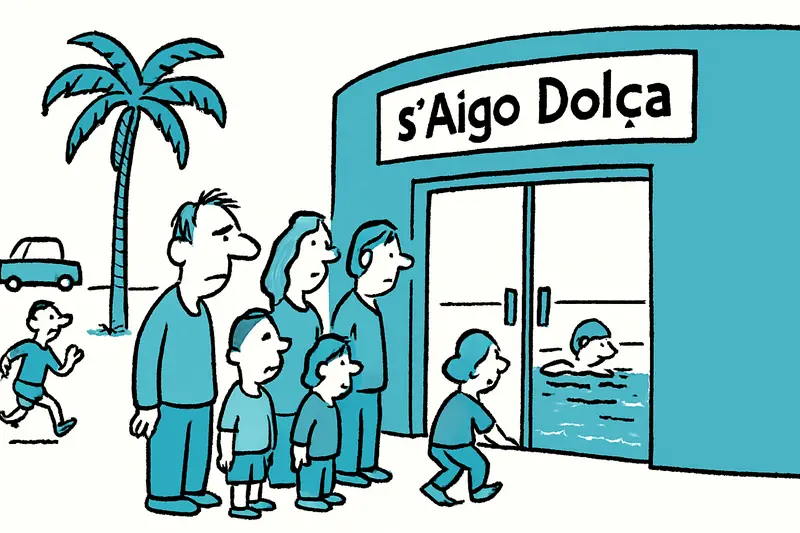
Open in the afternoons: New indoor pool "s'Aigo Dolça" brings life back to the Passeig Marítim
A new public indoor pool opened on the Passeig Marítim. 's'Aigo Dolça' offers two 6-lane pools, fitness rooms and aftern...
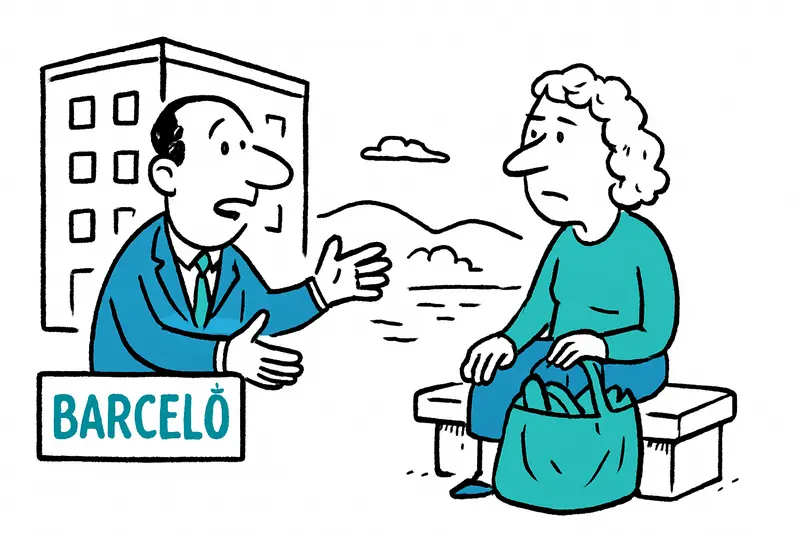
Barceló Takes Over Valparaíso Palace: A Reality Check for Palma
The pending sale of the Valparaíso Palace & Spa to Barceló raises hopes — and questions. What will the modernization mea...
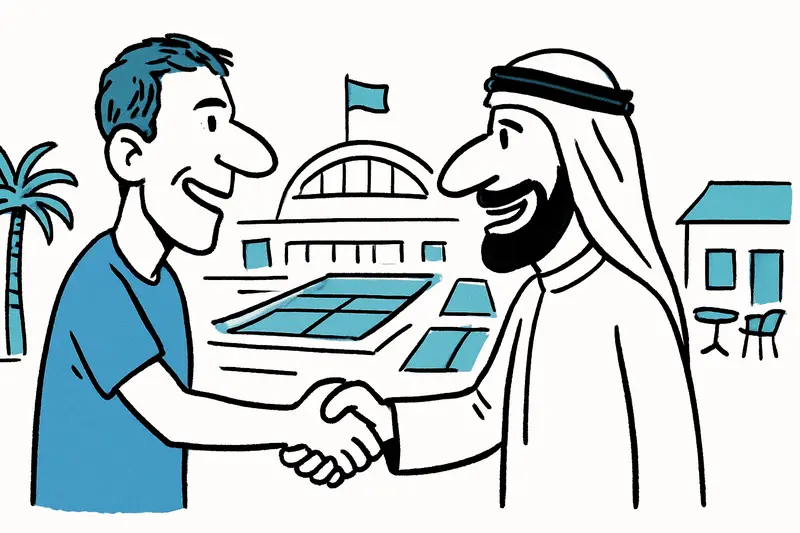
From Manacor to the Gulf: Nadal expands international network with new center in Bahrain
Rafael Nadal's academy opens its ninth tennis center on the Amwaj Islands in Bahrain. Six tennis courts, three padel cou...

Climate change prolongs mosquito season: Why Mallorca must not relax
Mild autumn temperatures and rain can extend the tiger mosquito season into December. A reality check: what's missing in...
Son Mayol in Establiments: Massive estate with winery for €34 million — what does it mean for the island?
Son Mayol, 97 hectares near Palma with a wine cellar, chapel and 25 hectares of vineyards is for sale for €34 million. A...
More to explore
Discover more interesting content

Can Cap de Bou

Townhouse Lleo 72
