
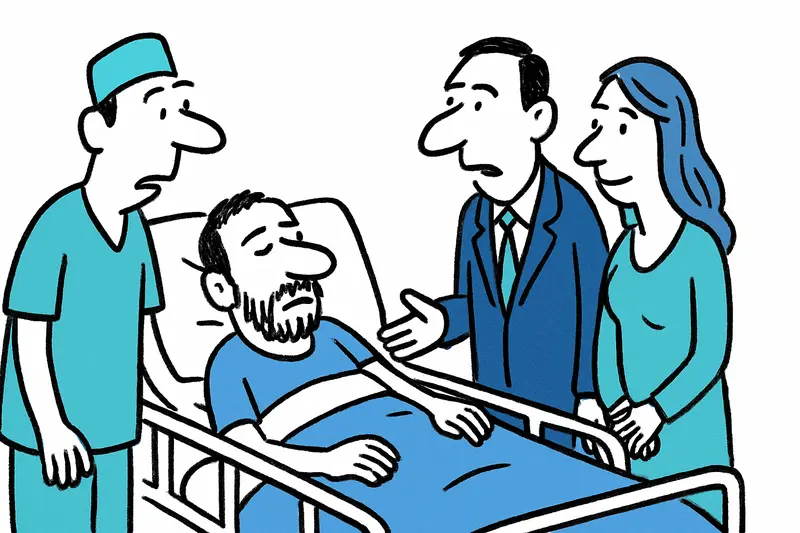
When the Royal Couple Visits the Hospital Room: A Wake-up Call for Mallorca’s Roads
The hospital visit by Felipe and Letizia for injured musician Jaume Anglada puts road safety in the spotlight. A royal moment must not remain a symbolic gesture — we need concrete measures for dangerous rural roads, rental drivers and night visibility.
A royal gesture — and the question that remains
At the weekend King Felipe VI and Queen Letizia stood not on a plaza but at the bedside of an injured musician. The images spread across the island: applause in the corridor, the soft hum of the air conditioning, seagulls crying outside, a distant church bell ringing somewhere. A dignified moment. And yet a simple question remains in the room: does a royal hospital visit change the daily risk on Mallorca's roads, or does it remain just a good photo?
What is often unheard behind the headline
The case involving Jaume Anglada after serious accident in Palma began with a classic pattern: a motorcycle, a narrow country road, a car that initially fled. The driver was caught — that is important, it shows functioning investigations. But on the island such scenes repeat themselves, as shown in Three serious accidents in one night. Tightly winding bends in the mountains, heat, tired holidaymakers, rental-car drivers who only know the island from a map, potholes, poorly visible edges at night. People talk about isolated cases. Rarely about the system behind them.
The royal visit has two sides: it is consolation and attention. It can create pressure. But it must not become a distraction while structural problems continue to grow: too few traffic police on country roads, patchy markings, missing reflectors, insufficient information for tourists renting motorcycles.
The quiet questions we should ask more often
Who drives here, how and why? How well prepared are rental-car customers when they want to drive from Palma to Deià at night? Do the sockets for hazard warning lights on the benches work? And very practically: when did we last re-measure the curves before Port des Canonge — and renew the warning signs? You hear such details in squares, between coffee and cigarette, yet they rarely make their way into decisions.
Less noticed are factors like artists' commutes: musicians, bartenders, bus drivers often drive at night under time pressure. When a voice disappears from the cityscape, it is quickly noticed. That is why road safety is also cultural preservation.
Concrete opportunities — what could happen now
A hospital visit can provide the necessary impulse. To turn attention into policy, here are concrete and implementable proposals:
1. Road checks for hotspots: prioritized inspections at known accident black spots. Immediate measures: reflectors, refurbishment of road markings, repair of verges and potholes. These measures are comparatively inexpensive and quick to implement.
2. Targeted controls & information: mobile speed controls during the high season, paired with information leaflets at car rental agencies and the airport. A short leaflet "How to drive safely in Mallorca" in several languages would prevent many mistakes.
3. Protection spaces for motorcyclists: wider verges at critical points, small escape bays before tight curves and additional posts with reflectors. Not every road needs to be widened — often targeted small interventions suffice.
4. Night islands and better lighting: at hotspots check whether dark sections can be equipped with solar-powered warning lights or additional posts. Small solar modules are often sufficient and low-maintenance.
5. Cooperation with the cultural scene and rental companies: musicians, pubs and festivals can spread messages — they know the people and they are listened to. Car and motorcycle rental companies must provide clear guidance and a short briefing. A pen, a leaflet, a short video before handing over are simple levers.
Why this is not just traffic work
On Mallorca music is part of everyday life: small gigs at the harbor, string sounds in bars, voices sitting together after a performance. When artists are lost, the cultural fabric suffers. Safety is therefore also care for everyday life, the nights and the places where we meet. A royal visit makes visible what many already suspected: that some risks are homegrown and can be reduced with smart, local measures.
What remains: the hope for Jaume's recovery, as reported in Jaime Anglada discharged from Son Espases, and an appeal to administration, police, rental companies and society: let's not just photograph the royal moment. Let's turn it into inspection reports, reflectors, information campaigns and real controls. If island life means looking out for each other, our roads should show that — not just on one day, but permanently.
Frequently asked questions
Why are Mallorca's country roads often seen as risky for drivers and motorcyclists?
What should I know before driving at night in Mallorca?
Are rental car drivers in Mallorca given enough guidance for local roads?
Does a high-profile visit, such as by the royal family, actually improve road safety in Mallorca?
What road safety improvements are being suggested for Mallorca's accident hotspots?
Why is road safety also seen as a cultural issue in Mallorca?
Is Son Espases hospital often mentioned in serious accident cases in Mallorca?
What can Mallorca do to help tourists drive more safely on the island?
Similar News
Dog caught on MA-19 near Llucmajor — Police take animal into custody
A large, unmarked dog was roaming the MA-19 near Llucmajor on Sunday morning. Motorcycle units of the Policía Local clos...
Holiday in Mallorca: Where you can still shop on Monday, October 12
The Spanish National Day on Monday, October 12: many shops remain closed, but some supermarket branches and outlet store...
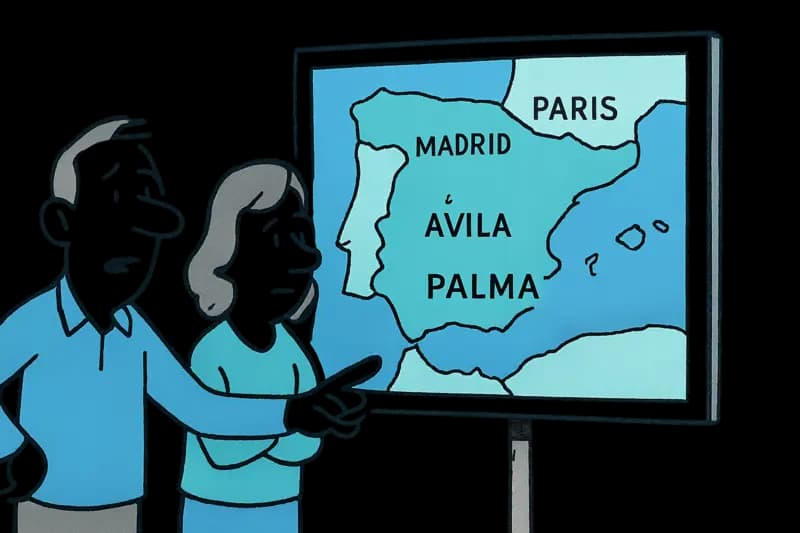
Advertising poster relocates Palma to the mainland - what the mistake says about us
An advertising poster for flights from Andorra shows Palma on the Spanish mainland. Why such an error occurs, what is mi...
Who Protects Valldemossa's Charterhouse? A Construction Site That Leaves More Questions Than It Opens
Two new entrances in the Claustre de les Murteres have pitted the administration against the opposition. Who authorized ...
Between Runway and Keel: How Boatbuilding Lives in Son Bonet, Mallorca
In the small Son Bonet airport, craftsmen preserve the island's boatbuilding tradition: restoration work, woodworking gu...
More to explore
Discover more interesting content

Can Cap de Bou

Townhouse Lleo 72
