
Arrest in Manacor: When Landlords Turn Electricity and Water into Weapons
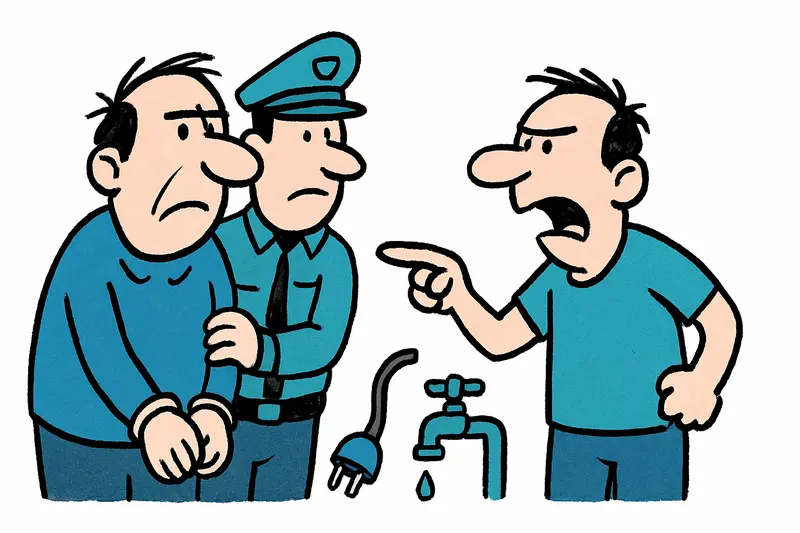
In Manacor a landlord was arrested: a tenant is said to have been kept without electricity and water for three days and threatened. Why isn't protection enough?
Arrest in Manacor: When Landlords Turn Electricity and Water into Weapons
On a rain‑soaked morning in Manacor’s old town, while church bells still echoed and delivery vans rolled over wet cobblestones, the National Police intervened: a 50‑year‑old man was arrested after allegedly cutting off a tenant’s electricity and water for three days and making severe threats. The neighborhood is in shock; the question on the narrow streets now is: how could it come to this?
The key question: systemic failure or an isolated case?
At first glance the case seems brutally straightforward: threats, cut‑off utilities, a desperate tenant who eventually filed a complaint. But a closer look reveals deeper traces. Was a single individual simply driven to violence, or do gaps exist in the oversight and tenant protection system in Mallorca? In many conversations among neighbors words like “fear” and “shame” came up — signs that victims often stay silent for a long time out of fear of retaliation.
The investigations by the National Police uncover more than personal threats: according to reports there had already been warnings against the accused, as reported in Manacor: Chain, Coercion and House Handover – How Long Did This Remain Hidden?. He allegedly rented out rooms unfit for habitation and is said to have sold butane gas without adequate safety measures. Both are not merely administrative offenses: dangerous gas cylinders in an old apartment building are a risk to all residents and to the fire brigade.
What is often missing from the public debate
Media attention focuses on the arrest — understandable, because that is the dramatic element, as covered in Manacor: Threats and Utility Shutoffs — How Unprotected Tenants Were Left Beside the Racetrack. Less discussed is how precarious rental situations arise: vacant buildings, tourism‑driven pressure on housing prices, and a shadow market for “cheap” accommodation, as highlighted by similar cases such as Molinar in Turmoil: When a Rent Dispute Turns Violent — What Does This Say About Mallorca's Housing Shortage?, all play a role. Language barriers, lack of knowledge about rights, and fear of high moving costs also keep people silent.
In several conversations residents said they had long heard of “strange” rentals: rooms registered as flats, unsafe electrical installations, improvised gas systems. When authority capacities are limited, it takes time to investigate such reports. In the meantime the risk remains.
Concrete consequences — and why they are not enough
The arrest is an important step; criminal investigations will clarify responsibilities. But at the administrative level more is needed: quick emergency measures so that those affected do not end up on the street during the investigation. In Manacor social services have already offered support, neighbors are posting information about legal advice, and the municipality is considering potential fines.
However, the tenants’ everyday problems remain: who pays for an urgent move, who checks defective gas cylinders, and how can unregistered living units be detected preventively? These questions show that repressive action is important but not sufficient on its own.
Concrete proposals — what would help now
From the sounds of the street, from conversations in the café at the Plaça, and from the experience of social organizations, practical steps can be derived:
1. Rapid emergency hotline for tenants: a 24‑hour hotline that arranges technical immediate assistance (e.g., electricians, gas specialists) and coordinates short‑term accommodation solutions.
2. Mobile inspections for dangerous installations: regular, unannounced checks in old town districts, combined with fines and mandatory corrections.
3. Public register for landlords: a small step with big impact: a registry where landlords must register would ease tracing and increase transparency.
4. Expand local legal advice: pro bono services that explain tenants’ rights in Spanish and other languages, so people can assert their rights without fearing for their livelihood.
5. Cooperation with waste services and fire brigades: stricter controls on the sale and storage of butane cylinders — in tight courtyards, a single careless act can be catastrophic.
A look at the neighborhood: hope and mistrust
There is currently a strange mix of fear and solidarity in Manacor. Elderly women strolling to the market stop to ask if everything is all right. Young people speak quietly in doorways. The neighborhood group that spontaneously organized support shows: community works — but it is not a permanent solution for structural problems.
The most important lesson from this case is simple and bitter: no home must become a means of pressure. If the supply network is used as a threat, politics and administration must act faster, clearer and be more present. For Manacor this means not just an arrest, but a push to seriously enforce the rules for safe living — before isolated incidents become a wider pattern.
Frequently asked questions
Can a landlord in Mallorca legally cut off electricity or water to pressure a tenant?
What should tenants in Mallorca do if their landlord threatens them?
Are unsafe rental rooms and improvised gas installations a problem in Mallorca?
Why do some tenants in Mallorca stay silent about bad housing conditions?
What support is available for tenants in Manacor after a housing dispute?
Is Manacor seeing more cases linked to housing pressure in Mallorca?
How can Mallorca authorities detect unsafe or unregistered rental units?
What are the signs that a rental in Mallorca may be unsafe?
Similar News
After Being Admitted to Hospital Again: Heinz Hoenig and the Questions We Should Ask in Mallorca
Long-time Mallorca resident Heinz Hoenig was admitted to hospital again. A clear “what next?” is missing from the covera...
Yellow Alert: Is Mallorca Prepared for the Next Rain Band?
Aemet has issued a yellow alert for the south, southwest and the island's interior. Thunderstorms and heavy rain are for...
Kegel brothers trial postponed: Why Mallorca must wait for a verdict
The trial of 13 German holidaymakers will not begin until May 2028. The long wait raises questions — for victims, defend...
Chaos on Palma's Runway: Why the Summer at the Airport Was So Disrupted
This summer laid bare where Palma airport is faltering: only just over half of departures were on time and seven percent...
Cocaine Offer on Ham Street: Why the Open Trade Should Ring Alarm Bells
In the middle of Pare Bartomeu Salvà a tourist was offered a packet of cocaine as part of a sunglasses deal. A short int...
More to explore
Discover more interesting content

Can Cap de Bou

Townhouse Lleo 72
