
Why Living on the Balearic Islands Will Be Noticeably More Expensive in 2026 — A Reality Check
Why Living on the Balearic Islands Will Be Noticeably More Expensive in 2026 — A Reality Check
New calculations show: Households on the Balearic Islands are paying significantly more for the essentials. Who pays the price — a critical look with an everyday scene and concrete proposals.
Why Living on the Balearic Islands Will Be Noticeably More Expensive in 2026 — A Reality Check
Key question
How can families and people who work here cope with rising basic expenses if the islands are well above the Spanish average in 2026?
Critical analysis
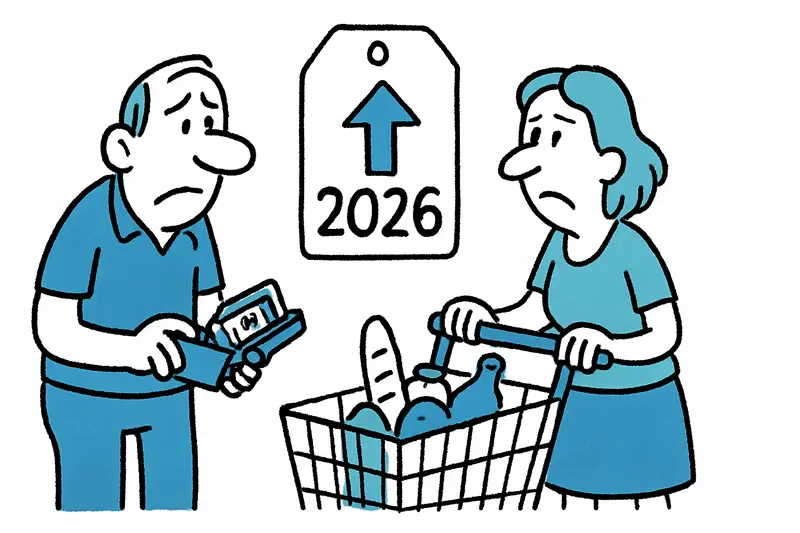
The figures are clear: for 2026 average basic expenses per household are estimated at around €33,384. This aligns with forecasts in Payday 2026: Why Many Renters in Mallorca Have Reason to Be Afraid. That's about €12,000 more than the national average and an increase of almost €3,900 compared with the previous year — roughly 13 percent more. Only a few regions of Spain, namely Gipuzkoa and the major cities Madrid and Barcelona, are still higher. On Mallorca, Menorca and Ibiza the biggest share is rent; followed by what families spend in the supermarket, a point examined in Why Food Is So Much More Expensive in the Balearic Islands — A Reality Check.
What these sums reveal: the island economy remains strongly oriented towards tourism and external demand. When flats primarily function as investment objects and short-term rentals, this shifts the price structure to the detriment of those who live and work locally. Greater demand for holiday accommodation pushes up long-term rents, a dynamic discussed in Balearic Islands: Rents to rise by an average of €400 in 2026 — who will pay the bill?. At the same time, higher food prices hit households — every checkout clerk and every tradesperson feels it.
What is often missing in the public discourse
Conversations often revolve around buzzwords — 'prices are rising', 'housing is becoming scarce' — but rarely about the concrete mechanisms that affect people in everyday life. Two levels are missing: first, visibility for those who need two to three jobs to make ends meet; second, a debate about how properties are used. Short-term rentals and speculation are often only mentioned in passing, not linked to a family's daily grocery bill in Santanyí or Palma, as analysed in Rising Cost of Living in Mallorca: Who Pays the Price?.
An everyday scene from Palma
Early in the morning at the Mercat de l'Olivar: an older couple stands with a bag of mandarins, the radio in the corner behind them, young waiters carrying coffee pots past. 'The fish was cheaper yesterday,' the woman says, 'but the rent swallows everything.' Most tables fill with people grabbing a quick breakfast on their way to work — waitresses, bus drivers, cleaning staff. Many of them know their monthly accounts down to the cent. If basic expenses continue to rise, these people will remain caught between what they earn and what they need to live.
Concrete solutions
Those who do not just want to complain need measures that provide short-term relief and dampen prices in the long term. First steps could include: more subsidised housing targeted at workers and families; clear limits on short-term rentals in neighbourhoods with housing shortages; municipal pre-emptive purchase rights for land to limit speculative buys; support for local food cooperatives and weekly markets to lower shopping costs; energy-saving programs for households that permanently reduce heating and electricity bills. Practically this means faster approval processes for social housing, stricter rules for converting rental apartments into holiday lets, and a binding action plan to promote cooperative housing.
It is important that measures work together. More social housing alone helps little if rent policy continues to be driven by short-term returns. Conversely, regulating holiday rentals is of limited use if no replacement housing is built for local demand.
What politicians and administrations could do differently
Transparency would be a start: regular, detailed data on rental contracts, vacancies and changes of use. Municipalities should check whether they have sufficient instruments at their disposal — from tax incentives for long-term rentals to sanctions for illegal short-term letting. Regional cooperation between island councils and municipalities is also necessary; a patchwork of rules only creates loopholes for investors.
Why the issue concerns Mallorca
The islands live off their appeal: sun, beaches, good food. At the same time, that attractiveness creates pressure on the local population. If basic needs like housing and shopping become too expensive for those who work here, the island loses its social base: craft businesses close, schools have fewer children, neighbourhoods change. In the short term many things may look fine — full beaches, busy cafés — but the risk is a gradual loss of everyday livability.
Pointed conclusion
The math is simple: rising basic expenses of several thousand euros hit people on tight budgets first. If Mallorca is to remain more than a backdrop for tourists in the long term, locally living people must be protected — not just with attractive promises, but with concrete housing offers, clear rules for holiday rentals and measures that lower daily costs. Otherwise the island will not only pay higher sums — it will gradually lose what makes it worth living in.
Frequently asked questions
Why is it becoming more expensive to live in Mallorca in 2026?
What are the biggest monthly expenses for families in the Balearic Islands?
How much more expensive are basic household costs in the Balearic Islands than in Spain overall?
Why do short-term rentals push up rents in Mallorca?
What can Mallorca families do if everyday costs keep rising?
Is food really more expensive in Mallorca than on the mainland?
What is daily life like for workers in Palma as costs rise?
What kinds of housing policies could help Mallorca residents?
Similar News

Cap Vermell Grand: Second Michelin Key – a Gift for the East
The Cap Vermell Grand in Capdepera has been awarded its second Michelin key. For the region this elevates the luxury off...

Eurowings lets four aircraft carry names – a friendly idea that also reaches Mallorca
Eurowings is launching a campaign: four Airbus A320s are to carry the first names of people who help others in everyday ...

From the Reality Studio to the Pitch: Aleks Petrovic Makes Mallorca His Base
The former participant in numerous TV shows moves from Dubai to the island and launches a project with FC Germania Mallo...

When the Phone Falls Silent: Concern for Sarah Joelle in Mallorca — and What It Reveals
After days without a response, the TV personality's unreachability in Mallorca sparked concern. Shortly afterwards an al...

Ultraluxury on the Ground: Four Seasons Jet in Palma — a Reality Check for Formentor and the Island
A high-priced flight crosses Mallorca and its guests stay for days at the Formentor resort. What does the island get bes...
More to explore
Discover more interesting content

Can Cap de Bou

Townhouse Lleo 72
