
What will become of the old Lluís Sitjar? A reality check on the new sports complex in Palma
What will become of the old Lluís Sitjar? A reality check on the new sports complex in Palma
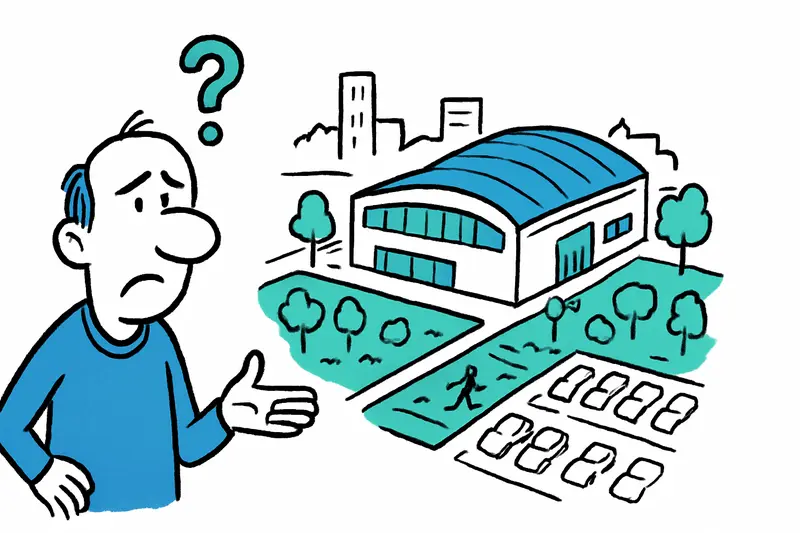
The city of Palma plans a sports hall for 2,500 people, 32,500 m² of green space and over 650 parking spaces on the site of the old Lluís Sitjar stadium. Key question: Does this project fit the city — or is more missing than just a design?
What will become of the old Lluís Sitjar? A reality check on the new sports complex in Palma
Guiding question: Will the promised multipurpose area at Lluís Sitjar really be a gain for the neighborhood — or end up as an expensive building with lots of concrete and parking problems?
The facts are brief and concrete: Palma has launched an international architecture competition for the site of the old Luis Sitjar: Palma plans sports, housing and more green. Planned is a hall for up to 2,500 spectators, around 32,500 square meters of green space, more than 650 parking spaces and a use that should combine sport and culture (concerts). The winning design should be chosen by the end of the year; construction could start at the earliest in late 2027 or early 2028; about 44 million euros are estimated.
At first glance: an ambitious package. At second glance, however, questions arise that had little room in the quick announcement. Who pays the follow-up costs? How does a large parking provision reconcile with the city's goal of reducing traffic? What traffic and noise protection concepts are planned when the hall is full during concerts? And how will the large green area actually be designed — as an ecologically meaningful park or as lawn with little biodiversity?
A look at everyday life: In the late afternoon people stroll along the fences of the old stadium — parents with prams, elderly women. A delivery van often parks in the no-parking zone, teenagers kick an old ball — the mood is relaxed, but the space feels underused. Exactly this everyday use must not be set against an ambitious large-scale project. The neighborhood does not want a construction site that lasts for years, nor a venue that causes regular traffic collapse.
A critical comparison of the main points:
Financing and operation: The 44 million euros are a starting figure, not a balance sheet. Operating costs, cleaning, security at major events and long-term maintenance must appear in the municipal budget. Without a clear operating model, the budget risks having to shoulder additional costs every year.
Traffic and parking: Over 650 parking spaces sound like a concession to car drivers. That may attract visitors in the short term — but in the long term it could undermine the goal of calming downtown traffic, as local reporting such as Palma plans 131 parking spaces shows. When concerts take place at night, taxis, buses and delivery traffic must also be coordinated.
Usage conflicts: Sport, culture and neighborhood needs are not automatically compatible. The role of the hall as a cultural venue requires special acoustic and noise protection measures as well as flexible schedules so that residents do not have to endure hours of noise.
Ecology: 32,500 m² of green space is an opportunity for urban biodiversity — but only if the planning focuses on native species, rainwater management and climate-friendly soils, and not just creates lawns that need watering in summer.
What is missing in the public discourse: Transparency about cost consequences and operating models; binding traffic and noise protection concepts; details on the ecological design of green areas; participation of residents and clubs in early planning phases. Public debates so far have mainly revolved around size and capacity — not enough about everyday usability.
Concrete solution approaches: 1) A phased financing model: core investment public, operation by a public operator with revenue sharing from organizers; transparency through annual reports. 2) Mobility concept before construction: night bus lines for concerts, temporary bike parking facilities, park-and-ride outside dense neighborhoods, clear delivery zones. 3) Noise limits and time windows: binding quiet hours, acoustic planning with sound-absorbing facades and green buffer zones. 4) Green spaces as climate infrastructure: cisterns for rainwater, large native trees instead of lawns, wildflower islands to promote insects. 5) Usage participation: a round table with sports clubs, cultural organizers and neighborhood representatives already during design evaluation.
Such measures would not prevent construction; they would make it practicable. The sheer number of parking spaces must not serve as a substitute for an integrated mobility concept. And the green area must do more than look nice — it must have an urban climate function.
Conclusion: The project at Lluís Sitjar has potential, but it is not a self-runner. The city now has the opportunity not just to commission a building, but to create a place that brings sport, culture and neighborhood together vibrantly. For that, more is needed than a winning design by the end of the year: binding, publicly accountable agreements on operation, traffic and ecology — and real participation by the people who pass the fence every day.
Frequently asked questions
What is planned for the old Lluís Sitjar stadium in Palma?
When could construction at Lluís Sitjar in Palma start?
How much will the new Lluís Sitjar complex in Palma cost?
Will the new Lluís Sitjar project create traffic problems in Palma?
How will the green areas at Lluís Sitjar be used in Palma?
Could the new hall at Lluís Sitjar also be used for concerts?
Why are residents near Lluís Sitjar in Palma paying close attention to the project?
What makes the Lluís Sitjar project different from a simple sports hall in Palma?
Similar News

When the Wallet Becomes a Danger: Attack in Peguera and Lessons for Mallorca
In Peguera, two women are said to have stolen the wallet from a 75-year-old German couple. When the victim intervened, t...
Plata stays Plata: Young people take over, Llonguets remain
A small bar on Carrer de l'Argenteria will continue: Tolo Serra hands the place over to young Mallorcans at the end of t...

Unnoticed in the Luggage Compartment: How a Boy Traveled More Than 100 Kilometers in a Team Bus
A minor traveled in the undercarriage of a team bus for more than 100 kilometers until his cries for help were heard. A ...

Cap Vermell Grand: Second Michelin Key – a Gift for the East
The Cap Vermell Grand in Capdepera has been awarded its second Michelin key. For the region this elevates the luxury off...

Eurowings lets four aircraft carry names – a friendly idea that also reaches Mallorca
Eurowings is launching a campaign: four Airbus A320s are to carry the first names of people who help others in everyday ...
More to explore
Discover more interesting content

Can Cap de Bou

Townhouse Lleo 72
