
Luis Sitjar: Palma plans sports, housing and more green — but is it enough?
Palma wants to reorganize the overgrown Luis Sitjar site in Es Fortí: sports halls, affordable housing and a park with over 40 trees. But are the announcements enough to prevent displacement, construction chaos and maintenance problems?
Finally movement on the Luis Sitjar site – but the guiding question remains
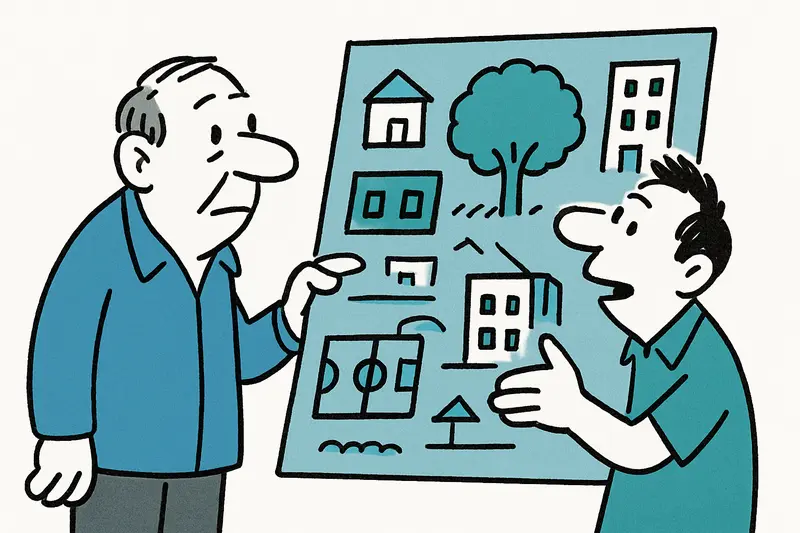
Early morning on the Plaça of Es Fortí: the coffee machine at the kiosk hums, three older women discuss the heat, and behind the rusty fence of the old Luis Sitjar stadium sparrows chirp, as if to say: nothing has happened here for a long time. Now Palma has Mallorca Magic report on the Luis Sitjar redesign – a sports hall, training areas, more affordable housing, a care center and a park with more than 40 trees. Sounds good. But the central question remains: are these announcements enough for the neighborhood to be a long‑term winner rather than a loser?
What is welcome – and where it falters
The plan contains real promises: halls for the local clubs, outdoor areas for basketball and football, and elements for housing that does not immediately head toward holiday rentals. Preserving the entrance gate and remaining stadium walls is not only aesthetic, it gives Es Fortí identity. But between what looks good on paper and everyday life there are often construction trailers, lorry noise and half‑finished hopes.
Who defines “affordable”? The word is often used like a soothing pill. But without concrete rent or purchase caps, occupancy rules and minimum usage periods for social housing it remains vague. And who will monitor that supposedly affordable flats do not become profitable holiday apartments in a few years?
Traffic and construction sites: narrow streets, big problems
Es Fortí is tightly interwoven: narrow streets, cafés, small shops. A young father on the Plaça put it succinctly: "Construction noise is one thing. But where are the cars supposed to go?" More housing potentially means more cars, delivery trips and parking pressure – especially relevant in hot years with few shaded spots. The administration talks about parking spaces, but concrete plans are missing. Without clear traffic management, daytime construction chaos and nighttime parking shortages threaten. This risk is heightened as the city pursues large housing projects elsewhere, as shown in an analysis of Palma's plan to build 3,500 homes in Son Güells and Son Puigdorfila.
Missing rules for construction logistics are a typical but avoidable problem: no delivery time windows, no fixed lorry routes, no temporary parking areas for tradespeople. The result: annoyed residents, blocked streets and delayed construction times. Such details are not ornamental – they determine whether everyday life remains bearable.
More green – yes please. But planned sustainably
The proposal to plant more than 40 trees is a bright spot. Shade, evaporative cooling and a few shady benches are worth gold in Mallorca's summers. But trees need more than a planting day: substrate, a maintenance structure, irrigation. Water is not a given here. Which species will be chosen? Will drought‑resistant, native plants be preferred? Is there FAO guidance on urban forestry and green infrastructure such as rainwater retention or permeable surfaces to prevent soil drying?
Without a binding maintenance concept, the most beautiful park risks being abandoned after a few years: stunted young trees, broken benches, litter. A realistic maintenance budget, annual inspections and sponsorship programs with schools or clubs must be in place from the start.
The stadium's legacy: identity instead of folklore
The decision to preserve historical elements is the right one. It can create identity and make local memory visible. Even better would be to actively connect this place: information panels, small school projects, a corner for club chronicles or even a temporary exhibition space. This way history is not only preserved but lived.
How the blockages fell – and which traps remain
Years of stagnation were due to fragmented ownership – hundreds of plots that paralysed decisions. According to the town hall these obstacles have been cleared and tenders are now possible. That is an opportunity. But beware: a consolidated site can also become a backdoor for non‑transparent deals. TED (Tenders Electronic Daily) public procurement database, public procurement procedures, transparent contracts and an open online register would not be luxuries here but protective mechanisms.
Four concrete demands to the city
Instead of vague promises Es Fortí needs a tangible roadmap. Proposals that could be implemented immediately:
1. Concrete price controls: binding rent caps, occupancy and reporting obligations as well as sanctions for conversion into holiday rentals.
2. Phasing plan with traffic and noise protection: clearly structured construction phases, time‑limited delivery windows, designated lorry routes and temporary parking areas for residents and tradespeople.
3. Sustainable green and water management: rainwater retention, permeable surfaces, selection of drought‑resistant native tree species, an annual maintenance budget and sponsorship models.
4. Citizen participation and transparency: regular meetings on the Plaça, a public online portal with plans and tenders and an advisory board with residents, clubs and experts.
Conclusion: Applause for the initiative – but eyes open on implementation
The project can upgrade Es Fortí: more sports offers, additional housing and shady trees would be tangible gains. But without clear rules displacement, construction chaos and a park that only stays green for a short time are risks. The legal hurdles appear to have fallen – now Palma faces the harder task: transparent planning, binding commitments and honest compromises with the people who drink their coffee here every morning, endure the heat and look at the sparrows behind the fence.
I will stay on it, listen and review the visualizations as soon as they appear. Applause for the initiative – but the eyes should not only applaud, they should look closely.
Frequently asked questions
What is planned for the former Luis Sitjar site in Palma?
Will the new housing at Luis Sitjar in Palma really be affordable?
How will the Luis Sitjar redevelopment affect traffic and parking in Es Fortí?
How many trees are planned for the new green area at Luis Sitjar?
Why is the Luis Sitjar site important for Es Fortí in Palma?
What are the main risks of redeveloping Luis Sitjar in Palma?
What will happen to the historic parts of the old Luis Sitjar stadium?
How can residents follow the Luis Sitjar project in Palma?
Similar News

Maribel: Five Decades of Service – Housekeeper from Peguera Celebrated with a Special Honor
Over 50 years in the hotel business: María Isabel “Maribel” Molinos was honored in Palma at the Nit del Turisme by Unive...

Orange Alert over Parts of Mallorca: Are We Prepared?
Dark clouds and an announced wet spell have triggered an Orange alert in parts of Mallorca. A reality check: what's miss...

Sundair & Co.: Sale speculation and what it could mean for Mallorca
Rumors about a possible sale of the airlines Sundair and Fly Air 41, which belong to Schauinsland-Reisen — and whether b...
Anne Wünsche in Mallorca: A job offer with a catch — who fits the role of personal assistant?
Influencer Anne Wünsche has left Berlin and is urgently looking for a full-time personal assistant in Mallorca. Why the ...

Daily from New York: Palma Between Boom and Strain
United will increase the Newark–Palma route to daily flights in 2027 using Boeing aircraft (231 seats). What does the in...
More to explore
Discover more interesting content

Can Cap de Bou

Townhouse Lleo 72
