
Local police to ride in Palma's buses – protection or theater?
Local police to ride in Palma's buses – protection or theater?
The city of Palma plans to place local police officers on EMT buses — sometimes in uniform, sometimes plainclothes. A simple measure, but is it enough?
Local police to ride in Palma's buses – protection or theater?
Key question: Can increased police presence on EMT buses bring real safety, or does it mask structural gaps in local public transport?
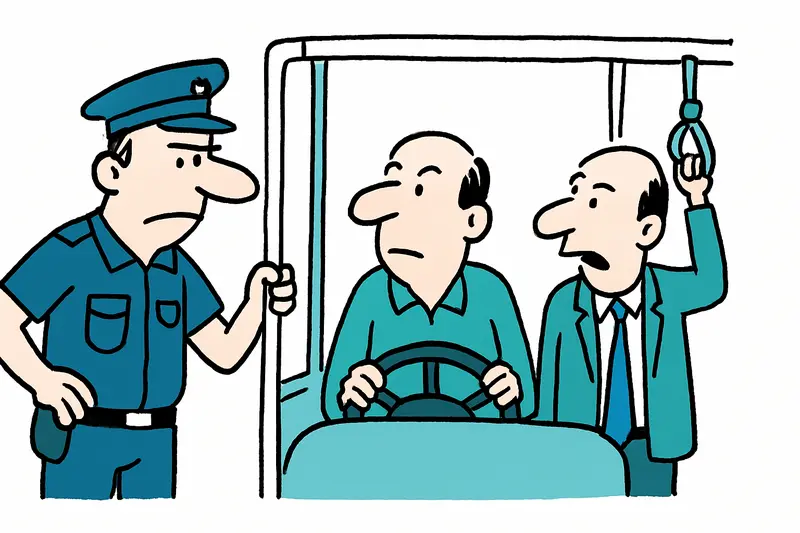
On a gray morning at Plaça d'Espanya an elderly woman with shopping bags boards the bus. Children press around the stop, a tourist pulls a suitcase behind him, and the driver takes a brief breath before starting. It is precisely in these everyday moments that the city now wants to send along local police officers — sometimes in uniform, sometimes in plainclothes, on selected lines and at certain times.
The intention is clear: to deter minor crimes and create a sense of security, as the Palma's Budget 2026: More Police, E‑Buses — But Is That Enough for the City of Tomorrow? outlines.
So-called citizen agents are also to provide information about municipal rules and ensure compliance. At first glance this sounds like pragmatic action: officers where people are.
But the mere presence of police on buses is not a cure-all. Without transparent success criteria it remains unclear how the measure should be evaluated. Does it combat pickpocketing, vandalism, or inconsiderate behavior — and how is that measured? If data on the frequency of incidents on trains and buses are lacking, the measure is likely to be perceived more as a symbol than as a solution.
Another open question is the mix of uniformed and plainclothes personnel. Plainclothes officers can sometimes observe certain offenses better, but covert checks also raise legal and trust issues, particularly given plans to increase staffing, as reported in Palma gears up: 170 new police officers for Playa de Palma – solution or placebo?. Who monitors the checks? And how are passenger complaints documented and evaluated, especially given recent strains within the force reported in Palma's local police threaten protests — officers' patience has run out?
What has been largely missing from public debate so far are the causes of minor crimes and conflicts in public transport. Are poorly lit stops like the one on Avinguda Jaume III at night to blame, overcrowded lines at rush hour, or a lack of social infrastructure? Measures that rely solely on presence leave these questions unanswered.
Concrete solutions that go beyond simply riding along could look like this: clear evaluation criteria (measuring incidents before and after introduction), better lighting and maintenance of stops, stronger cooperation between EMT and social services, visible complaint and reporting channels on the bus itself, and training for deployment personnel in de-escalation and intercultural sensitivity. Regular public reporting on deployments and results would also create transparency.
An everyday example: if alcohol-related problems occur repeatedly at a stop on Passeig Mallorca in the evening, a mix of preventive urban policies, education by citizen agents, and professional social support often helps more than short-term police presence, as discussed in Palma Tightens Controls: More Security — or a New Punitive Culture?. In other places, such as in the case of acute pickpocketing at Estació Intermodal, a coordinated operation using intelligence and visible presence can quickly be effective, similar to an incident covered in Old Town Alarm in Palma: Three Off-Duty Police Stop Handbag Robbery — Time for a Security Check?.
Shaping public opinion remains a matter of finding the balance between visible security and long-term solutions. The city should use the rollout to publish accompanying data openly, make complaint channels easily accessible, and limit pilot phases in time with evaluation clauses. Otherwise the measure risks being an alibi: police sit on the bus, but the deeper problems remain.
Conclusion: More officers on buses can create a tangible sense of security — if they are part of a larger, measurable plan. Without clear goals, transparency and complementary social measures, there is a danger that Palma merely applies a patch where the pavement is cracked instead of repairing the cracks.
Frequently asked questions
What is the best time of year to visit Mallorca for warm weather?
Is Mallorca warm enough to swim in the sea all year round?
What should I pack for a trip to Mallorca?
Can you visit Mallorca in winter?
Is Palma de Mallorca good for a weekend break?
What is Pollença like for visitors to Mallorca?
Is Sóller a good base for exploring Mallorca?
What kind of weather can I expect in Mallorca in spring?
Similar News

Rental Car Theft in El Arenal: What This Incident Reveals About Our Gaps
A teenager steals a running rental car in El Arenal, flees on foot, climbs over walls and is caught by the Guardia Civil...

Red Rope in Palma's Library: What Helps Against Selfie Tourism — and What's Missing
Palma's city library cordoned off an area with a red rope to keep selfie tourism away from reading and working activitie...
Fort San Carlos: Museum, Harbor Dispute — and a Conflict That Demands Answers
The military museum at Fort San Carlos sits right on Palma's harbor, with unexpectedly quiet rooms filled with cannons a...
Old Town Under Pressure: When a Doorway Becomes a Sleeping and Shower Place
For months a woman has been living with a parasol, a clothes rack and personal belongings next to the social welfare off...
When Shopping Weighs Heavier: Mallorca Demands a Tax Pause on Food and Fuel
Rising prices are putting pressure on households and agriculture. The Balearic Islands are calling for temporary tax rel...
More to explore
Discover more interesting content

Can Cap de Bou

Townhouse Lleo 72
