
Strike at Lufthansa: Why Mallorca Returnees Should Be Especially Worried on Friday
Strike at Lufthansa: Why Mallorca Returnees Should Be Especially Worried on Friday
A full-day walkout by cabin crew on April 10 mainly affects flights between Frankfurt/Munich and Palma. What travelers should know and do.
Strike at Lufthansa: Why Mallorca Returnees Should Be Especially Worried on Friday
Key question: How prepared are holidaymakers and the island if the hubs of German airlines go on strike?
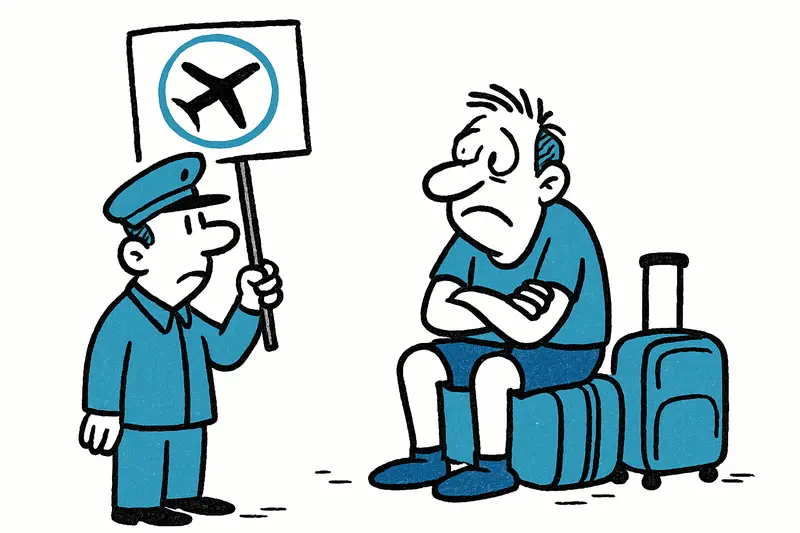
On Friday, April 10, the UFO union is calling Lufthansa cabin crew to a full-day strike. The action is announced from 1 a.m. to 10 p.m. and, according to the union, affects departures at the hubs Frankfurt and Munich. For Mallorca this means: a large number of scheduled return flights are at risk.
The sober calculation is: if a hub slows down, many connections collapse, not just direct flights, as recent reports such as Strikes at Palma Airport: Why the Weekend Chaos Could Last Longer This Time explain.
Who is affected exactly: The strike targets Lufthansa and its regional subsidiary CityLine. The low-cost brand Eurowings is not part of the action and therefore continues to fly normally. However, previous disruptions such as the Ryanair Strike in Mallorca: Who Pays the Price — and What Travelers Should Do Now have shown that ground staff or airline actions can still affect the island. Aena, the operator of Spanish airports, cannot prevent labor disputes at airlines; in Palma the infrastructure remains intact, but aircraft canceled in Frankfurt or Munich also cause chain reactions here.
Critical analysis: The debate usually revolves around flight cancellations and waiting times. As noted in Second Wave of Strikes Hits Mallorca's Airports — Travelers Must Rethink Plans Now, staggered partial strikes further complicate planning. What is often overlooked is the systemic question: Why does the return journey depend so heavily on a few German hubs? Why do tour operators and airports provide information with varying quality? And why is a visible, joint crisis management for stranded holidaymakers on Mallorca often missing? In practice this means: travelers queue at transfer desks, are passed back and forth between tour operator, airline and airport, and spend hours in the departures hall.
What is missing in the public debate: First, clear, timely information for passengers, also in German, on site in Palma. Second, transparency about which alternative routes are possible (for example via Eurowings or other hubs). Third, coordinated emergency offers from hotels, taxi fleets and tour operators that could quickly organize accommodation or shuttle options.
Concrete tips for travelers: Check your flight status online or via app immediately; screenshots of bookings help with claims. Sign up for SMS or email notifications from your airline. If your flight is canceled: request rebooking or refund; under EU passenger rights, passengers are entitled to assistance (meals/drinks, accommodation if necessary) and to reimbursement or alternative transport. Whether package holidaymakers or independent travelers, also call your tour operator. Eurowings bookings could be an option; however, check luggage and rebooking conditions. Smaller alternatives are train or ferry connections to the Spanish mainland combined with flights from there—time-consuming, but useful in case of massive disruptions.
What the island could do: Hotel reception desks could offer flexible check-out options, airport cafés could temporarily provide information flyers in German. Aena and local authorities could set up visible info points in the arrivals and departures halls with German-speaking staff, at least during peak return periods. Tour operators should plan emergency numbers and rapid reassignments; taxi dispatch centers could offer collective transfers to alternative airports.
An everyday scenario: Imagine it: 10 a.m. in the departures hall of Palma, a family with two children, suitcases on the conveyor belt, the tour guide with a loudspeaker in hand. Suddenly several screens flash "cancelled". The mood sours, voices grow louder. An older man sits on a suitcase, closes his eyes and breathes deeply. Small dramas like these often arise, which would be avoidable if communication and simple service offers were right.
Concrete solution approaches: Airlines should provide automated rebooking windows with multiple alternative routes; tour operators and hotels a bundle of immediate measures (emergency rooms, extended parking options, staggered transfers). Aena could allow temporary customer centers during peak times. On a personal level: do not buy tight onward connections today, document everything, and check your insurance terms.
Concise conclusion: A strike in Frankfurt or Munich hits Mallorca harder than many on the beach think. Responsibility lies with several levers: airlines, tour operators and airports. It is most effective when all parties on site apply sensible, simple rules. For travelers this means: stay informed, keep calm and keep alternatives in mind. Those who remain flexible are in the best position.
Frequently asked questions
Will the Lufthansa strike affect flights from Mallorca on Friday?
What should I do if my Mallorca flight is canceled because of the Lufthansa strike?
Are Eurowings flights from Mallorca also affected by the Lufthansa strike?
What rights do Mallorca travelers have during an airline strike in Germany?
Should I go to Palma Airport if my Lufthansa flight from Mallorca has not been confirmed?
Can Mallorca holidaymakers use alternative routes if Lufthansa cancels their return flight?
Why do strikes in Frankfurt or Munich affect Mallorca so much?
What should families returning from Mallorca pack or prepare for a possible airport strike?
Similar News

Nipping Sea Creatures: Why Bathers in Cala Major and Elsewhere Should Be Cautious
In Cala Major, bathers have reported being nipped by small fish. What is behind it, how can problems be avoided — and wh...
Forced eviction in Santa Catalina: When a 65-year-old slept in her car and showered on the beach — a question of responsibility
The story of Pilar López from Santa Catalina represents a problem affecting many Mallorcans: How can an island with a bo...
New traffic rules from October 1: What Mallorca visitors and locals need to know
From October 1, 2026, Spain will implement far-reaching changes to traffic regulations. Important for Mallorca: greater ...

More water than last year: Mallorca's reservoirs breathe easier
September rain refilled the Tramuntana's reserves: overall fill around 35 percent, Cúber at 40.42 percent, Gorg Blau at ...

Three Luxury Hotels in Banyalbufar: Lots of Money, Many Questions
A Danish investor plans three exclusive accommodations in Banyalbufar — including the historic Son Valentí. The announce...
More to explore
Discover more interesting content

Can Cap de Bou

Townhouse Lleo 72
