
Madrid vs Palma: Sa-Feixina, law and the dispute over memory — a reality check
The central government has ordered the removal of the Sa-Feixina monument. Why is a dispute that has been contentious for decades escalating now, and what is missing from the public debate in Mallorca?
Madrid vs Palma: Sa-Feixina, law and the dispute over memory — a reality check
Leading question: How should a monument be handled that is at once a political symbol, an urban landmark and an object of dispute?
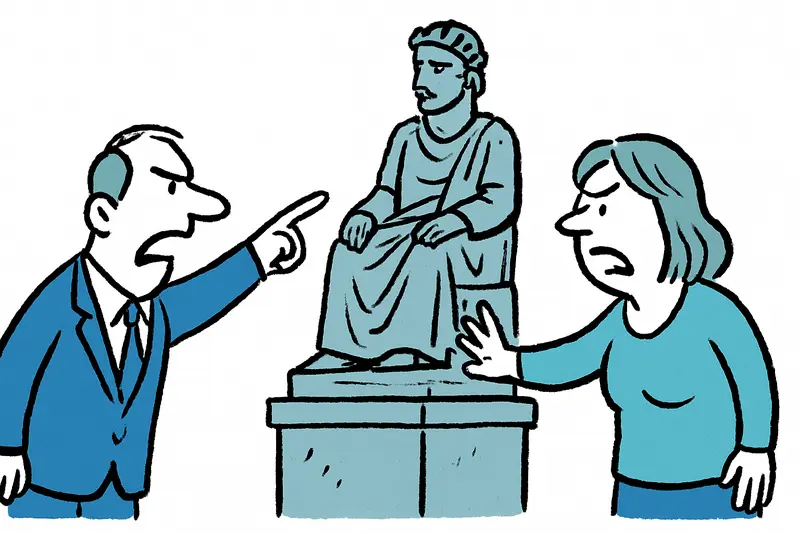
Late on a Thursday afternoon in Palma: wind tugs at the park benches in front of Es Baluard, delivery vans manoeuvre more slowly than usual, and the voices of passersby blend with the constant hum of the city. The Sa-Feixina monument stands there, monolithic and calm — and suddenly at the centre of a legal and political clash. Madrid has ordered the monument removed and stored; the PP and Vox members in the city council had just tried to grant it maximum protection. The decision is based on an expert report that attributes an ideological character to the structure and a role in legitimising the dictatorship. Opposing this is the heritage organisation ARCA, which demands recognition of the architectural significance and preservation. What is happening here is not just an administrative act. The order reflects broader tensions between Madrid and the islands, as discussed in Merz in Madrid: Why political differences with Sánchez are also felt in Mallorca. It is a test of how we deal with the past in our urban landscape.
Critical analysis: The core problem is twofold. First: legal framework versus local interest. The central government appeals to the Law of Democratic Memory and an expert report that classifies the monument as part of a Francoist cult of the dead. Formally, the decision may be administratively sound; in practice it encounters a local context in which people experience the structure differently — as a landmark by the sea, as part of a walking route. Second: terms such as "ideological character" or "symbolic dominance" are historically loaded, but not automatically easy to prove. A structure has material, form and uses that can be read in different ways: memorial, monument, architectural sculpture. The expert commission argues that removing emblems is not enough to erase an ideological core. ARCA replies with the name of the architect, Francisco Roca Simó, and the alleged international relevance of the design. Neither argument can be simply set against the other, but both must be on the table when seeking a legally sound and socially accepted solution.
What is missing from the public discourse: three points stand out. First: a transparent explanation of the criteria by which a monument remains "ideological" even after emblems have been removed. Citizens struggle to understand why form should matter more than obvious symbols. Second: binding local participation. Decisions that affect the cityscape should not be negotiated only between the central government and the city council; similar debates about cultural priorities can be seen in Language dispute in Mallorca: subsidies, comparisons and the question of cultural justice. Third: a concept for reuse or contextualisation. The current option — storage without exhibition — is purely restrictive. Who decides future accessibility? What role should educational projects or explanatory panels play?
Everyday scene from Palma: on a Saturday morning seniors sit with newspapers on the benches of the promenade, young parents push strollers past, tourists take photos with the harbour in the background. None of these people have the legal briefs in mind, but all perceive the monument as part of their route. The city's own name debate adds another layer, as noted in Palma or Palma de Mallorca? The Name Dispute and What It Really Means. This everyday use produces a banalisation of the political: people strolling here think more about light and wind than ideologies. This is precisely where the tension lies: historical interpretation meets everyday reality.
Concrete proposals: 1) Transparent criteria catalogue: the Balearic government and Madrid should disclose which specific features (date of creation, commissioner, formal language, original inscription) lead to a particular classification. 2) Local round table: representatives of the municipal administration, historians, heritage experts, neighbours and a youth delegation should be bindingly involved in decision-making. 3) Contextualisation instead of total removal as an interim step: if storage is unavoidable, document and virtually reconstruct the monument and install an explanatory display on site that explains the history — at least until a final, broadly accepted solution is found. 4) Legal preparation: if ARCA or the city sues, the central government must make justifications, sources and the expert report public so courts can carry out a thorough review. 5) Education programme: schools and museums in Palma should use the debate to offer local history projects.
Pithy conclusion: The conflict over Sa-Feixina is not a mere heritage quarrel. It reflects how Spain deals with its divided memory. An order from Madrid cannot fill the gap that opens when citizens feel sidelined. If the solution is merely "store it and stop," frustration and distrust will remain. Those who want to defend memory — on whichever side — must therefore deliver three things: transparent criteria, verifiable justifications and genuine local participation. Otherwise what remains is another stone in the way that everyone sees but no one wants to explain.
Frequently asked questions
What is the Sa-Feixina monument in Palma and why is it controversial?
Can you still visit Sa-Feixina in Palma while the dispute continues?
What does the Law of Democratic Memory mean for monuments in Mallorca?
Why is Madrid involved in the Sa-Feixina case in Palma?
What happens if a disputed monument in Palma is removed but not destroyed?
What arguments are used to defend Sa-Feixina as heritage in Palma?
How could Palma handle controversial monuments without simply removing them?
Why does the Sa-Feixina dispute matter to everyday life in Palma?
Similar News
High heel slips, car accelerates: accident on Camí de Son Hugo
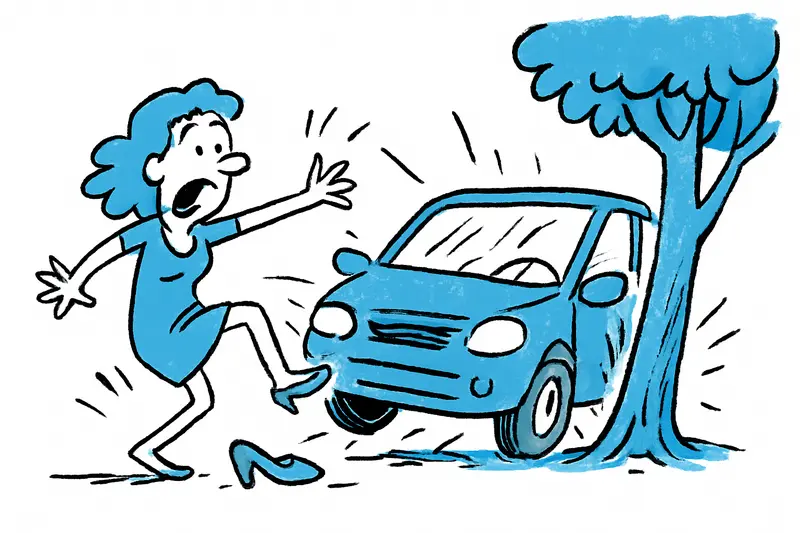
A woman lost a high-heeled shoe on the forecourt of the sports facility at Camí de Son Hugo. The car accelerated, mounte...
Phone Scam: How Two Hotel Employees at Playa de Palma Lost Thousands of Euros
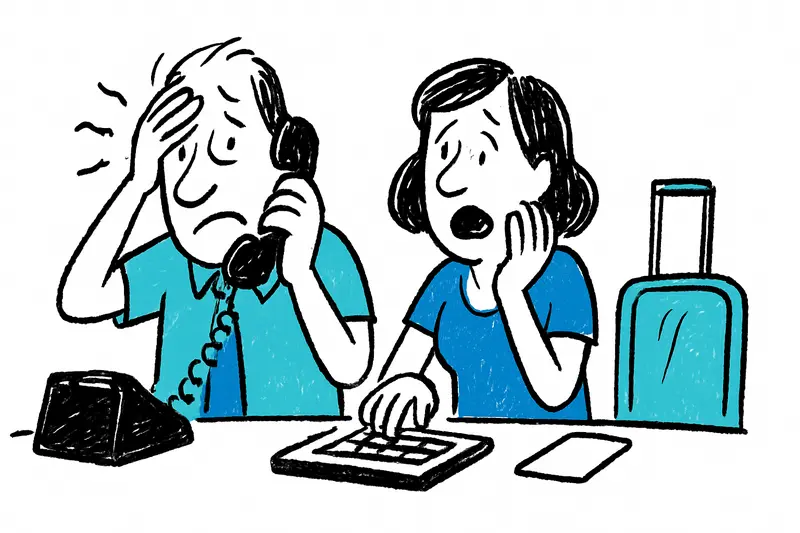
One morning in September, two reception employees at Playa de Palma were pressured by alleged alarm-company staff — in t...
When the Wallet Becomes a Danger: Attack in Peguera and Lessons for Mallorca
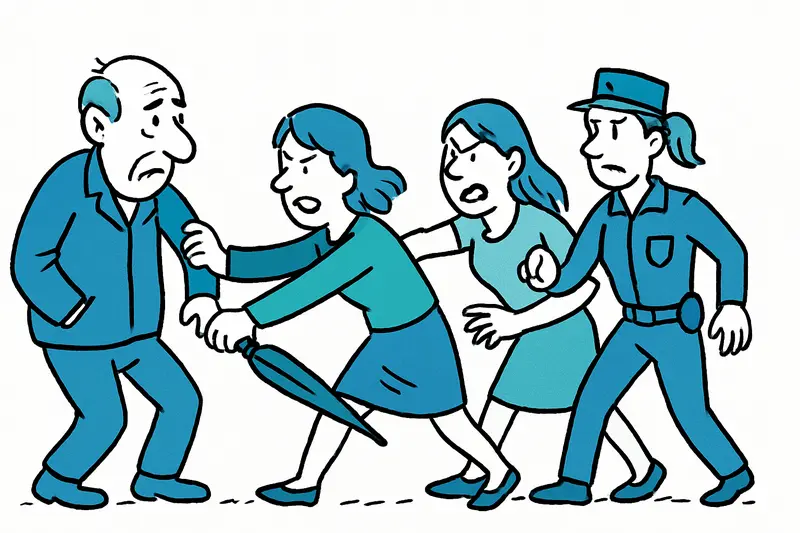
In Peguera, two women are said to have stolen the wallet from a 75-year-old German couple. When the victim intervened, t...
Plata stays Plata: Young people take over, Llonguets remain
A small bar on Carrer de l'Argenteria will continue: Tolo Serra hands the place over to young Mallorcans at the end of t...
Unnoticed in the Luggage Compartment: How a Boy Traveled More Than 100 Kilometers in a Team Bus
A minor traveled in the undercarriage of a team bus for more than 100 kilometers until his cries for help were heard. A ...
More to explore
Discover more interesting content

Can Cap de Bou

Townhouse Lleo 72
