
Magaluf between Cash Registers and Night Watch: When 4,500 US Marines Come Ashore
With US flags on the promenades and shelves stocked with Jack Daniel’s, Magaluf is preparing for around 4,500 Marines. A boom for the cash tills — but the question remains: Can the town manage the balancing act between extra revenue and public quiet?
When the flags fly: Magaluf prepares — but at what cost?
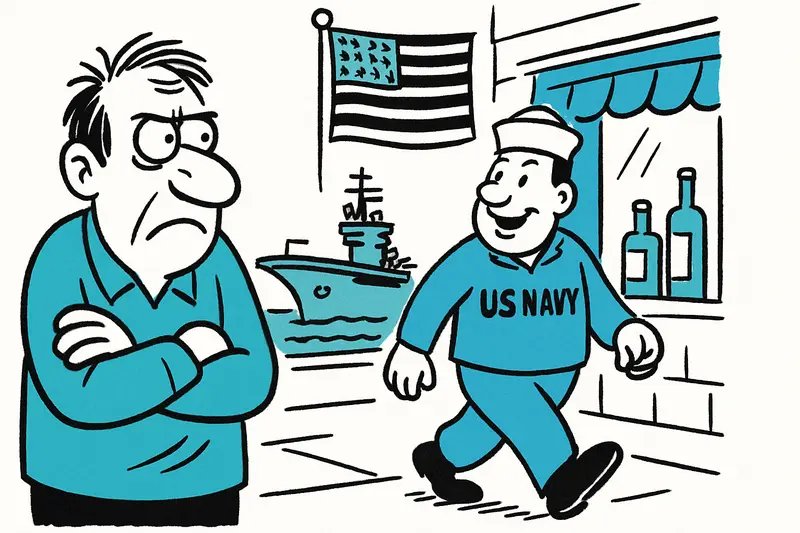
For several days the Stars and Stripes have been fluttering on the promenade alongside colorful tourist banners. Shop windows are stacked with crates of bourbon and cigars, and on Calle Punta Ballena lights still clink in the shelves at night as shopkeepers restock bottles. The occasion is unusual: a US aircraft carrier is anchored in the bay off Palma, USS Gerald R. Ford in Palma: A Giant, 4,500 Guests — and Open Questions, and in the week from October 3 to 8 around 4,500 Marines are scheduled to come ashore, as detailed in 4,500 US Marines in Palma: Who Actually Benefits — and Who Doesn't. For many businesses this is a welcome source of income. For residents and law enforcement, however, the prospect awakens old worries.
Economic breathing space — more than just a sales boost?
The numbers sound tempting: extended opening hours, full restaurants, taxi rides into the early hours. A pub owner on the Paseo Marítimo expects "days that make a financial difference," a kiosk operator says he bought extra American snacks and beer. In a place where every euro counts after a mixed summer, this is a real opportunity. Especially small family-run businesses that usually struggle in the low season see the one- and multi-day shore leaves as a welcome breather.
The downside: experience, uncertainty, prevention
But experience teaches caution. Memories of incidents during earlier shore leaves run deep: noise disturbances, property damage, verbal and physical altercations — scenes many residents still clearly recall from the 1990s, and not least those described in Magaluf after the beach discovery: When partying becomes a danger zone. Police and the Guardia Civil official website have coordinated operational plans; the US Naval Provost (Master-at-Arms) has been announced, and routes for the servicemen are to be set in advance. More presence, defined routes, strict controls at hotspots — these are the promises. The central question remains: Are these measures sufficient to sustainably balance revenue and public safety?
What is often missing in public debate
There is a lot of talk about alcohol, noise and police patrols. Less often discussed is the finely tuned logistics such an event requires: temporary traffic regulations, additional taxi ranks, new waste concepts for the amounts of drinks consumed at night, graduated emergency plans for medical assistance, and the psychological strain on staff in hospitality and security. Even less debated is how the town can anchor the income locally — so that not only large bars benefit, but also supermarkets, family restaurants and craftsmen.
Practical suggestions: How Magaluf could better master the balancing act
From observation and conversations on site, concrete, pragmatic measures emerge that go beyond simply adding more police:
1. Designated leisure zones: Instead of servicemen roaming freely through all neighborhoods, clearly designated entertainment streets (with extended opening hours) could offer more control and safety. Businesses there could receive special permits, alcohol-free areas could be set up and medical helpers posted.
2. Preventive staff training: Bartenders, taxi drivers and bouncers need short-term training in de-escalation, youth protection and rapid alarm procedures. a two-hour mandatory session before the Marines arrive could prevent many conflicts.
3. Transparent accounting for local gains: Temporary taxes or levies could be allocated directly to cleaning services, security personnel and compensation for night work — so not only the largest venues benefit, but the entire neighborhood does.
4. Clear communication strategy: Early, multilingual information for residents, business owners and servicemen — about permitted zones, hours and codes of conduct — reduces uncertainty. Posters, WhatsApp groups for traders and information booths at the port help.
5. Improved mobility offers: Pop-up bus lines and additional taxi ranks prevent servicemen from walking into residential areas. Less roaming means less risk of disturbances.
A local experiment with signaling effect
In the coming days Magaluf faces a small experiment: it is not only about a few million euros in turnover, but about how the town handles a sudden influx of guests without sacrificing long-term quality of life. When the sound of waves in the harbor is overlaid by the clink of full glasses, the town must ensure that the night does not descend into unrest. A proactively organized, socially balanced approach could serve as a model — for Mallorca and beyond.
I remain on site, listening, noting the nights, the rattling of curtains on Calle Punta Ballena, the laughter on the Paseo Marítimo and the sirens when they flash. In a few days we will know whether Magaluf turns the stopover into a gain for everyone — or whether the island once again simply gets the bill presented. More details about the carrier’s specifications are available on the USS Gerald R. Ford ship information on the US Navy site.
Frequently asked questions
What usually happens in Magaluf when a large group of US Marines comes ashore?
Is October a busy time to visit Magaluf in Mallorca?
How should I pack for Magaluf in the low season?
Can shore leave crowds affect nightlife and noise in Magaluf?
What areas of Magaluf are usually busiest during nightlife hours?
Why do local businesses in Magaluf welcome visiting sailors and Marines?
How do police prepare for a large nightlife crowd in Magaluf?
What could help Magaluf handle a sudden influx of visitors better?
Similar News

When a Taxi Fare Dispute Turns Violent: What the Magaluf Case Reveals About Safety and Prevention
In Magaluf a 2023 dispute over a taxi fare escalated: an 18‑year‑old British man is accused of seriously injuring a taxi...
Bloody clash in Canòdrom Park: What is missing in addressing violence on Mallorca's streets?
At midday on October 23, an 18-year-old man was critically injured in Canòdrom Park in Palma. The attack raises question...

Palma raises bus fares: Who pays the bill for public transport?
Single tickets rise from €2 to €3, airport trips have a reference price of €4.50. It remains unclear whether residents w...
Palma's New Indoor Pool: Sea View, Sunbeds and Space for Everyone
At Aigua Dolça, near the Paseo Marítimo, Palma has a new municipal indoor pool. For a small fee people can now train, re...

How Four Burglars Emptied Ten Houses with a Simple Trick — and What It Means for Mallorca
Four men used the impressioning technique, posed as delivery workers and accepted two years in prison. A reality check f...
More to explore
Discover more interesting content

Can Cap de Bou

Townhouse Lleo 72
