
Mallorca in the Epstein Files: What the Documents Show — and What Is Missing on the Island
Mallorca in the Epstein Files: What the Documents Show — and What Is Missing on the Island
Released documents name Palma, Valldemossa and contacts with local real estate. But the files do not reveal whether criminal acts took place on Mallorca. Time for clarity — and concrete steps on the island.
Mallorca in the released files: photos, emails, unresolved questions
The most recently published documents around Jeffrey Epstein repeatedly name places and people that create a connection to the island: photos of a yacht off Palma from 2004, a stay at a hotel on the island four years later, references to the s’Estaca estate in Valldemossa, and email exchanges with a German-born banker who wrote about properties in Palma. There are also mentions of stays by another person closely linked to Epstein and even an invoice for maintenance work on a yacht at a shipyard in Mallorca. At first glance this reads like a visitors' log of the rich — on second glance many things remain unclear.
Key question
How robust are the traces in the files for the thesis that Mallorca was more than a temporary place of stay within Epstein's network?
Critical analysis of the evidence
The documents contain photos, emails and individual invoices. These types of material carry weight, but they do not automatically prove that crimes were committed on Mallorca. A photo of a yacht off Palma proves presence at sea, not the content of private meetings. Emails about a property for sale in Valldemossa suggest purchase interest, not criminal activity. The mention of a German real estate agent in connection with a hotel stay in Sóller remains vague: there is no travel log, no confirmed hotel bill and no witness statement in the released package that clearly prove a physical meeting took place or which people were involved.
What is missing from the public discourse
The debate currently focuses on the sensation: names, luxury, prominence. Hardly discussed at all is which verifications are possible and necessary. On Mallorca there have so far been no coordinated reviews of the available documents by local authorities or independent examiners, as discussed in Major Raid in Palma: What the Investigations Mean for the Island. Nor is the fate of the people on the island who may have come into contact with the mentioned events being examined: marina staff, shipyard workers, hotel employees or local agents could have important testimony, but they are not being systematically questioned.
Everyday scenes on the island
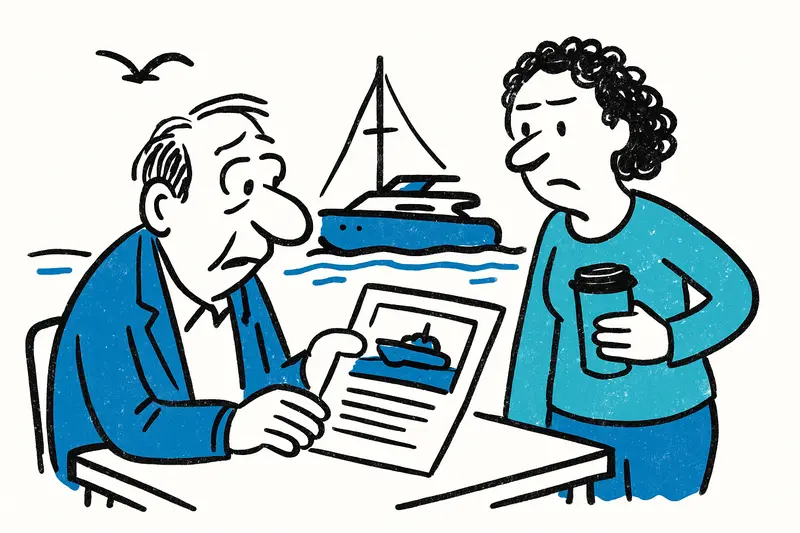
Walking along the Passeig Marítim you hear seagulls, engines from the harbor, see people with thermoses leafing through the newspaper. Such morning sights remind us: for many Mallorcans the headlines are far removed from everyday life. In Valldemossa the café owner wonders about visitors who suddenly want to know who was in the village and when. In Port de Sóller fishermen talk about yachts that come and go, often without drawing attention. This everyday perspective shows: transparency is not only a legal matter but a local issue that affects neighbors and employees, a point also raised in Major Raid in Palma: What the Searches of Law Firms Mean for the Island.
Concrete proposals for action
1) Establish an independent review at island level: a commission of legal experts, forensic specialists and civil society representatives could examine the relevant documents and create open fact lists. 2) Cross-check files with local registers: hotels, marinas and shipyards should be queried — hotel invoices, boat arrival and departure logs, service invoices. 3) Protection and encouragement of witnesses: anonymous reporting channels and legal protection for employees in affected sectors. 4) Transparency in luxury real estate: buyer contacts, agent communications and records for major sales should be better documented without infringing legitimate data protection interests. 5) Cooperation with international investigations: if US investigations provide further findings, they should be made accessible for local reviews.
Why these steps are important
The aim is not to confirm sensational accusations but to achieve clarity: were parts of Epstein's network only briefly on the island or was Mallorca an active scene? Answers protect potential victims, secure the rule-of-law process and help prevent the island from being left with nothing but rumors.
Concise conclusion: The files indicate connections to Mallorca — photos, emails and invoices are building blocks. But there is a lack of reliable links proving that crimes took place on the island. A targeted, transparent on-site review would be the best way to end speculation and preserve the trust of people here. Until that happens, Mallorca is left with open questions and the sound of boat engines in the background, which neither replace the truth nor responsibility.
Frequently asked questions
What do the Epstein files actually show about Mallorca?
Does a yacht photo off Palma prove anything on its own?
Why is Valldemossa mentioned in connection with Epstein?
What does the mention of a hotel stay in Mallorca mean?
Is there evidence that crimes happened on Mallorca?
Why are local records like marina or hotel logs important in Mallorca investigations?
What role could Palma shipyards play in checking the evidence?
Why do people in Mallorca care about this case beyond the headlines?
Similar News

Mistaken identity with fatal consequences: Brutal assault in S'Aranjassa — what's missing in the follow-up?
At S'Aranjassa a visitor to a finca was tied up, beaten and thrown out of a van. Three men have been arrested, including...

High heel slips, car accelerates: accident on Camí de Son Hugo
A woman lost a high-heeled shoe on the forecourt of the sports facility at Camí de Son Hugo. The car accelerated, mounte...

Phone Scam: How Two Hotel Employees at Playa de Palma Lost Thousands of Euros
One morning in September, two reception employees at Playa de Palma were pressured by alleged alarm-company staff — in t...

When the Wallet Becomes a Danger: Attack in Peguera and Lessons for Mallorca
In Peguera, two women are said to have stolen the wallet from a 75-year-old German couple. When the victim intervened, t...
Plata stays Plata: Young people take over, Llonguets remain
A small bar on Carrer de l'Argenteria will continue: Tolo Serra hands the place over to young Mallorcans at the end of t...
More to explore
Discover more interesting content

Can Cap de Bou

Townhouse Lleo 72
