
When Waiting Turns into Tension: How Mallorca Can Better Protect Healthcare Staff
Aggression in clinics and emergency departments is no fringe issue, but neither is it an unavoidable part of healthcare. Safe procedures, help that can be reached quickly, and an honest look at the causes are what matter.
When Waiting Turns into Tension: How Mallorca Can Better Protect Healthcare Staff
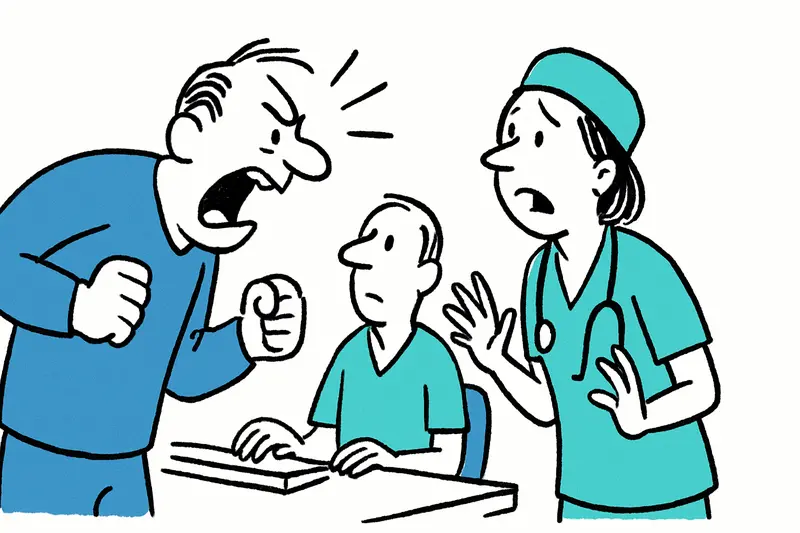
How can we protect people who care for the sick without turning health centres into fortresses? This is no abstract question in Mallorca. In an emergency department, pain, worry and prolonged uncertainty come together. Most of the time, it amounts to tense voices and tired faces. But when threats or physical assaults enter the picture, a line has been crossed. Doctors, nurses and reception staff must not be left to absorb the frustration of an overstretched system.
An afternoon at a health centre has its own rhythm: the door opens, someone asks at reception about an appointment, a child fusses, and a bus rumbles down the street outside. Then a treatment is delayed, the wait gets longer, and nobody knows exactly when things will move forward. For people in pain or feeling afraid, this can quickly feel like being left helpless. Sometimes that helps explain an escalation. It never justifies one.
Safety starts before the alarm button
An alarm that discreetly summons help can be important in a dangerous moment. Trained security staff and clear access rules can also protect employees. But technology alone achieves little if nobody knows who responds to the alarm, how quickly help will arrive, or what happens afterwards. A button on the wall is not a safety plan if, in an emergency, the team first has to work out who is responsible.
Every centre therefore needs a simple, practised procedure: Who takes over at reception? Who calls for support? Where can staff retreat to? New colleagues should know these steps before, not after, the first incident. In particularly tense situations, staff must be able to avoid continuing a consultation alone. These rules protect not only employees. They also give patients guidance when tensions rise.
After an assault, the person affected must not be left with paperwork and the feeling that they have to deal with the incident somehow on their own. A designated point of contact, timely psychological support and help with filing a police report are practical parts of protection. Just as important, incidents must be documented and reviewed internally, even when nobody has been physically injured. A threat that simply disappears into the routine without consequence can damage the sense of safety across an entire team.
What often gets lost in the debate about violence
Public debate tends to focus on the act and the punishment. That is understandable. But before that comes a daily reality that can make conflict more likely to flare up: unclear waiting times, services that are hard to reach, language barriers, or the fear of not being taken seriously when an urgent problem arises. These are not excuses for violence. They are areas where facilities can reduce friction.
A clearly visible notice explaining where to go if someone’s condition worsens may sound unremarkable. So does a reception desk where staff can explain whether an appointment is likely to be delayed and what options are available. People who are unwell do not need soothing platitudes; they need reliable information—even if the answer is, “We don’t know exactly yet.” Uncertainty cannot always be avoided. Silence often makes it worse.
One distinction is often missing from the public debate: the difference between frustration and aggression. Frustration needs room: complaints, questions and criticism are part of healthcare. Intimidation and violence are not. Facilities should make this distinction clear, so that a sharp tone is not automatically treated as a threat and a specific threat is not dismissed as mere irritation. That takes training, coordinated procedures and management that visibly supports employees after an incident.
Protection must not stop at the door
Mallorca also faces practical questions. A centre in Palma has different spatial constraints from a small clinic in a town where fewer people are out at night. Routes for getting support, opening hours and staffing levels vary. A one-size-fits-all solution is unlikely to suit the island. It would make sense to assess risks at each location and involve staff: Where do they feel alone? Which situations recur? What is missing at reception, in the corridor or in the treatment room?
Communication with the public also matters. When rules for accompanying visitors, waiting procedures or access are explained clearly, there are fewer surprises. Multilingual notices can help, especially where people with different language skills come together. This does not absolve anyone of responsibility for their own behaviour. But it can prevent an avoidable misunderstanding from becoming another spark.
Finally, the authorities should be open about which protective measures are actually working at each location—and where gaps remain. This should not be a glossy progress report, but a transparent account of reports, response procedures and support after incidents. Without such feedback, it is impossible to know whether new technology is making everyday work safer or simply looking good on a list. Employees must also be able to report what happened without fear of repercussions.
A clear boundary, a better everyday experience
When the queue at reception in Palma gets longer, a lecture about patience is no help. What helps is clear information, accessible points of contact and a team that knows how to protect one another. And when someone is threatened or attacked, the response must be swift and reliable. Not because every tense situation is dangerous, but because employees should not have to be injured before their safety is taken seriously.
So the central question has two sides: How can Mallorca prevent violence—and how can the island ensure that necessary protection does not become isolation? The answer lies neither in stricter doors alone nor in simply being friendlier. It starts with a clear boundary against assaults, continues with well-organised support, and ends with a healthcare system that does not leave its employees to cope alone. Anyone who wants to safeguard healthcare must also safeguard the people who provide it.
Frequently asked questions
How can Mallorca health centres reduce tension when waiting times are unclear?
What should I do if my condition gets worse while waiting at a Mallorca health centre?
How should Mallorca clinics respond to threats against healthcare staff?
What support should healthcare workers in Mallorca receive after an assault?
Is frustration at a Mallorca health centre the same as aggression?
How can Mallorca health centres communicate better with patients who speak different languages?
Are alarm buttons and security staff enough to protect healthcare workers in Mallorca?
Should healthcare safety measures differ between Palma and smaller towns in Mallorca?
Similar News
Luggage at Palma Airport: How to Make Your Suitcase Easier to Spot
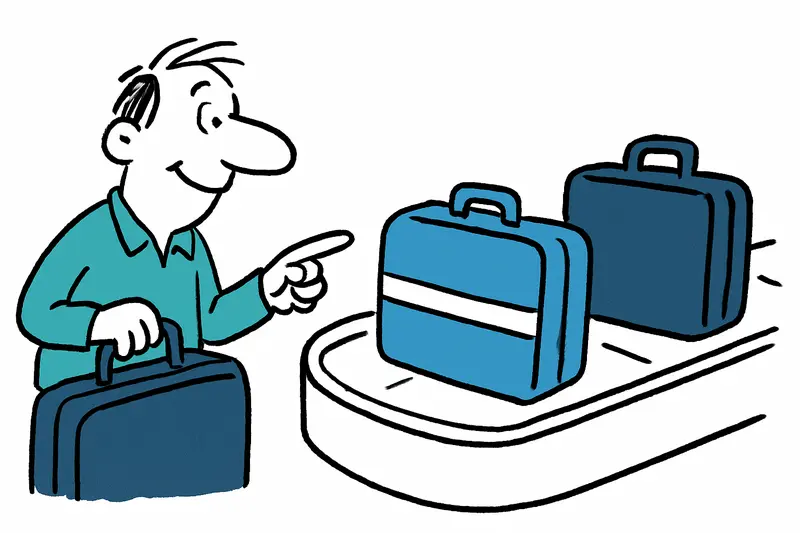
Black and dark blue suitcases can look remarkably alike on the carousel. A distinctive marker makes yours easier to find...
EU Tourism Funding in Mallorca: Sustainable, but Without a Brake?
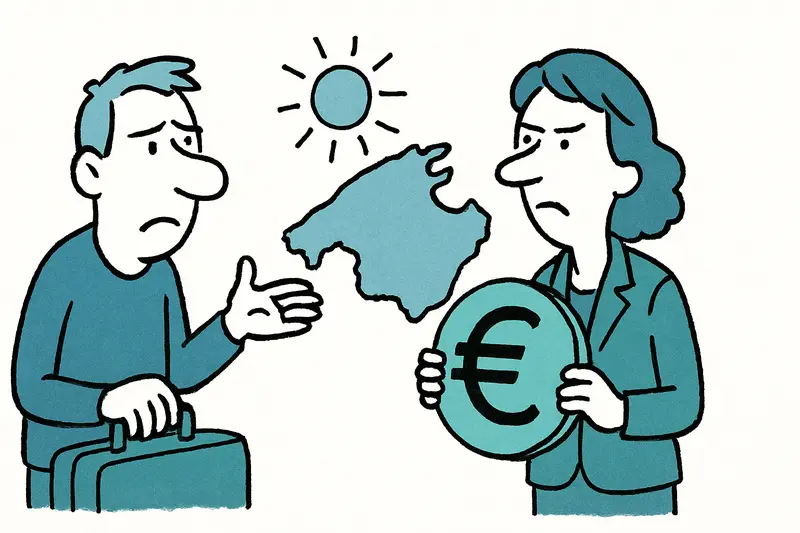
An analysis of 296 tourism projects in the Balearic Islands shows that only a small share of the EU funding examined wen...
The Ferreret on Mallorca: Why This Little Toad Is More Than a Natural Wonder
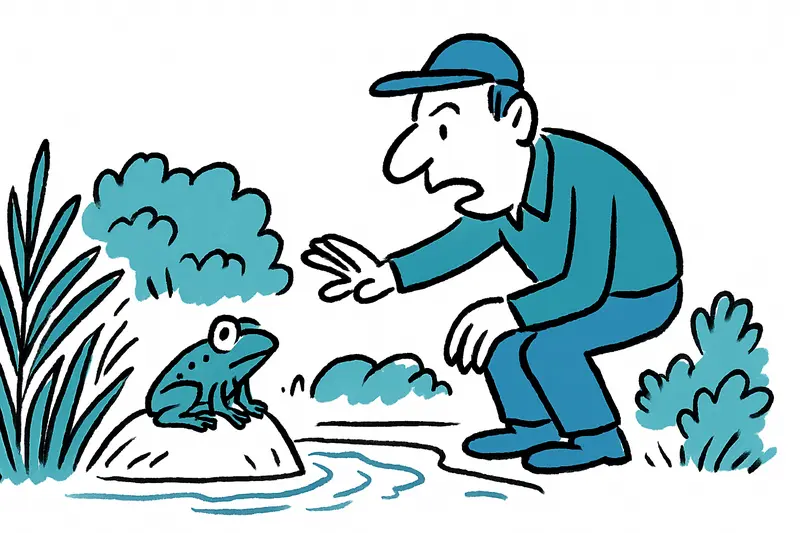
The Ferreret toad lives only on Mallorca. Its protection depends not on grand promises, but on quiet water sources, inta...
Luxury Hotel Renovation in Port de Sóller: What Will It Mean for the Town?
A hotel renovation can refresh rooms and facilities. The harder question for Port de Sóller is how employees, local busi...

Mallorca and EU Funding: Sustainability Also Needs Limits
Funding can make hotels and municipalities more efficient. But using less water per guest still does not answer how much...
More to explore
Discover more interesting content

Can Cap de Bou

Townhouse Lleo 72
