
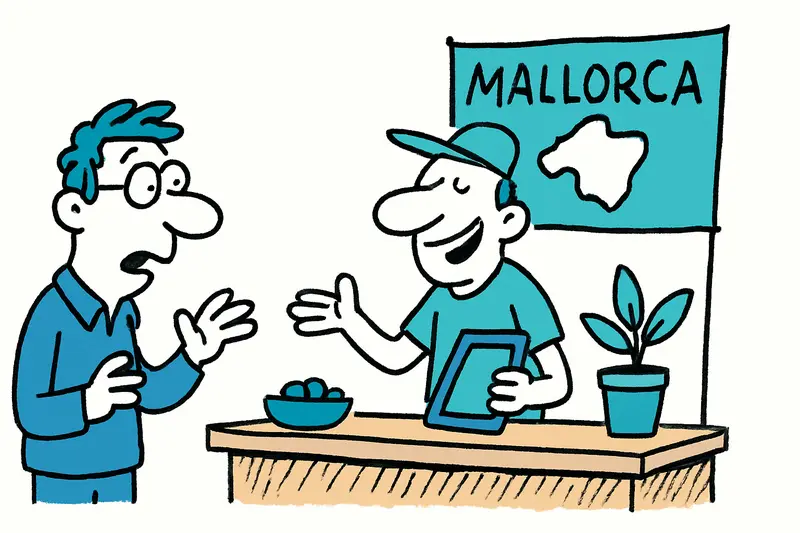
Mallorca in London: Between Fireworks and Algorithm — what remains of the idea 'Mallorca se reinventa'?
At the World Travel Market the island is presenting an AI‑powered system for sustainable, personalised travel. A good idea — but what questions remain? A look at opportunities, risks and practical steps for the island.
Mallorca in London: A new tone — with sparks flying
I picture the scene: wine in a glass, music in the ear, sparks dancing above an exhibition hall in London. From 4 to 6 November Mallorca is promoting itself at the World Travel Market under the slogan “Mallorca se reinventa”. It’s not just a more colourful appearance, not just a show. It’s about a new narrative: travelling slower, smarter and more ecologically. The espresso thought sits nearby — mentally on the village square, while somewhere in the distance the church bell rings and a bus squeaks around the corner.
Key question: Can a digital travel assistant take real responsibility?
The island council is bringing an AI agent to London that creates personalised routes: Tramuntana villages, small wineries, bus connections, market stalls. Practically, it sounds like this: departure at 09:15 in Palma, rental bike at the village square, coffee at 11:30 in the bakery with an oak‑fired oven. Nicely described — but is that enough to sustainably steer visitor flows and protect neighbourhoods? Using such a tool may make sense, as shown in the article When AI Plans the Island Vacation.
What is often overlooked
Technology alone is not a magic solution. Three aspects are missing in many discussions: data quality, continuous maintenance and the people on the ground. An AI depends on up‑to‑date information. If timetables are outdated, markets run on different seasonal schedules or a small family business suddenly closes, even the best algorithm will lead users to empty stalls and locked doors. Equally important is data protection. Who collects travel preferences, how long are the data stored, and who can influence the recommendations?
A second blind spot is the digital divide. Not all hosts on the island are digitally savvy. Some guesthouses, market vendors or bus drivers rely on phone calls or notices on the bulletin board. If planning only works via an app, local actors are left out — and the goal of strengthening small villages undermines itself. This is also discussed in the context of the Digital Twin of the Balearics.
And finally the political level. A digital tool can complement policy, but it does not replace it. Without clear objectives for visitor management, transport infrastructure and financing, much remains a fig leaf for good PR, as argued in After Eleven Years at the Top.
Where the real opportunity lies
To be honest, there is potential: sensible, data‑driven steering of visitors can reduce peaks in pressure. For example: targeted suggestions for secondary towns in the Tramuntana, notices about seasonal harvests and local festivals, routes that combine bus and bike — all this can ease the overuse of specific beaches and spread income more widely.
Practical building blocks could look like this:
1. Local data stewardship: Each municipality should have a “data steward” — a contact person responsible for keeping opening hours, bus changes and events up to date. This builds trust and ensures information is current.
2. Interfaces to transport providers: Direct APIs to bus operators and ferry lines ensure reliable connections. No planning that assumes “the bus runs” when it actually pauses service three times a week.
3. On‑site training: Workshops for hosts, market traders and taxi drivers so they understand how the system works and how they can benefit from it themselves.
4. Data protection and transparency: Clear rules about which data are collected, opt‑out options and an open algorithm audit for those interested.
5. Pilot projects and evaluation: Small test areas in the Tramuntana with clear success criteria (relief for certain beaches, increased revenue in villages, reduced CO2 emissions) before a full rollout. Regenerative tourism, as discussed in Tourism Boom in Mallorca, could serve as inspiration.
The presentation in London — more than a show?
The side programme in London with the fire performers is impressive. Such images stick. But we Mallorcans know: impression is not the same as impact. What matters is whether there is a maintainable system behind the demo and whether island society is brought along. When the espresso steams in Palma in the morning, the barista must eventually know whether their café suddenly appears on a recommended route — and whether they are prepared for that.
Conclusion: Presenting Mallorca as a climate‑friendly destination supported by digital guidance is the right and urgent idea. But implementation decides. With clear local processes, involvement of people on the ground and transparent data rules, the island can become an example to follow. Without this foundation it remains pretty pictures in London — and that would be too little for an island that is more than a postcard with fireworks.
Frequently asked questions
What is Mallorca trying to achieve with its new tourism approach?
Can an AI travel planner really help manage tourism in Mallorca?
What should visitors pack for a slower, more local trip in Mallorca?
Is Mallorca trying to push visitors away from the busiest beaches?
Why does data quality matter for tourism planning in Mallorca?
What role do Mallorca villages play in the island's tourism strategy?
What are the main concerns about using digital tools for tourism in Mallorca?
Why is the World Travel Market in London important for Mallorca?
Similar News

"Expensive chaos" and many open questions: What clients can do when a lawyer suddenly stops responding
Several clients complain that a well-known German lawyer in Mallorca has been unreachable for months. Key question: What...
TV tip: 'The Last Problem' — Mallorca as the setting of a classic crime
A classic whodunit on Mallorca: A new miniseries set in spring 1959 brings storm, an isolated hotel and a dense web of s...

Nipping Sea Creatures: Why Bathers in Cala Major and Elsewhere Should Be Cautious
In Cala Major, bathers have reported being nipped by small fish. What is behind it, how can problems be avoided — and wh...
Forced eviction in Santa Catalina: When a 65-year-old slept in her car and showered on the beach — a question of responsibility
The story of Pilar López from Santa Catalina represents a problem affecting many Mallorcans: How can an island with a bo...
New traffic rules from October 1: What Mallorca visitors and locals need to know
From October 1, 2026, Spain will implement far-reaching changes to traffic regulations. Important for Mallorca: greater ...
More to explore
Discover more interesting content

Can Cap de Bou

Townhouse Lleo 72
