
Why a Sparkling Water Is More Than Just Minerals — Mallorca's Small Everyday Lessons
From Plaça sa Bassa sa Vaquer to Passeig del Born: How a simple purchase of sparkling water becomes the key to understanding Mallorca's rhythm — with practical tips for settling in.
Why a Sparkling Water Is More Than Just Minerals — Mallorca's Small Everyday Lessons
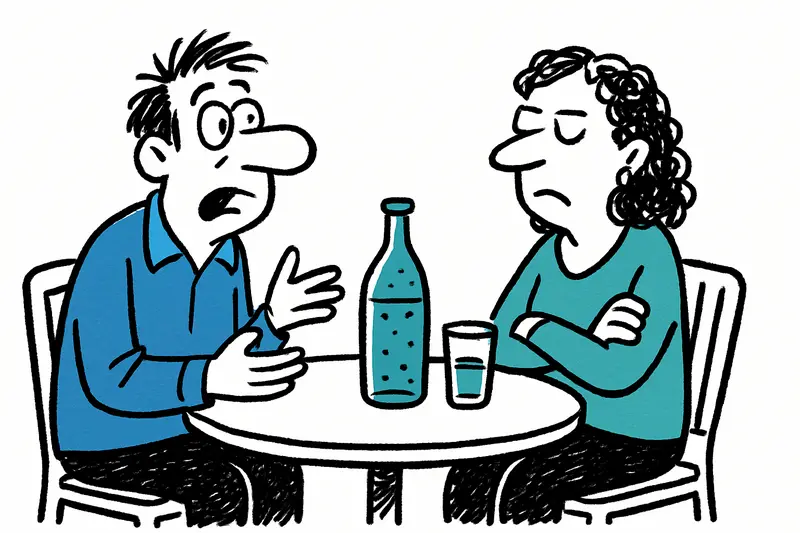
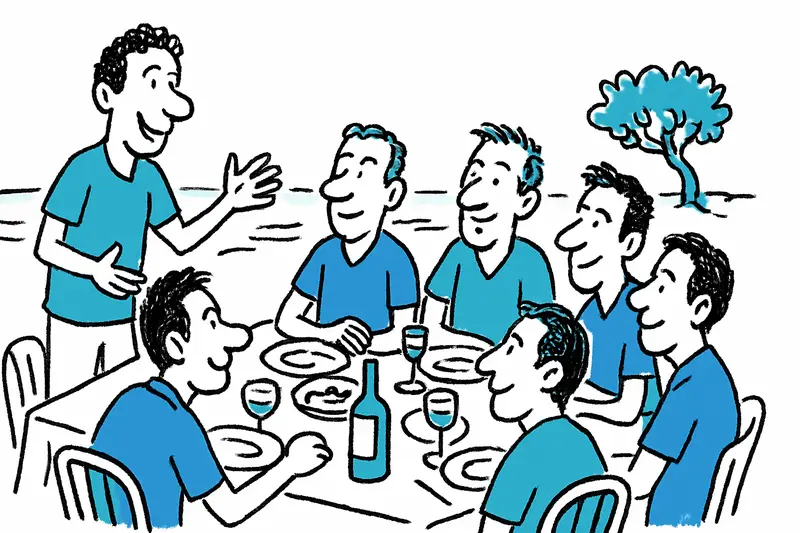
On a mild evening at Plaça sa Bassa sa Vaquer, the café voices a soft chorus, a simple question suddenly entered our conversation: “Why do you actually buy so much sparkling water?” Not an accusation, more genuine surprise. For the Mallorcan woman, sparkling water is something extra in restaurants; it doesn't quite fit into an everyday Mercadona shopping basket for her, and this little astonishment reveals a lot about island life, especially in a place facing questions such as When the Tap Runs Scarcer: Mallorca Between a Tourism Boom and a Dwindling Water Source.
Everyday life as translation: reinterpreting habits
Anyone who moves here quickly notices: emigrating is less about a move and more about patience with translations. It's not only words that have to be understood, but rhythms — when the day begins, when it slowly winds down. Punctuality, fixed evening rituals, weekly plans — things often taken for granted in Germany — can seem exotic in Mallorca. In return, you learn how precious a long cup of coffee on the Passeig del Born can be, while Vespas hum outside and the harbor wind blows.
A friend from North Rhine-Westphalia experienced this when a craftsman casually answered with “mañana.” Not a refusal to set a date, but an attitude: life here has different timings. “Mañana” does not necessarily mean tomorrow morning; it can mean “sometime, at ease.” Accepting that saves a lot of annoyance — and often leads to more relaxed encounters.
The art of living more slowly
In the evenings children play later, squares only fill after sunset. The remnants of the siesta are still noticeable: conversations take time, decisions are made together. At the market in Santa Catalina the vendor is happy to explain why her oranges are sweeter — that takes time, but it builds relationships. It's less efficient, but often more human. A sudden shower upends plans; no one panics, the patter on the awnings becomes part of the evening, even as authorities sometimes impose limits — see When the Tap Becomes a Luxury: Seven Municipalities Tighten Water Rules in Mallorca.
Why that's beneficial
That many things move more slowly is not a step backwards but a gain. Relationships are nurtured, neighborhoods consist of people, not just addresses, even as debates about tourism's strain on water — such as Water scarcity in Mallorca: Why hotels must now take responsibility — continue. If you listen, you get invited to family dinners, learn where the best mandarins grow, and understand why the neighbor only uses the terrace after sunset. For newcomers this means: here you can relearn how to slow down — with the scent of the sea, the cry of the gulls and the distant sound of Palma's tram as soundtrack.
Practical tips for settling in
A few small rules make life easier: First — listen. Ask questions without lecturing. Second — stay flexible: for appointments, plan a buffer and confirm shortly beforehand by message. Third — experiment: sometimes it is enough to leave the sparkling water in the cart and choose still water. That is not capitulation, but a gesture of goodwill.
And if the children sleep later, that's not a false start but an invitation to enjoy the hours afterwards: a walk, an ice cream, a quiet conversation on the plaza. Humor helps: laugh about misunderstandings instead of blowing them up. From a harmless question about mineral water a conversation can grow, and from questions often a friendship.
A short conclusion — and an outlook
Settling in on Mallorca is constant translation: not only language but also habits, time cycles and small rituals. The more you listen, try things out and laugh, the more at ease you will feel. Sometimes a shared coffee is enough, sometimes an open ear — and yes, occasionally still water in the glass. Those who accept this discover an island that doesn't hurry to please, but slowly reveals what it is made of: warmth, serenity and plenty of room for new habits.
Frequently asked questions
Why do people in Mallorca often prefer still water to sparkling water?
What should newcomers know about everyday life in Mallorca?
Is the phrase 'mañana' in Mallorca a real promise or just a casual reply?
What is it like spending an evening in a Mallorcan town square?
How should I pack for daily life in Mallorca if I want to fit in better?
What is Plaça sa Bassa sa Vaquer like on an ordinary evening?
Why do appointments in Mallorca sometimes feel less fixed than people expect?
How can newcomers build good relationships in Mallorca?
Similar News
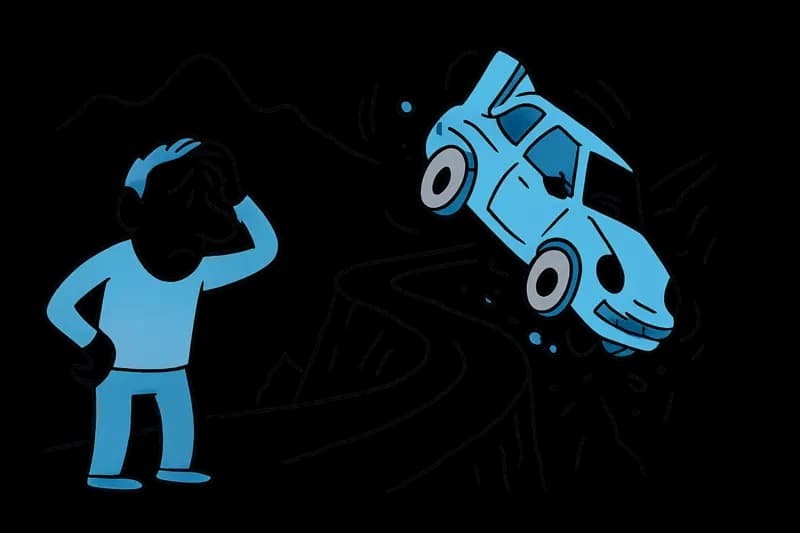
Death in the Gorge: Key Questions on the Safety of Rallies on the Ma-10
A Porsche plunged into a ravine during the 550 Challenge near Mortitx. Who bears responsibility, what safety gaps were r...

Eighth BAF surge: Why freight costs in Mallorca are rising now — and what it means for us
Fuel surcharges (BAF) for ferries between the mainland and the Balearic Islands rose by around eight percent in October....
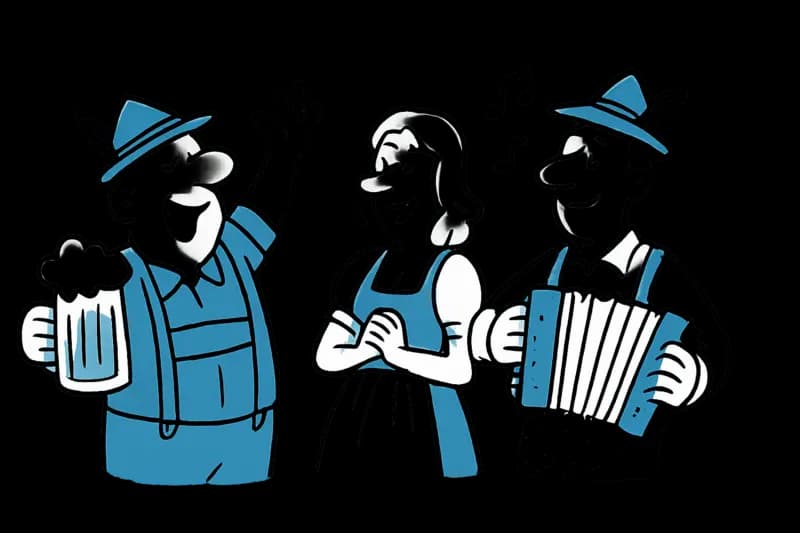
O'zapft is! Island Oktoberfest in Santa Ponca: Ten Days of Bavaria on Mallorca
From October 23 to November 1, Santa Ponca will turn blue and white again: Hofbräu beer, Schuhplatteln, a dirndl contest...
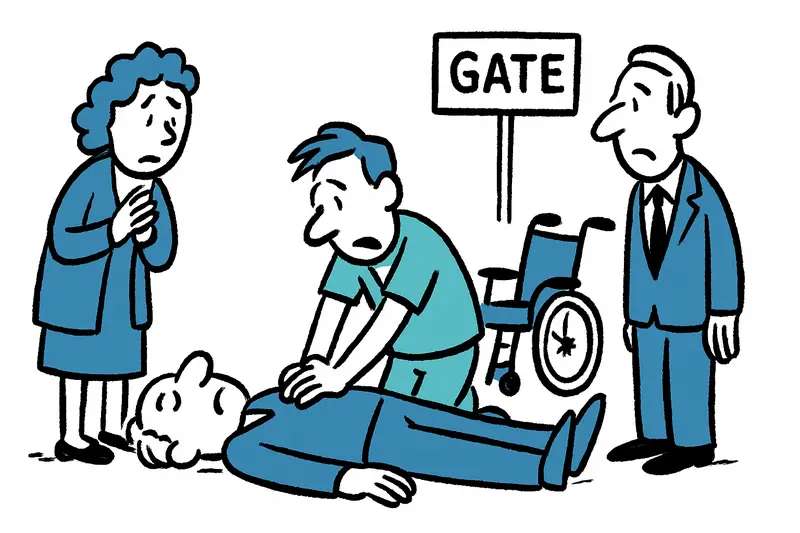
Sudden end at the gate: A 70-year-old dies at Palma airport — what now?
A 70-year-old French tourist collapsed at the gate of Palma airport and died despite resuscitation. Who is responsible f...
Rafa Nadal brings tennis greats to dinner in Port Verd – an evening at Sa Punta
For the anniversary of his academy, Rafa Nadal invited international tennis stars to his favourite restaurant on the eas...
More to explore
Discover more interesting content

Can Cap de Bou

Townhouse Lleo 72
