

Decomposed Body near Son Banya: Why a Person's Disappearance Remained Invisible for So Long
Decomposed Body near Son Banya: Why a Person's Disappearance Remained Invisible for So Long
A decomposed body was found in a ruined mill on the road to Llucmajor near Son Banya. The homicide unit is investigating. Key question: How can a person be overlooked for so long in a inhabited but neglected place?
Decomposed Body near Son Banya: Why a Person's Disappearance Remained Invisible for So Long
Key question: How can a person be overlooked for so long in an inhabited but neglected place?
On Wednesday afternoon a passerby discovered a deceased person in an advanced state of decomposition in a ruined mill on the road to Llucmajor near Son Banya. Several patrol cars from the National Police and the Guardia Civil arrived, the homicide unit took over the investigations, and the municipal funeral service collected the body in the early evening. No papers were found with the body; the circumstances are unclear — the corpse was surrounded by rubbish, suggesting the death occurred some time ago. Similar discoveries have happened in the city, for example Body in Santa Catalina: Why the death went unnoticed for weeks.
That is the sober core. The questions that remain beyond that are open and urgent. The daily hustle on the road to Llucmajor does not end abruptly: buses run, delivery vans cross the street, residents walk their dogs. And yet a person apparently lay at this spot for weeks — visible to a few, but invisible within the framework of public action.
The first critical question therefore is: Who is responsible for regularly checking and maintaining places like this? The fact that the homicide unit is investigating points to possible criminal aspects, and past unresolved cases, like Unsolved discovery off Cala d’Or: The brutal death of a young German tourist in 1988, show the need for thorough inquiries. At the same time this is a social-policing problem: abandoned buildings, rubbish dumps and people living on the margins of society are part of the reality around Son Banya. When prevention, cleaning and social care are missing, dangers grow — for residents and for those seeking refuge in the area.
What the public debate has so far barely addressed are reliable figures on missing persons with a close connection to settlements like Son Banya, systematic inspections of derelict buildings and transparent procedures for identification. It is not only the investigators' task to clarify the death; authorities must also proactively ensure that people do not disappear unnoticed for so long. And by that I do not mean every other patrol car, but coordinated measures between the municipality, health and social services and the police.
Forensic work — autopsy, evidence collection — will establish whether foul play was involved and who the deceased was. But the investigation can only react. Prevention requires concrete steps: regular patrols with a social component, a registry of abandoned or derelict buildings in the responsible municipalities, mandatory reporting chains for missing persons including between local aid organisations and the Guardia Civil.
Another problem is stigmatization. When people are labelled as "drug addicts," society turns away too quickly. The proximity to Son Banya suggests the man may have been known there — in such cases the individual easily becomes subsumed under a collective label and loses his identity. That makes it harder to find relatives and clouds well-intentioned aid efforts.
On site, on the road to Llucmajor, there are details that often get lost in reports: dogs sniffing around the ruin, the smell of damp and rubbish after rain, a city bus slowly passing on its way to Palma, and older residents carrying their shopping home. These scenes show: the area is not no-man's-land. It is part of the city, simply poorly cared for, as other recent discoveries along the coast and in urban areas have underlined, for example Body in Es Carnatge: Investigations After Discovery on the Shore.
Concrete proposals that could change something here are not new, but they are feasible: an interdisciplinary response team of social workers, municipal cleaning services and police for problem zones; a digital reporting system for abandoned buildings with fixed response times; mobile health and counselling services for people without a fixed residence; and transparent monitoring of missing persons with regular information exchange between police and social services.
Neighbourhoods can also be strengthened. Community centres where residents can give anonymous tips help to report suspicions early without immediately creating investigative pressure. Such centres can offer simple services: warm clothing, contact to counselling centres, or help finding missing acquaintances.
What is missing is not only money but coordination. Authorities have limited resources; their effectiveness increases with clear processes and small, reliable cooperations between institutions. A functioning mechanism for the rapid identification of the deceased would return dignity to relatives and give the justice system answers more quickly — lessons that other prolonged unnoticed deaths elsewhere, such as the Valencia find: When a person remains unnoticed for 15 years — Lessons for Mallorca, make painfully clear.
The discovery of this dead person is a warning sign: it shows how easily people on the margins of society are overlooked — in the middle of the city on a busy road. The homicide unit's investigation must be carried out, that is indispensable. At the same time we should address the preventive tasks: secure derelict buildings, increase social presence, improve reporting and identification pathways.
Conclusion: If a person dies unnoticed for a long time in a ruin on the road to Llucmajor, it affects the whole city. Police and forensic medicine will clarify how this death occurred. The next question must be: How do we prevent this from happening again? The answer lies in better cooperation, visible social work and more responsibility for abandoned places — so that people no longer disappear into rubbish without anyone looking.
Frequently asked questions
Why can a person go unnoticed for so long in Mallorca’s abandoned buildings?
What happens when a decomposed body is found in Mallorca?
Why are abandoned places in Mallorca considered a safety risk?
What does the road to Llucmajor near Son Banya say about neglected areas in Mallorca?
How can Mallorca improve identification when a body is found without papers?
What should be done with derelict buildings in Mallorca to prevent similar cases?
Why is stigma around people living on the margins a problem in Mallorca?
What can Mallorca do to stop missing people from being overlooked?
Similar News
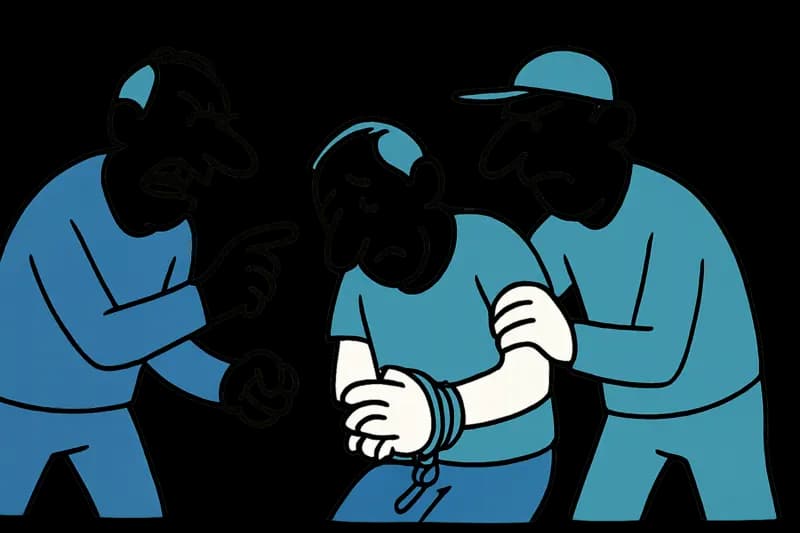
Mistaken identity with fatal consequences: Brutal assault in S'Aranjassa — what's missing in the follow-up?
At S'Aranjassa a visitor to a finca was tied up, beaten and thrown out of a van. Three men have been arrested, including...
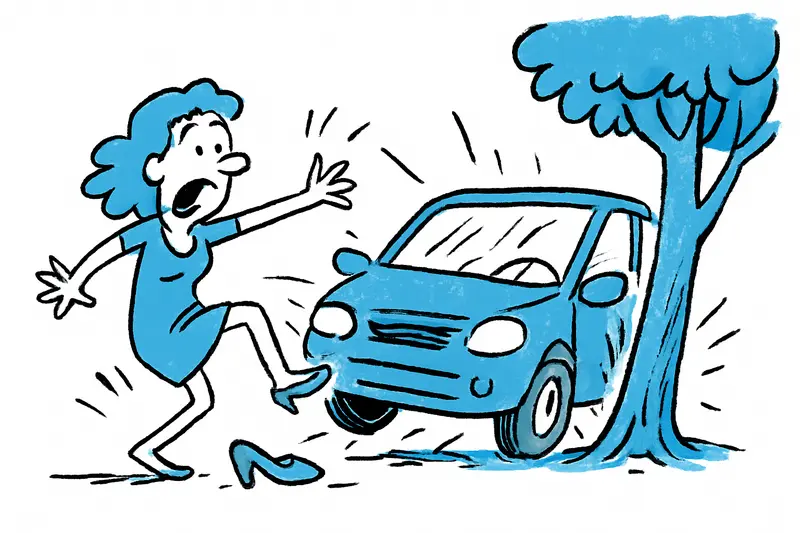
High heel slips, car accelerates: accident on Camí de Son Hugo
A woman lost a high-heeled shoe on the forecourt of the sports facility at Camí de Son Hugo. The car accelerated, mounte...

Phone Scam: How Two Hotel Employees at Playa de Palma Lost Thousands of Euros
One morning in September, two reception employees at Playa de Palma were pressured by alleged alarm-company staff — in t...
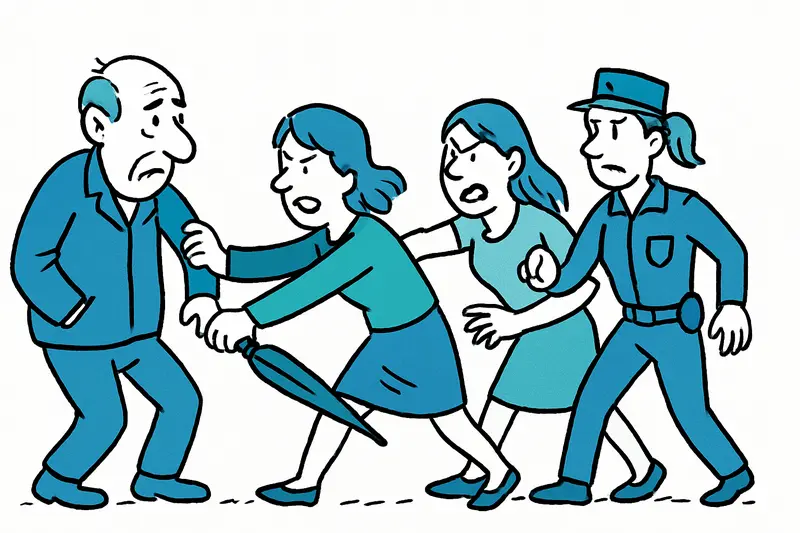
When the Wallet Becomes a Danger: Attack in Peguera and Lessons for Mallorca
In Peguera, two women are said to have stolen the wallet from a 75-year-old German couple. When the victim intervened, t...
Plata stays Plata: Young people take over, Llonguets remain
A small bar on Carrer de l'Argenteria will continue: Tolo Serra hands the place over to young Mallorcans at the end of t...
More to explore
Discover more interesting content

Can Cap de Bou

Townhouse Lleo 72
