
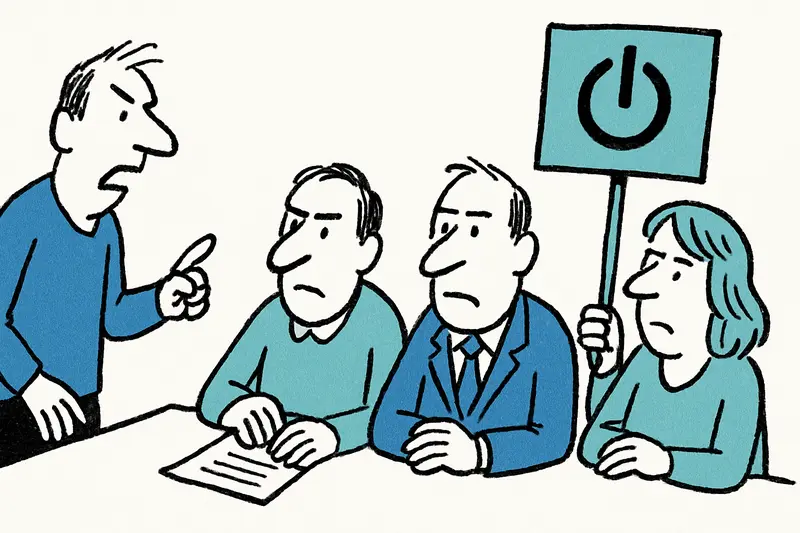
Mallorca: Works Council Debates Strike — Safety vs. Timetable?
Mallorca: Works Council Debates Strike — Safety vs. Timetable?
The works council of the rail company SFM calls a general assembly — after serious train accidents in Spain, demands for better maintenance and safer working conditions are rising. What is missing from the debate, how are commuters and tourism affected — and what solutions exist locally?
Mallorca: Works Council Debates Strike — Safety vs. Timetable?
Why a general assembly in Palma is more than an industrial dispute
On Monday the works council of Mallorca's rail company SFM will hold a general assembly. The occasion are the recent, nationally noticed train accidents on the Spanish mainland and the ensuing discussion about safety, maintenance and the working conditions of train drivers. At the same time, rail unions on the continent have announced strikes for 9 to 11 February; it is unclear whether Mallorca's drivers will join them. Other sectors have also seen disruptions, such as Ryanair Ground Staff Strikes: What Mallorca Needs to Know.
Key question: Can a possible strike improve safety — or will it plunge the island into unnecessary chaos affecting commuters, pupils and tourism? This question cannot be answered in one sentence. It is about more: about trust, transparency and technical standards that bring their own challenges on an island.
Anyone standing on Palma Estació in the morning knows the scene: coffee machines rattling, loudspeakers announcing the next departures, and holidaymakers with rolling suitcases mixing with regulars hurrying to work. A strike means for many: suddenly empty platforms, crowded buses, longer walks through the city — and conversation in the corner bakery about replacement services and compensation.
Critical analysis: The works council's demands — better maintenance, clearer safety standards and safe working conditions — are tangible. On an island like Mallorca, tracks, bridges and switches are more affected by salt-laden winds, temperature changes and seasonal traffic than on the mainland. If the public debate is reduced to talks of strikes or working-to-rule, the view of the causes is missing: Are maintenance intervals being kept? Is there enough spare material and personnel? Who independently oversees the work of the transport operators?
What is missing from the public discourse: concrete figures, timelines and responsibilities. The public hears demands and counter-demands, but hardly any transparent information about the condition of switches, signalling technology or the train fleet. The role of higher administrative levels — the island council, Balearic government, ministry — is also seldom discussed in detail: Who pays, who plans modernization, and how long do such projects really take?
There is another often overlooked issue: workforce planning. On Mallorca some services are extremely busy seasonally, while others run almost empty, a problem examined in More Staff for Mallorca's Trains: Is That Really Enough?. When staff are scarce, pressure on drivers and maintenance teams increases. Neither passengers nor regulators welcome that. And the question remains: Are internal audits sufficient, or are regular external safety inspections with published results necessary?
Concrete approaches that could be implemented immediately: First, a published maintenance register for the SFM network with annual reports on work carried out on vehicles and infrastructure. Second, involvement of independent experts for safety-relevant systems, with a clear timetable for upgrades. Third, a transitional agreement for possible strike days: replacement bus services, passenger rights and multilingual information at stations and online are feasible and would mitigate hardship — lessons reinforced by the reporting on the Ten Days of Bus Strike in Mallorca: How Long Can the Island Endure It?. Fourth, more staff for peak times through fixed-term contracts tied to a qualification programme for maintenance personnel.
Practical everyday measures: at stations, larger electronic displays and additional information teams could provide better orientation in the short term; at critical points such as the tunnel at Son Sardina, mobile maintenance teams should be on standby to quickly repair minor faults. Financial resources are needed — but they must be used purposefully and transparently, not just as short-term promises before headlines.
From the perspective of commuters and small business owners, one thing is important: decisions must not be made only at the negotiating table of two parties. Employees must be represented on safety committees, and binding deadlines for implementing measures are needed; recent negotiations that ended the bus strike, documented in End of the Bus Strike in Mallorca: A Compromise with Question Marks, show the limits of such deals. Only then is trust built — and that is ultimately what makes trains punctual and people arrive safely.
Punchy conclusion: A strike would be a clear signal, not an end in itself. It shows that workers no longer want to wait until something worse happens. At the same time the discussion must not be black-and-white: the island needs short-term precautions for possible work stoppages, but also a long-term plan for technical upgrades and transparent controls. Otherwise what remains is noise on the platform and no one knows who bears responsibility.
Frequently asked questions
Could a train strike in Mallorca affect commuters and tourists?
Why are Mallorca train workers talking about safety and maintenance?
What happens at Palma Estació during a train strike in Mallorca?
When do rail strikes in Spain usually affect Mallorca?
How do Mallorca’s weather and island conditions affect train maintenance?
What could replacement transport look like if Mallorca trains stop running?
What role do the Balearic authorities play in Mallorca’s rail upgrades?
What should passengers in Mallorca check before travelling on a strike day?
Similar News
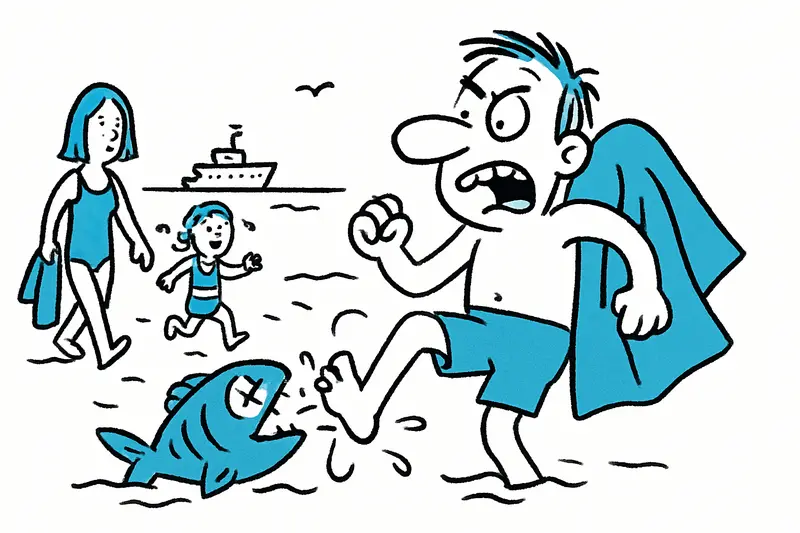
Warning to Bathers: Nipping Fish in Cala Major and Other Coves — a Reality Check
In Cala Major and several beaches around Mallorca, bathers report painful “nips”. Who are the animals, why are they gett...
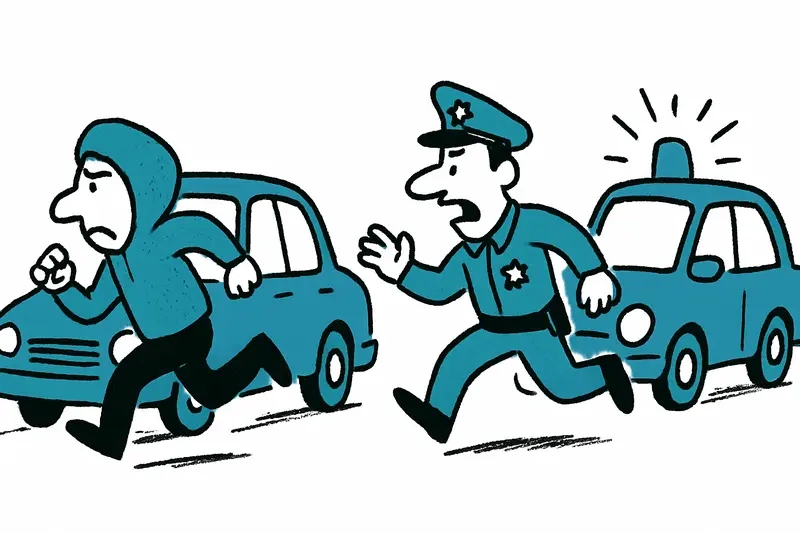
Rental Car Theft in El Arenal: What This Incident Reveals About Our Gaps
A teenager steals a running rental car in El Arenal, flees on foot, climbs over walls and is caught by the Guardia Civil...
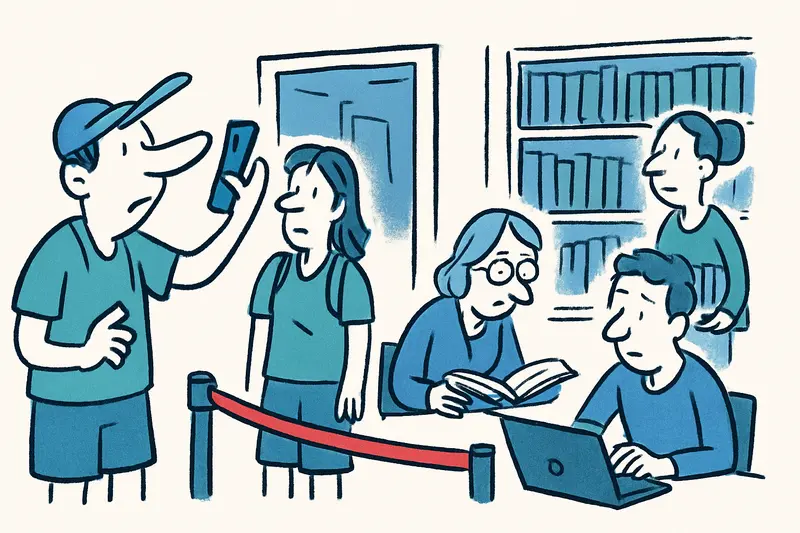
Red Rope in Palma's Library: What Helps Against Selfie Tourism — and What's Missing
Palma's city library cordoned off an area with a red rope to keep selfie tourism away from reading and working activitie...
Fort San Carlos: Museum, Harbor Dispute — and a Conflict That Demands Answers
The military museum at Fort San Carlos sits right on Palma's harbor, with unexpectedly quiet rooms filled with cannons a...
Old Town Under Pressure: When a Doorway Becomes a Sleeping and Shower Place
For months a woman has been living with a parasol, a clothes rack and personal belongings next to the social welfare off...
More to explore
Discover more interesting content

Can Cap de Bou

Townhouse Lleo 72
