
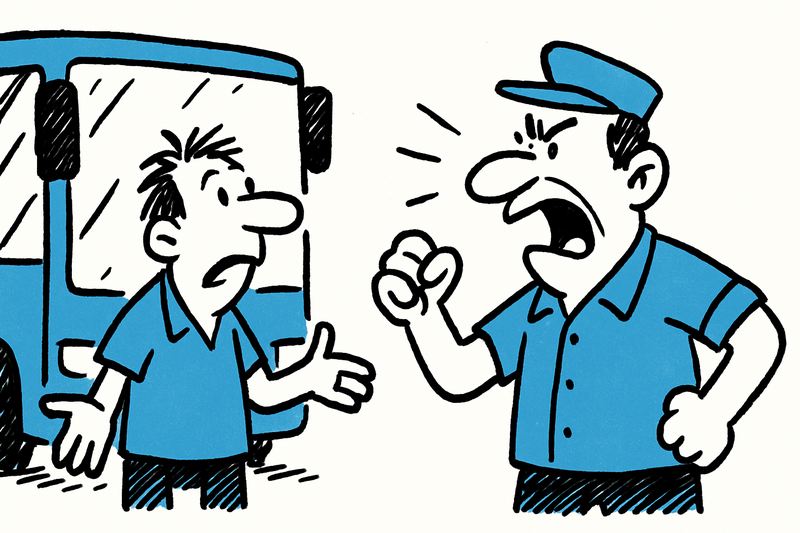
Ten Days of Bus Strike in Mallorca: How Long Can the Island Endure It?
The prolonged strike by intercity bus drivers has paralyzed Mallorca for ten days. Between failed negotiations, angry tourists and stranded commuters there is no realistic exit strategy. What is missing — and what could help now.
State of emergency on the roads
For ten days the familiar clattering of gears and brakes of ageing buses has been absent from Mallorca's streets; instead there is only the flutter of seagulls and hushed conversations by hotel pools. The nationwide strike of intercity bus drivers has turned the island into a traffic standstill: commuters, pupils, workers and tourists stand bewildered at stops from Palma to Alcúdia.
The union SATI speaks of a fiasco in the collective bargaining — employers allegedly "ran off like rats" just before an agreement, according to reporting on Bus strike in Mallorca: Why talks keep failing — and what might come next. The drivers' core demand: clear minimum rest periods between shifts, in line with EU rules on drivers' hours and rest periods. According to the union, employers and concession companies refuse to make these periods binding in the collective agreement. A simple sentence on paper — apparently an insurmountable obstacle.
More than just working conditions
The issue is more complicated than an angry tweet might suggest. It's not just about tired drivers and lack of sleep. Behind the conflict lie questions of responsibility, oversight and the business model of public transport in Mallorca. Companies operating concessions run on thin margins. Subcontracting, changing service providers and pressure to offer cheap tickets cut corners where safety and quality suffer.
The result: buses running irregularly, drivers accumulating overtime, and timetables that are no longer credible, a trend explained in When Buses Stay Empty: Why Mallorca Is Losing Drivers and How to Fill the Gap. For an island that depends on tourism, this is poison. Guests stranded at the airport or the beach are already murmuring, as reported in Second Wave of Strikes Hits Mallorca's Airports — Travelers Must Rethink Plans Now, that another destination might be more attractive next time.
What has been neglected so far
Three points are missing in the public debate: first, the role of contract design between the government and concessionaires, as outlined on the Balearic government's public transport concessions site. Tariffs and rest periods are not purely internal matters of companies if public service requirements are not enforced. Second, there is a lack of an emergency plan that goes beyond the statutory minimum service of 60 percent. Third, there is little discussion about how short-term alternatives could be financed: taxi vouchers, shuttle services or temporary bus licenses need money — and fast decision-making.
Prime Minister Marga Prohens has called for reflection and announced mediation. That is important. But words do not fix working-time problems, and media pressure does not replace legally sound, swift intervention.
Concrete steps that could help now
The situation demands pragmatic solutions, not just rhetorical appeals. First step: an independent arbitration with clear deadlines — an external mediator who negotiates labor, mobility and financial issues in parallel. Second step: a temporary mobility package for the population: discounted taxis for commuters, strengthened ferry connections on affected routes and coordination with hotel operators who can quickly organize shuttle services. Third step: short-term checks of operating hours and an examination of whether concession conditions need to be improved so that rest periods are not left to discretionary goodwill.
In the long term a Plan B is needed: the island must consider how to make public transport reliable — even if individual companies fail. This can be achieved through clearer concession contracts, better control mechanisms and public investment in driving staff and infrastructure.
Between anger and solidarity
At the edges of the stops you can see both: angry tourists moving on and residents who explicitly support the strike. A "war chest" of the union shows how serious the situation is for the drivers. You hear statements like, "We can no longer drive under these conditions." But you also see travelers enduring 35-degree heat while the sea remains temptingly calm.
The central question remains: how long can Mallorca sustain this state of emergency without losing credibility? And: who will take short-term responsibility if the negotiating parties do not give way? A mediator could bring both sides to the table. Until then, people on site need pragmatic solutions that can no longer wait for words.
When the church bells of Palma are once again drowned out one morning by punctually arriving buses, we will know a deal has been reached — see coverage of similar outcomes in End of the Bus Strike in Mallorca: A Compromise with Question Marks. Until then the island remains nervous, loud and a little helpless — a state that both Mallorcans and visitors are fed up with.
Frequently asked questions
How is the bus strike affecting travel in Mallorca right now?
Why are Mallorca bus drivers on strike?
What should I do if my bus in Mallorca is cancelled during the strike?
Are there any emergency transport alternatives in Mallorca during the bus strike?
Which parts of Mallorca are hardest hit by the bus strike?
Can I still get from Palma to other parts of Mallorca without a bus?
What is the Mallorca government doing about the bus strike?
Is it still a good time to visit Mallorca during the bus strike?
Similar News
Why the Striped Breams in Cala Pí Should Be a Wake-up Call
Once again bathers in Cala Pí were surrounded while swimming by small, nippy fish — some wounds bled. Time for clear rul...
Daily from New York: How Palma's Air Traffic Is Growing — and What Must Change
United will increase the Newark–Palma service to daily flights in 2027 (Boeing, 231 seats). Strong tourist numbers clash...

When Love Ends in Shards: Destruction in Son Vida and the Questions That Remain
In Son Vida a relationship dispute escalated: a woman destroyed furniture in a luxury villa, later pressed a panic butto...

Who Bears the Burden? Mallorca Between Tenant Protection and Landlord Fears
Madrid's new housing decrees strengthen tenant rights — but on Mallorca concern is growing: will the law drive small lan...
On the Edge: What Mallorca's Airport Loses If a Major Low-Cost Carrier Falters
The company that operates numerous connections from Palma to France and domestically is negotiating with creditors to re...
More to explore
Discover more interesting content

Can Cap de Bou

Townhouse Lleo 72
