
Dead E-Scooter Rider in Alcúdia: Roads, Lighting and Protection — the Uncomfortable Questions
A man crashed at night on the Carretera de Artà while riding an electric scooter. Witnesses complain about potholes and poor lighting. Is our infrastructure to blame?
An evening, a siren, far too many questions
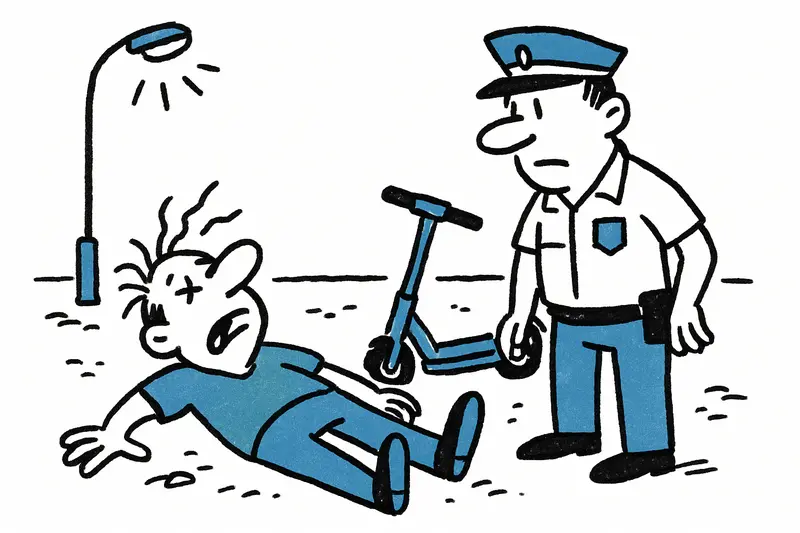
Yesterday at around 9:30 p.m. the quiet evening atmosphere along the Carretera de Artà near Alcúdia was abruptly interrupted: a man lost control of an electric scooter, struck the asphalt and died at the scene. Rescue services, an emergency doctor and the fire brigade rushed to the scene; resuscitation attempts were unsuccessful. The Guardia Civil has taken over the investigation; the identity of the deceased has not yet been officially released, as reported in 66-year-old dies after an e-scooter fall in Alcúdia.
Witnesses: no helmet, poor road, flickering streetlights
Passersby who stopped shortly after the accident report a scene that unfortunately feels familiar to many Mallorcans: no helmet, many potholes along the route and lighting that is more flicker than safety. "The road looks like Swiss cheese," said a woman walking her dog. Another resident added: "The streetlights were flickering; you can't see much out here at night."
Such impressions are more than anecdotes. They raise the central question: is the main cause of this accident rider error — or are structural deficiencies repeatedly putting people at risk, a question explored in Fatal accident in Alcúdia: Who is responsible — and what needs to change??
Less illuminated: priorities and short-term repairs
Public debate is often dominated by two topics: the rider's responsibility (helmet, speed) and the scooter's technology. These discussions gained further attention after a serious e-scooter accident in Palma. What is hardly noticed is how road maintenance, municipal priorities and visible night lighting interact. Mallorca has many narrow side roads that are barely lit at night; potholes form more quickly here because rain, sun and tourism place greater strain on the infrastructure.
Short-term patchwork alone does not help if it is never embedded in comprehensive maintenance plans. Added to this: reporting systems for dangerous spots exist but are not always used or lead to long waiting times. For residents this often sounds like a silent compromise with an island that is booming and creaking at the same time.
Which measures would really help?
The problem is complex; the solutions should not be. Some concrete, immediately implementable steps that could significantly reduce accident risks — especially at night:
1. Prioritised repair lists: Dangerous sections reported by citizens and emergency services must be given priority in road maintenance. A digital map with real-time reports could help.
2. Improved lighting: Targeted upgrades to street lighting at accident hotspots; efficient LED solutions reduce costs and increase visibility.
3. Helmet campaigns and controls: Prevention through information campaigns, complemented by random checks — especially at night.
4. Maintenance checks for e-scooters: Providers and rental companies must demonstrate regular checks of brakes, lights and tyres; for private users, simple checklists should be made publicly available.
5. Temporary protection measures: In cases of acute repair backlogs, warning signs, reduced speed limits and mobile lighting could help in the short term until lasting repairs are carried out.
Why this concerns everyone here
In Alcúdia people know the sounds of the night — dogs, waves, an occasional car, voices from bars. Sirens are not one of them. When someone dies on their way home, it affects a neighbourhood that wonders whether enough was done to keep these routes safe. It is not only the individual’s responsibility; it is also the duty of municipalities and the island administration to organise roads, lighting and reporting systems so that such tragedies become rarer.
Practical advice and an appeal
Short term: Wear a helmet at night, check lights and brakes before every ride, and report potholes immediately — online or by phone to the municipality. Anyone who saw anything is asked to contact Policía Local Alcúdia or the Guardia Civil.
Our thoughts are with the relatives of the deceased. Investigations are ongoing; the public deserves clear answers in the end: was it an accident due to personal responsibility or a failure of infrastructure — or both? The discussion on the island should not fade away with the mourning, but lead to concrete improvements.
Frequently asked questions
Is it safe to ride an e-scooter in Mallorca at night?
What should I check before riding an e-scooter in Mallorca?
Are potholes and bad road conditions a problem for e-scooters in Mallorca?
When is the best time of year to ride an e-scooter in Mallorca?
What should I do if I see a dangerous pothole or broken streetlight in Mallorca?
What happened on the Carretera de Artà near Alcúdia?
Is street lighting in Alcúdia good enough for night traffic?
What safety measures could reduce e-scooter accidents in Mallorca?
Similar News

When coercive fines aren't enough: Could holiday rental owners soon face prosecution?
The island administration is stepping up action against unauthorized holiday rentals: high daily coercive fines up to €5...

Palma Airport on an Expansion Course — Who Decides How Much Growth the Island Needs?
Aena and Madrid are planning multi-million euro investments for Son Sant Joan and project higher capacities. Concern is ...
Who Gets Left Out? Why Overbookings Will Hit Many Mallorca Travelers This Summer
On hot check-in days at Son Sant Joan, frustrated travelers pile up. New figures from Reclamador.es show that a large sh...
When the Handyman Came: How an Engagement Ring Disappeared in Mallorca and What It Says About Trust
During a repair in Andratx a highly personal engagement ring went missing — a case that calls not only for punishment bu...
How Burglars Test Fincas in Mallorca — and What You Can Do About It
The Spanish National Police warn of a simple but effective trick: small markings on doors reveal whether a finca is occu...
More to explore
Discover more interesting content

Can Cap de Bou

Townhouse Lleo 72
