
Serious E-Scooter Accident in Palma: More Than Just an Accident?
A 25-year-old e-scooter rider was seriously injured on Calle Eusebi Estada. Why do such accidents keep happening in Palma — and what needs to change?
Serious Accident on Calle Eusebi Estada: A Wake-Up Call for Palma
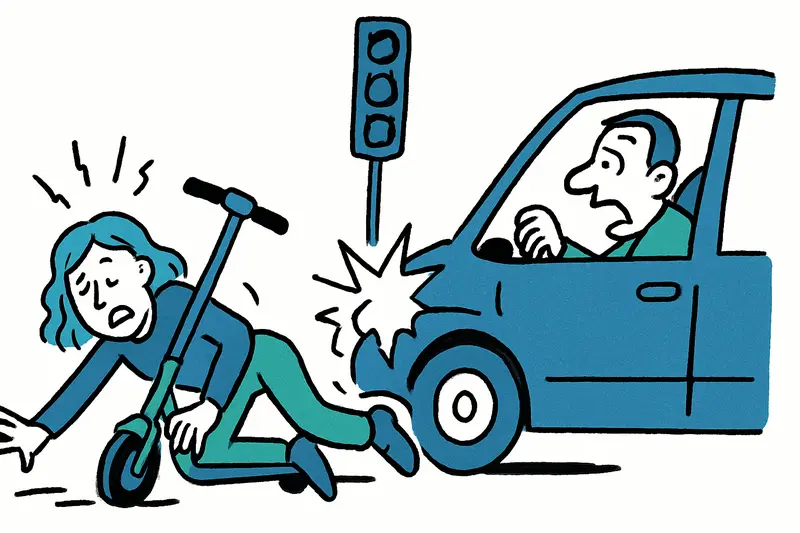
On the early morning of November 13, a short intersection in Palma turned the everyday commuter chaos into a silent moment of shock: on Calle Eusebi Estada a car collided with a 25-year-old e-scooter rider. Witnesses speak of a loud impact, screeching tires and the typical sirens that cut through the November air. The woman was taken to hospital with serious injuries; the police are investigating.
The brief account of what happened reads almost like a bad dream: at around 8:15 a.m. the rider is said to have entered the intersection on a red light. She apparently wore no helmet and no noticeable reflectors. Whether this increased the severity of her injuries is one of several questions now on the table.
More Than an Accident — a Symptom
Such incidents do not occur in a vacuum. In Palma, where the morning wind from the sea often still brings a cool saltiness and the streets slowly wake after the night's quiet, e-scooters feel to many like a practical solution: fast, flexible, cheap. But cities do not adapt to the new traffic reality overnight. At many intersections there is no clear separation between cars, bikes and scooters; markings are faded, traffic light timing is set for pedestrians and cars, not micromobility.
One aspect that rarely makes the headlines is the allocation of responsibilities. Who ensures that rented scooters are technically safe? Who checks whether users were informed about traffic rules before riding? And: how do city planning, the police and providers coordinate so that these vehicles are safely integrated into traffic, as discussed in Dead E-Scooter Rider in Alcúdia: Roads, Lighting and Protection — the Uncomfortable Questions?
Enforcement, Infrastructure, Culture — the Three Construction Sites
First: enforcement. The Policía Local is present, but not everywhere at once. At critical intersections like Calle Eusebi Estada authorities often react rather than proactively regulate. Second: infrastructure. A network of clearly marked bike and scooter lanes would be obvious — but that requires space and planning. Some residents want exactly that, others fear losing parking spaces. Third: a culture of protection. Helmets, reflectors and defensive riding are not matters of fashion but lifesavers. In Palma awareness is still too fragmented: some wear helmets, many do not.
Then there is the question of speed limits and technology: some e-scooters can reach speeds that are dangerous in urban areas. Could mandatory speed limiters in sensitive zones help? Probably yes — but that would require coordinated action by the city and providers.
What to Do? Concrete Steps Instead of Good Intentions
The discussion must not stop at emotional appeals. Mallorca needs concrete, feasible measures. Proposals that could show immediate effect:
- Targeted police presence: Checks at accident hotspots and during peak hours — not just speed cameras, but focused on on-site education.
- Visible protection requirements: Mandatory reflectors and a strong recommendation or even loan helmets at rental stations. A small hurdle, a big effect.
- Infrastructure prioritization: Faster creation of protected bike/scooter lanes on main routes and at intersections with high conflict potential.
- Technical restrictions: Geofencing and speed limits in sensitive zones — parking areas, pedestrian zones, school routes.
- Transparency and data: A unified reporting and data system for micromobility accidents so politics and administration can act in a targeted way.
A Collective Task
Alongside the authorities, it is neighbors, commuters, bus drivers and delivery workers who share the streets every day. The images from the accident — people covering the injured woman with a blanket, the smell of diesel, the flashing warning lights — stay in the memory. They are also an incentive: for more consideration, better planning and more decisive action.
The police ask for witness statements and video material to clarify the sequence of events. Many in the neighborhood hope for the injured woman's recovery. For Palma, the task remains to learn from this misfortune and make the city a bit safer. One second of inattention is enough, but together we can make sure it is not. Incidents collected in Serious Traffic Saturday: Cyclist Dies in Selva, Motorcycle Crash in Sóller Tunnel further underline the need for prompt action.
Practical advice at the end: If you ride a scooter in Palma: wear a helmet, turn on lights, use reflectors. And if you drive a vehicle: widen your field of view — small riders are often hard to see; similar issues are illustrated in Helmet on the handlebar, man dead: What the e-scooter accident in Alcúdia reveals.
Frequently asked questions
What happened in the e-scooter accident on Calle Eusebi Estada in Palma?
Are e-scooters safe to ride in Palma?
Do you need to wear a helmet on an e-scooter in Mallorca?
What should I check before riding a rental scooter in Mallorca?
Why do e-scooter accidents happen so often in Palma?
Which area in Palma was involved in the recent scooter crash?
What can Palma do to make e-scooters safer on the road?
What should drivers in Palma watch out for when sharing the road with e-scooters?
Similar News
The End of the Cheap Ride? Why Mallorca Is Hit Harder by the Fuel-Price Shock
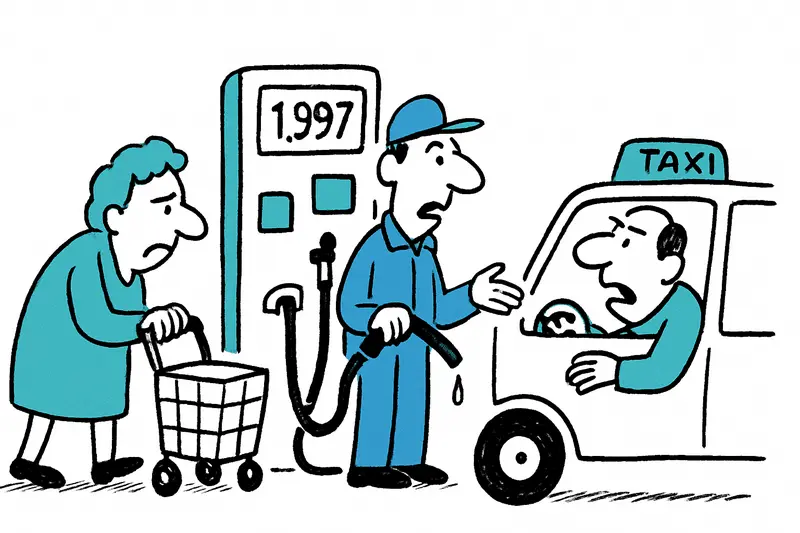
Gasoline and diesel average close to two euros per liter. What this means for commuters, supply chains and renters in Ma...
Relaxed liquid rules in Munich: What Mallorca travelers will notice
At Munich Airport the 100-milliliter rule will be lifted at all checkpoint lanes — thanks to new CT scanners passengers ...
For 45 Years on Mallorca — and Then This: How a Market Visit in Santa Ponsa Became a Lesson
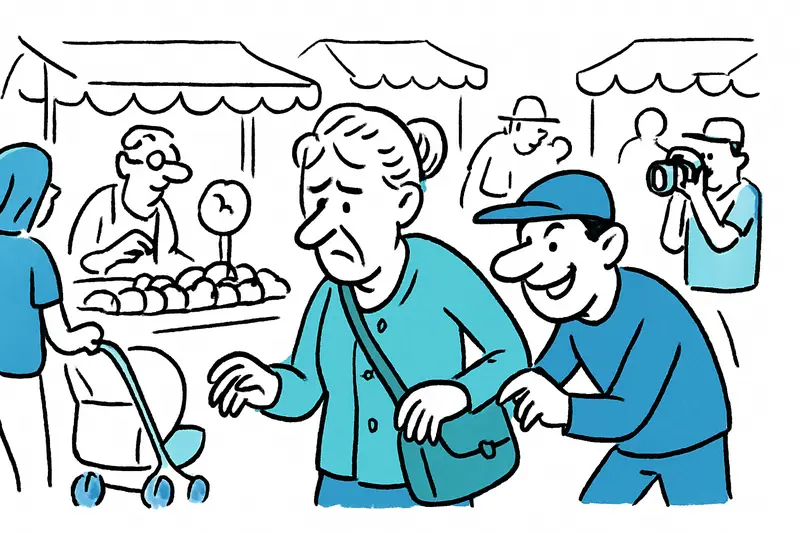
A woman who has lived on the island for decades lost money and important documents at the Mercat Setmanal in Santa Ponsa...
10 percent surcharge on the beach: How legal and transparent is the extra charge at Playa de Muro?
A German part-time resident noticed days after a restaurant visit in Playa de Muro that the bill included a flat ten per...
Body near the Llevant Market: What this death says about our city
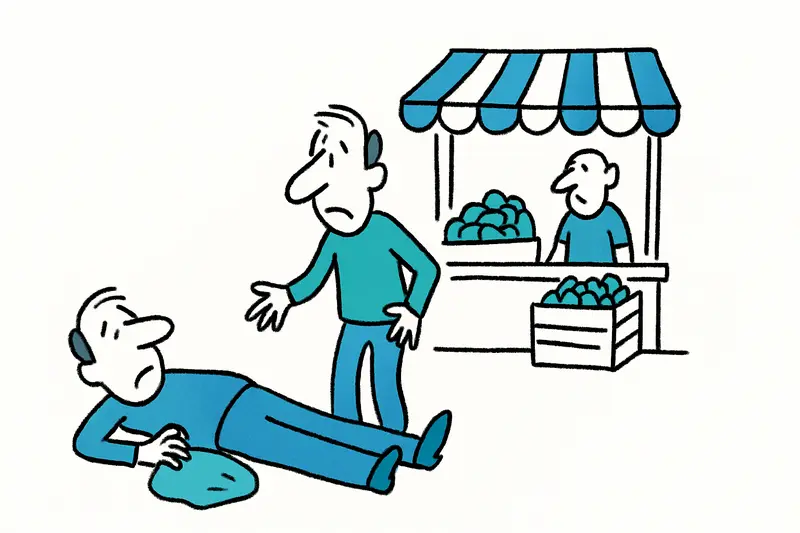
A man was found dead on Sunday afternoon near the Llevant Market. Police say the death appears natural. The scene raises...
More to explore
Discover more interesting content

Can Cap de Bou

Townhouse Lleo 72
