
Interactive maps, apps and an open secret: How to pay less at the pump in Mallorca
Fuel prices vary widely in Mallorca — between the airport and the island interior there are often several cents difference. What can drivers really do? A critical assessment with practical tips from Palma and the island interior.
Interactive maps, apps and an open secret: How to pay less at the pump in Mallorca
Key question: Why do drivers in Mallorca often pay significantly more — and how can this be avoided without much effort?
Early in the morning, when the MA‑13 is still empty and the attendant at the petrol station on the outskirts of Palma takes the first coffee break, you can hear the steady click of the fuel nozzles. The sound is familiar, but you still have to pay — and the amounts vary greatly. Between a station near Inca and one at the airport, there can be several cents per liter difference within a few kilometers. The question is: Is that only due to crude oil prices or is there more behind it?
Briefly analysed: international oil quotations and geopolitical uncertainties influence the raw material component. In addition come refining and logistics costs as well as taxes, especially Spain’s specific hydrocarbon tax and value-added tax. A not insignificant part, however, is determined locally: land costs, staff, service offerings and the pricing strategy of the operators. Especially in tourist-heavy access zones you pay for convenience — locals notice this on the drive along the Avinguda de les Drassanes or when approaching the airport, and New Traffic Signs in Mallorca: Smaller Design, Clearer Signals show how municipalities are already marking service points.
What is often missing in public debate: a clear breakdown of how large the individual margins actually are. Refuelling is treated as an individual sport — consumers pile up apps, compare prices while driving by, and accept price shocks. Transparency about individual operators’ markups is largely lacking; municipal interventions or accompanying measures, such as a mandatory price display at town entrances, are rarely discussed. For a recent example of local price differences see Cheap refueling in Son Bugadelles: €1.408 per liter — what neighbors should know now.
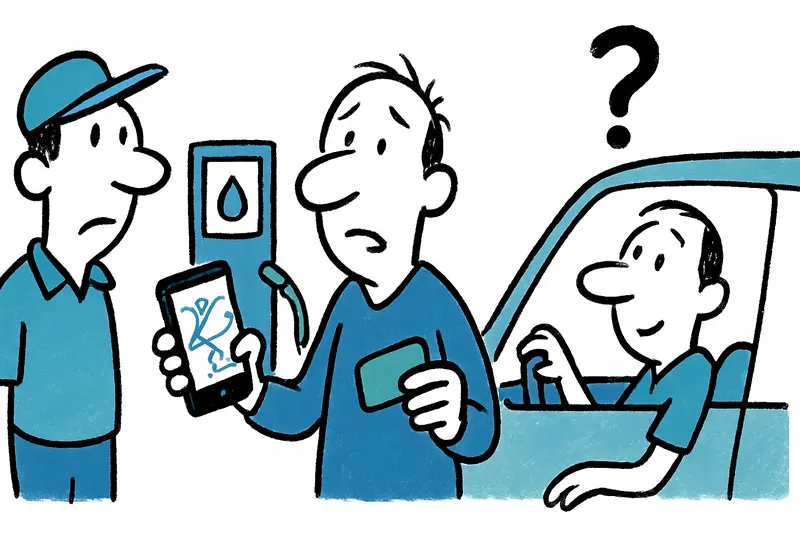
Everyday scene: On a Saturday afternoon an older woman stands at the pump in Sa Pobla and looks at her smartphone. The app shows three possible stations nearby. Next to her a father laughs with two children who still have fry crumbs in the car; for him time matters more than a few cents saved. Scenes like these shape the island: some save minutes, others save euros, and tourists face other price pressures as explained in Why Rental Cars in Mallorca Have Become Noticeably More Expensive — and What You Should Know.
Concrete solutions that anyone can apply immediately: First: use the official list from the Spanish ministry responsible for the environment — it provides current prices of all stations in Spain and is the most reliable basis. Second: plan routes with price filters. Some apps automatically read the ministry’s data and show the cheapest station along the route; a small detour on the MA‑13 can pay off. Third: consider time windows — large retailers sometimes cut prices early on weekdays or at night when deliveries arrive. Fourth: check loyalty cards and bundle offers; regular customers of the same chain often receive discounts at the till or reductions on supermarket purchases. Fifth: change driving habits — check tyre pressure, remove unnecessary roof racks and drive anticipatively to save fuel in the long run.
What local politicians could do: increase transparency with clearly visible price lists at main access roads, carry out targeted checks on unfair price jumps in tourist centres and provide better information for commuters about cheap times and places. Such measures do not require a technical miracle, but administrative will and a little space on the town sign.
A small, practical tip for Mallorcans: create a favourites list in a price-comparison app — for example your regular Palma–Inca route or the station near your workplace. A notification when prices drop can save hundreds of euros over a year. Carpooling with a neighbour or loading the trunk less often also reduces costs.
Conclusion: Refuelling in Mallorca is not a game of chance, even if it sometimes feels like one. Raw material prices set the framework, but transparency and clever behaviour can shift the result significantly in your favour. Those who plan their route, use apps and adjust everyday habits can cushion the effect of rising quotes. And maybe then on the MA‑13 we’ll again hear only the lap of the Mediterranean in the distance — and fewer quiet complaints about the pump.
Frequently asked questions
Why is petrol often more expensive in Mallorca than in other places on the island?
How can I find the cheapest petrol stations in Mallorca?
Is it worth driving a little further to refuel in Mallorca?
When is fuel usually cheaper in Mallorca?
What practical things can I do to use less fuel in Mallorca?
Are petrol stations near Palma Airport usually more expensive?
Does the official fuel price list in Spain cover Mallorca stations?
Can loyalty cards help me pay less for fuel in Mallorca?
Similar News
Released with Conditions: The Plus Ultra Suspicion and a Mallorcan Finca as Residence
A Dutch entrepreneur, sought in connection with the Plus Ultra case, was extradited to Spain after his arrest in Germany...

Haute Nuit in Puerto Portals: Fashion, Art and Indulgence by the Water
On October 2 the Lobster Club in Puerto Portals will be transformed into a stage for curated fashion, art and culinary e...

Magaluf: Watchtower Alarm – Lifeguards Pull Unconscious Beachgoer from the Water
After a drama in the late afternoon, two lifeguards at Magaluf beach rescued an unconscious 44-year-old man. He was stab...

Turquoise in the City: How dangerous is the color play of the Sa Riera?
The Sa Riera in Palma suddenly turned turquoise — a pretty motif, but behind the effect lies a discharge of saline waste...

Jeckliner at Sunnesching: Cologne spirit sets sail from Palma
In September 2027 the Mein Schiff 2 briefly becomes a floating carnival stage: four days with Cologne bands, comedy and ...
More to explore
Discover more interesting content

Can Cap de Bou

Townhouse Lleo 72
