
Living on the Edge of the Law: Eleven Illegal Shelters in Manacor as a Wake-up Call
During an inspection on a fenced property on the outskirts of Manacor, the National Police found eleven makeshift shelters. The discovery reveals not only dangerous living conditions but also structural blind spots in the island's housing provision.
Living on the Edge of the Law: Eleven Illegal Shelters in Manacor as a Wake-up Call
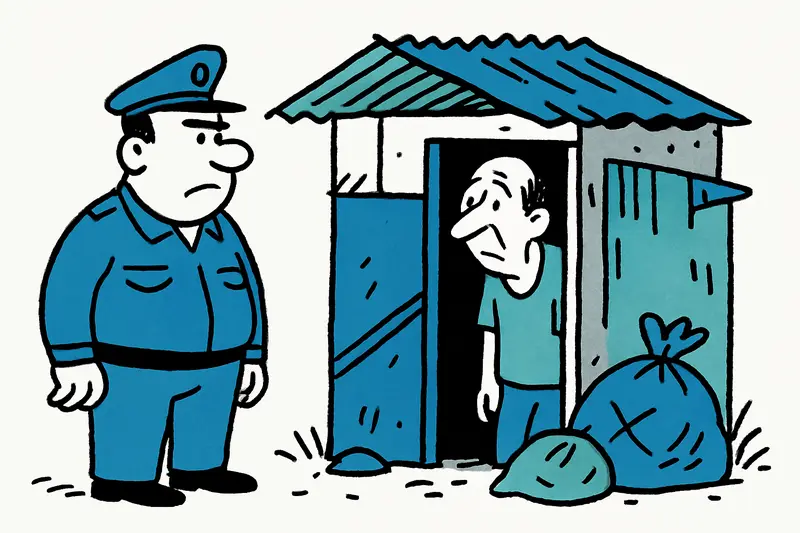
Late in the morning, as the church bells in Manacor were still signalling the end of mass and the air carried the smell of wet earth after yesterday's shower, the National Police discovered a total of eleven makeshift shelters on a fenced plot on the town's outskirts. The find did not come as a surprise to the neighbourhood: tips from residents had led officers to the site. There, a scene unfolded that sums up the painful reality of the housing issue in Mallorca: hastily built rooms, barely any electricity, communal sanitary areas and a lot of rubbish.
The central question: Does our system protect people or enable exploitation?
This raid raises a simple but uncomfortable question: How can people be forced to live like this despite the obvious dangers — and how can landlords apparently still demand payment? The public prosecutor has now initiated proceedings against the landowner; investigators point out that fines for breaches of housing and building regulations can, in severe cases, reach €90,000 per dwelling. That highlights the legal side, but the social front remains open: Who protects the residents in the short term and prevents similar cases in the long term? This legal and social dilemma also reflects wider homelessness pressures in the region, such as the growing number of homeless people in Palma.
What the inspection revealed: faulty systems, little privacy
Police found dilapidated wiring, partly exposed cables and a lack of safety measures. Several huts had no running water and no functioning toilets. Showers were used communally outside the individual units. Rubbish and organic waste were scattered around; in some corners there was a strong odour. Neighbours reported occasional noise and the rustling of plastic tarpaulins when the wind blew across the property. One local summed it up: "People had heard it for a long time, but they didn't know who lived there. Now it's out."
More than an isolated case: examine structural causes
The discovery in Manacor is symptomatic. In Mallorca, rising rents, scarce supply and seasonal labour flows converge. Low-income earners, seasonal workers and migrants without stable protection look for affordable places to sleep — and sometimes end up in such makeshift accommodations. Less attention is paid to how employers, intermediaries and grey areas in rental law enable this dynamic. Seasonal contracts, limited municipal enforcement capacity and the supply of housing outside regulated markets create loopholes for exploitation; similar dynamics have been documented in reports on Pastilla's makeshift tent camps.
What is often missing: preventive inspections and social contact points
Cities and municipalities are usually reactive when it comes to detecting illegal accommodations. Inspections occur when complaints are filed, not continuously. At the same time, social services are often underfunded and overburdened. This results in a lack of low-threshold offers for those affected: emergency shelters, multilingual advice, and clear contact points for migrant workers who accept unofficial housing. The outcome is a system that rewards vulnerability — pushing people into risky situations.
Concrete steps instead of mere threats of punishment
The raid must not remain purely a legal matter. The police result is important, but equally decisive is what happens to the people involved. In the short term, authorities must ensure that the residents receive safe accommodation: emergency shelters, housing assistance or temporary places in municipal facilities. Social services should quickly assess on-site whether families, seasonal workers or other groups are affected and what support they need.
In the long term, Mallorca needs a mix of measures: regular inspections in known problem areas, a municipal rental register tied to sanction mechanisms, and stronger oversight of intermediaries and employers who provide housing. Subsidy programmes for affordable housing and cooperation models with agricultural and tourism businesses could help organise seasonal shortages more humanely. Local information campaigns in several languages and mobile teams for inspections at hotspots would also be sensible.
Who pays the price — and who pays for solutions?
The cost question must not be left out of the debate. Heavy fines hit property owners but are effective only if consistently enforced and if revenues are channelled into prevention measures and alternative accommodation. It would be a poor consolation if high penalties were imposed while those affected remained on the street or returned to similar conditions.
A wake-up call for politics and the neighbourhood
For the neighbourhood, the discovery was an alarm signal: not a luxury problem, but one that can grow in quiet streets over years. Authorities, associations and landlords are now called upon to act. It's not just about sanctions, but about clear rules, regular inspections and social policies that prevent people from ending up in dangerous, illegal dwellings. As long as action is only reactive, the risk remains that this raid will be only one episode in a longer sequence.
I will continue to follow whether the investigations lead to significant penalties — and above all, whether the affected people are given a real prospect. Because housing in Mallorca must not be a trap.
Frequently asked questions
What happens when police discover illegal housing in Mallorca?
Why are illegal shelters still appearing in Mallorca?
Are illegal dwellings in Mallorca dangerous to live in?
What should I do if I suspect an illegal shelter near my home in Mallorca?
What happens to the people living in illegal shelters after an eviction in Mallorca?
How much can owners be fined for illegal housing in Mallorca?
Is Manacor seeing more housing-related abuse and illegal accommodation?
What could help prevent illegal shelters in Mallorca?
Similar News

Why the Striped Breams in Cala Pí Should Be a Wake-up Call
Once again bathers in Cala Pí were surrounded while swimming by small, nippy fish — some wounds bled. Time for clear rul...

Daily from New York: How Palma's Air Traffic Is Growing — and What Must Change
United will increase the Newark–Palma service to daily flights in 2027 (Boeing, 231 seats). Strong tourist numbers clash...

When Love Ends in Shards: Destruction in Son Vida and the Questions That Remain
In Son Vida a relationship dispute escalated: a woman destroyed furniture in a luxury villa, later pressed a panic butto...

Who Bears the Burden? Mallorca Between Tenant Protection and Landlord Fears
Madrid's new housing decrees strengthen tenant rights — but on Mallorca concern is growing: will the law drive small lan...

On the Edge: What Mallorca's Airport Loses If a Major Low-Cost Carrier Falters
The company that operates numerous connections from Palma to France and domestically is negotiating with creditors to re...
More to explore
Discover more interesting content

Can Cap de Bou

Townhouse Lleo 72
