
Mario Adorf and Mallorca: A Final Farewell from the Island
Mario Adorf and Mallorca: A Final Farewell from the Island
Actor Mario Adorf has died at the age of 95 in Paris. His relationship with Mallorca was casual, shaped by film shoots, short stays and memories of earlier film times. A look at what the island means for such life stories.
Mario Adorf and Mallorca: A Final Farewell from the Island
Mario Adorf died at the age of 95 in his apartment in Paris. The news has prompted, here on Mallorca, above all a quiet remembering of past film years, of shoots and encounters that brought the island and cinema together. Adorf's relationship to the island was never close—rather one made up of short stays, work assignments and occasional meetings.
Those who look closely can find traces: in 1959 Adorf is documented to have worked on Mallorca, together with colleagues like Hardy Krüger and Horst Frank. Such shoots wrote stories into small coves, hotels and streets before the island became mass tourism. There are also photos and anecdotes showing him dining with actor Lex Barker—scenes one can easily imagine today in a bar by the harbor.
When people think of Mario Adorf, some recall roles that are still quoted today. In the TV series "Kir Royal" he played a construction entrepreneur whose nickname often appears in discussions about greed and building. Such characters help make actors more than faces on the screen: they become reference points for conversations about culture, society and places like Mallorca.
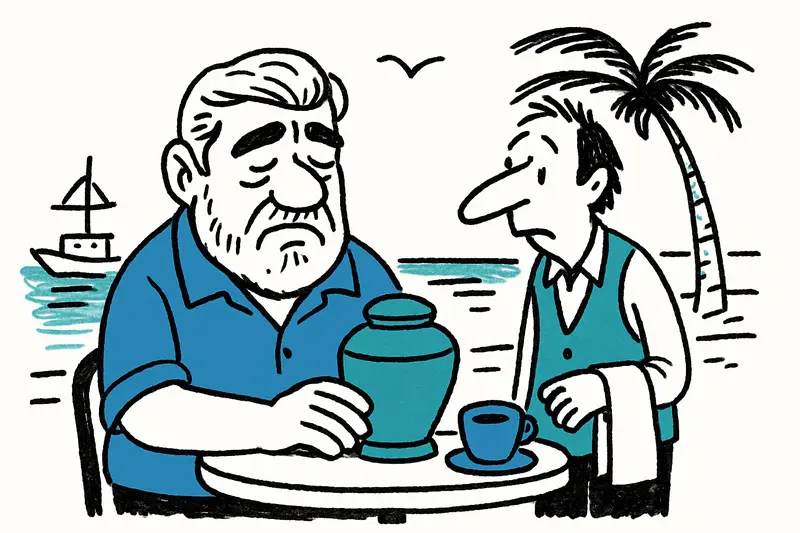
On the island itself the image remains calm. On Passeig Mallorca, behind the Teatro Principal, older Mallorcans sit this morning, watching rolling suitcases, hearing the rattle of motorcycles and chatting a little about cinema. A waitress brings two café con leche and says she remembers film crews who lived here decades ago—not as permanent residents but as guests who left traces: faces, stories, occasionally a photo.
Privately, Adorf had been living in Paris recently; his wife Monique found him dead in their shared apartment. According to those close to him, his longtime manager Michael Stark had visited not long before. Adorf is said to have thanked his audience—for their loyalty over decades. Such gestures are typical for careers that resonate across generations: they do not end with the credits but live on in the memories of the audience.
Why is this relevant for Mallorca? Because the island has been a place for decades where international culture meets local life. Films and filmmakers have helped shape Mallorca: they brought work and spotlights to places otherwise known mainly to locals. Today, when walking through small villages or along the promenade, one encounters the aftereffects of these encounters—in conversations, in anecdotes, in occasional festival series and photo exhibitions.
The news of Adorf's death is not a loud farewell but rather a page turned back in a photo album. It reminds us that the island does not only produce postcard motifs but is also part of many biographies—sometimes prominent, often quiet. For local small cinema operators, for filmmakers and for people who love cinema, such life stories are a reminder why cultural preservation matters.
A small practical thought remains: places where films were shot could be mentioned more often on plaques, in city tours or at cultural evenings. This is not a moral demand but a suggestion for how memories can remain alive and how visitors as well as locals can discover an extra layer of stories, as other pieces on Mallorca's film history recount—Robert Redford: la isla en la que encontró su fuerza and Despedida de Gottschalk: Cómo la arena de Palma se convirtió por un tiempo en escenario veraniego alemán.
In the end we sit again on the Passeig, hear the seagulls, see the sun on the roofs of the old town and realize: Mallorca collects stories—quietly, little by little. Mario Adorf now belongs to those whose paths briefly crossed the island. It is no grand performance on the screen anymore, but a place in the island's everyday memory book. And that is, in our noisy times, a warm little thing.
Frequently asked questions
What was Mario Adorf's connection to Mallorca?
Was Mario Adorf ever filmed in Mallorca?
Why do people in Mallorca still talk about old film shoots?
What place in Palma is mentioned as part of Mallorca's film memory?
What is the best time of year to explore Mallorca's film locations?
Can you still find traces of old movie shoots in Mallorca today?
What should I know before visiting Mallorca for cinema-related sightseeing?
Why is Mario Adorf remembered in Mallorca after his death?
Similar News
Palma, Palma de Mallorca, Palma‑Mallorca: What is it really about?
The debate over the city's name is more than grammar: it concerns identity, law and branding policy. A sober reality che...
Warning to Bathers: Nipping Fish in Cala Major and Other Coves — a Reality Check
In Cala Major and several beaches around Mallorca, bathers report painful “nips”. Who are the animals, why are they gett...

Rental Car Theft in El Arenal: What This Incident Reveals About Our Gaps
A teenager steals a running rental car in El Arenal, flees on foot, climbs over walls and is caught by the Guardia Civil...

Red Rope in Palma's Library: What Helps Against Selfie Tourism — and What's Missing
Palma's city library cordoned off an area with a red rope to keep selfie tourism away from reading and working activitie...

Fort San Carlos: Museum, Harbor Dispute — and a Conflict That Demands Answers
The military museum at Fort San Carlos sits right on Palma's harbor, with unexpectedly quiet rooms filled with cannons a...
More to explore
Discover more interesting content

Can Cap de Bou

Townhouse Lleo 72
