
Red Paint, Protest, and the Debate over Sa Feixina: What's Missing in the Conversation?
Red Paint, Protest, and the Debate over Sa Feixina: What's Missing in the Conversation?
Around 200 people protested on 24.05.2026 in front of the Consolat de Mar against a right-wing rally at the Sa Feixina monument. The action was peaceful and the demand was clear: demolition of the monument. What is missing in the public discourse, which everyday scenes dominate the square, and which steps would actually help — a critical reality check.
Red Paint, Protest and the Debate over Sa Feixina
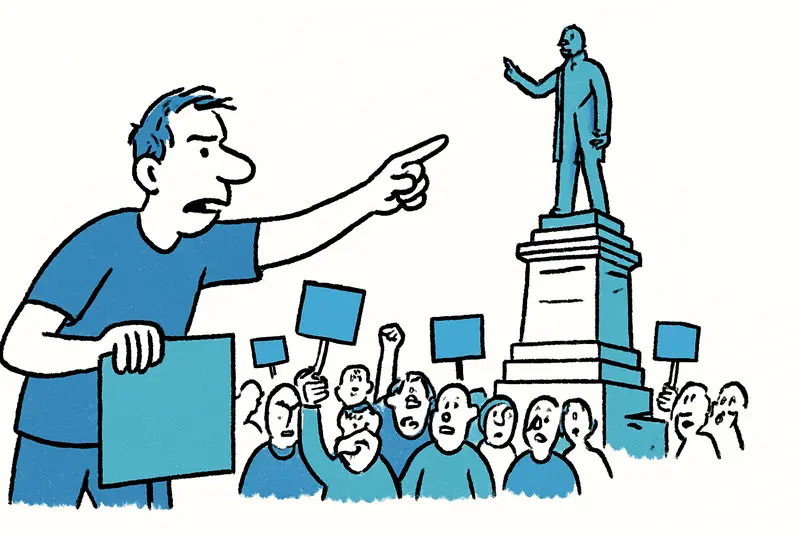
Yesterday's scene in front of the Consolat de Mar was clear: around 200 people, chants against racism and fascism, and red paint in the basin of the Sa Feixina monument. Protesters again demanded the demolition of the monument. At the same time, a right-wing rally took place at the same site, which was the reason for the counter-event. According to observers, the action was peaceful, yet the images — red water, placards, people of different ages, some with umbrellas, others in T-shirts and sunglasses — lingered like an unpleasant smell from the sea that still hangs in the wind on some corners of Palma.
Key Question
The key question is simple but uncomfortable: How does Palma deal with visible traces of its history without losing sight of democracy and public safety?
Critical Analysis
First: The demonstration shows that parts of the population view the monument as a symbol of a problematic past. That is a clear finding from the street, not from the council chamber. Second: Public reaction so far has been fragmented. There are calls for demolition, but hardly any clear roadmap for what would come after a demolition — historical reckoning, places of remembrance, educational work? Related reporting includes Residents protest Christmas market in Sa Feixina Park.
Third: The administration seems to be balancing maintaining public order and the need for open debate. In practice, this often means regulations, barriers and police presence on critical days. That calms things in the short term, but solves nothing in the long run. Recent measures and limits are discussed in Sa Feixina grows quieter: Music at the Christmas market sharply limited.
What Is Missing in Public Discourse
The discourse remains far too focused on symbolism. Less visible but more important are questions of memory culture, education and urban planning. Who decides on monuments? On what legal basis? Which historians, which affected people are heard? And: What alternatives to simple removal are there that make historical contexts visible instead of merely erasing them? In many conversations yesterday it was striking how few concrete proposals were on the table — much emotion, few reliable paths forward.
An Everyday Scene from Palma
The morning after the action a woman sits on the wall along the Paseo Marítimo, drinks a café con leche and watches cleaning crews remove the last traces of paint from the monument. An older fisherman waves, his boat rocking in the harbor. On the neighboring square a vendor packs candied apples. For him monuments are not theory but the backdrop to his day. Neighbourhood concerns and outcomes have been covered in Less Christmas Noise in Sa Feixina – Success for Residents, but How Lasting? This mix of political unrest and everyday small things — that is Mallorca: loud, close to the sea, and alarmingly quick to return to routine.
Concrete Approaches
1) Phased approach instead of immediate demolition: A city commission made up of historians, civil society representatives, architects and council members should initiate an objective review of the monument. An expert report can evaluate options: repurposing, relocation, museum storage or visible contextualization on site.
2) Accompanying programs: Parallel to the decision, there needs to be educational offerings in schools and public dialogue formats with clear moderation. Workshops in neighborhood centers, school projects and an easily accessible online documentation could spread facts instead of myths.
3) Temporary measures: Until a final solution is found, explanatory plaques at the monument that show different perspectives and artistic interventions that open the space for discussion can help instead of closing it.
4) Clarify legal and order-related questions: The city must protect freedom of assembly but also ensure clear rules for safety and peaceful proceedings. Proactive communication from authorities — who may demonstrate where, and which conditions apply — reduces confrontations.
Why This Matters
It is not just about a plinth and a statue. It is about the image Palma presents to the outside world and how a society deals with a difficult past. A hasty demolition without context can cover wounds but not heal them. A purely administrative decision without citizen participation risks shifting the debate into private spaces where it will not be held.
Concise Conclusion
The protests at Sa Feixina are a wake-up call, not an emergency signal. They show that the city stands at a crossroads: simple solutions like demolition or mere preservation are not enough. Palma needs transparent decision-making processes, committed educational work and places of remembrance that explain rather than conceal. And until then: more dialogue, less paint in the fountain.
The next council meeting where the topic appears will not be decided only by experts but by everyday life, by people like the woman with her café, the fisherman and the candied apple vendor. If the city takes them seriously, Palma has a chance to shape this place so that it divides less and explains more in the future.
Frequently asked questions
What is the weather like in Mallorca in spring?
When is the best time to visit Mallorca for warm weather?
Can you swim in Mallorca in spring?
What should I pack for Mallorca in spring?
Is Palma de Mallorca a good base for a short trip?
Is Alcúdia worth visiting in Mallorca?
What is Sóller like for a day trip in Mallorca?
Are Mallorca beaches busy in spring?
Similar News

Rental Car Theft in El Arenal: What This Incident Reveals About Our Gaps
A teenager steals a running rental car in El Arenal, flees on foot, climbs over walls and is caught by the Guardia Civil...
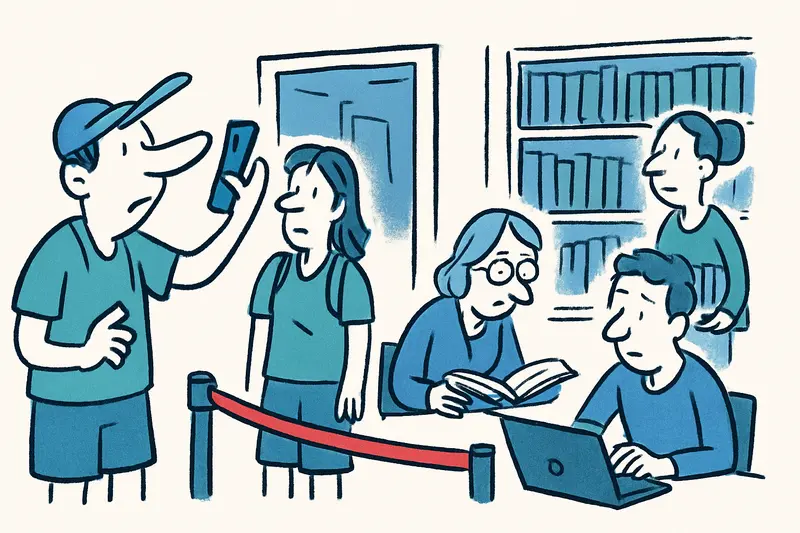
Red Rope in Palma's Library: What Helps Against Selfie Tourism — and What's Missing
Palma's city library cordoned off an area with a red rope to keep selfie tourism away from reading and working activitie...
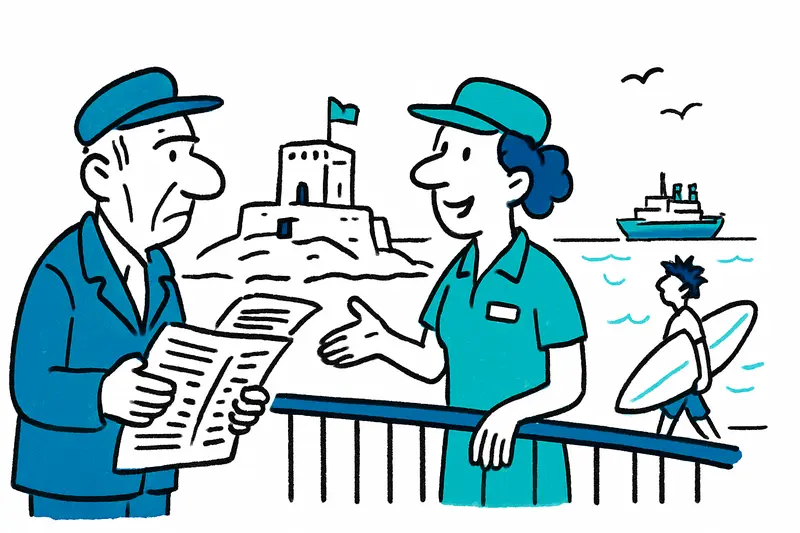
Fort San Carlos: Museum, Harbor Dispute — and a Conflict That Demands Answers
The military museum at Fort San Carlos sits right on Palma's harbor, with unexpectedly quiet rooms filled with cannons a...
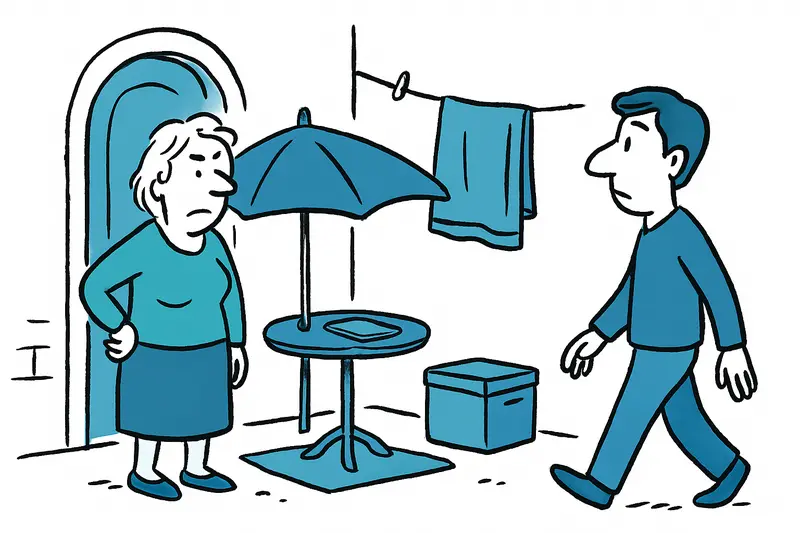
Old Town Under Pressure: When a Doorway Becomes a Sleeping and Shower Place
For months a woman has been living with a parasol, a clothes rack and personal belongings next to the social welfare off...
When Shopping Weighs Heavier: Mallorca Demands a Tax Pause on Food and Fuel
Rising prices are putting pressure on households and agriculture. The Balearic Islands are calling for temporary tax rel...
More to explore
Discover more interesting content

Can Cap de Bou

Townhouse Lleo 72
