
Half a Million for Marivent: Necessary Repair or Costly Routine?
Half a Million for Marivent: Necessary Repair or Costly Routine?
Palma's Marivent Palace will be renovated from April to December for around 500,000 euros. Who pays, what will be done — and which questions remain unanswered.
Half a Million for Marivent: Necessary Repair or Costly Routine?
Key question: Must the regional government pay for the upkeep of a summer residence used by the royal family — and how transparent are the expenditures?
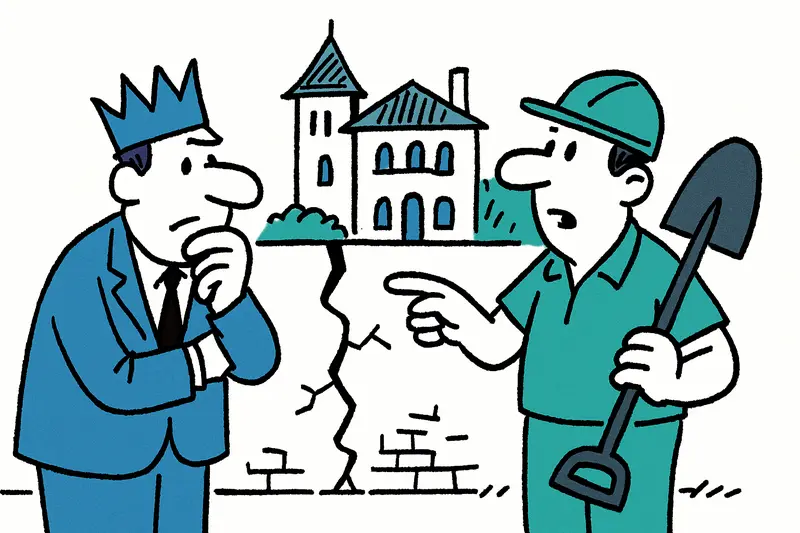
On April 15 work begins at the Palacio de Marivent, scheduled to last until December 15. It is known that three technicians inspected the grounds, identified defects and recommended renewing the pools, a ceramic fountain, paths, walls and various structural elements. The bill: around 500,000 euros, borne by the Balearic Ministry of the Presidency because the regional government is the owner.
Anyone who walks frequently along the Passeig Marítim or in Cala Major will have seen the palace — the pines behind the wall, the gaps in small paths, gardeners tidying the beds in spring. Those observations match the inspection: cracks in walls, root damage, damp spots, outdated pumps in the swimming pools and a ceramic fountain that, according to the report, “gives an impression of decay.” A small toilet building, damaged when a tree fell in the last storm, is also on the list.
All of this is concrete and explainable: the Palacio de Marivent dates from 1924, was designed by Guillem Forteza, and is a listed building. In 1972 the estate was provided for use by the crown prince couple. The region has for years allocated money for maintenance; the current investment is an additional renovation after 25 years without major interventions (Parc de la Mar: Renovation from 2026 – Money, Paths and the Question of Added Value).
Critical analysis
Much of the official explanation is plausible, yet gaps remain. First: the public statement gives the total cost but not the itemized breakdown. Why do the repair of tree root damage, a new coat of paint and the replacement of shutters together add up to half a million euros? Second: who was awarded the contract — which Mallorcan construction company is actually carrying out the work, how was the firm selected, and was there a tender? (See similar procurement questions raised in Renovation in the Tramuntana: Six roads, five million — is that enough?.) Third: what long-term measures will be taken so that such large bills occur less frequently? For example, a maintenance plan with annual, smaller budgets instead of rare large packages?
From a heritage-technical perspective, cosmetic repairs alone are often not sufficient. Additional questions: will materials and techniques be used that match the original? Are there plans for climate adaptation — such as energy-efficient pumps, water-saving systems or protection against increasingly frequent storms?
What's missing in the public discussion
The debate quickly revolves around numbers and motives when a royal occasion is involved. Three practical pieces of information are missing: a transparent cost breakdown, clear details of the procurement process and a schedule for reopening the publicly accessible garden areas. It is also seldom discussed how closure times during Holy Week or in summer — when the family is in residence — can be compensated for visitors.
The ecological perspective is also left out: which trees will be planted? Will they be site-appropriate, native species that require less irrigation? Or exotic plants that may cause problems again later? Such details determine whether a construction measure is merely a repair or simultaneously a sustainable investment.
Everyday scene from Cala Major
A Saturday morning in Cala Major: fishermen mend nets, the smell of grilled fish drifts up from a beach bar, seniors stroll with shopping bags along the shore. In front of the palace a few gardeners stand with coffee cups in hand, point to a crack in the path and swap anecdotes about the last storm. Heritage worries are close to everyday life — not abstract figures, but broken tiles, noisy pumps and sticking doors.
Concrete approaches
1) Public cost breakdown: The regional government should publish the cost elements (materials, labor hours, subcontractors, contingency). This would reduce speculation and build trust.
2) Transparent procurement: A brief explanation of the procurement procedure — tender, direct award, selection criteria — would make clear whether fair procurement rules were followed.
3) Maintenance plan: An annual budget for small, continuous measures prevents large backlogs. A five-year maintenance contract with clear inspection intervals for pool and irrigation technology would be sensible.
4) Ecological criteria: For replanting, prioritize native species, consider energy-efficient pumps and rainwater use, and involve restorers experienced with regional ceramics.
5) Visitor offerings during closures: Guided small tours at other locations or virtual tours could mitigate the restrictions during visits by the royal family.
Conclusion
The works at Marivent Palace are technically understandable. The open question is not only "How much?", but "How transparent and sustainable?" Half a million euros is not petty cash. If the work is planned so that future repairs are less frequent and more environmentally conscious — and if the region discloses exactly what the money is spent on — then the expenditure is well invested. Otherwise it remains another chapter in the long list of public subsidies that people on the Paseo Marítim can only shake their heads about (for example Baluard del Príncep: Final Sprint at the City Gate – Is the Financial Boost Enough?).
Frequently asked questions
Why is Marivent Palace in Mallorca being repaired again?
How much is the Marivent renovation in Mallorca costing and who pays for it?
What kind of work is being done at Marivent Palace in Palma?
When are the Marivent works in Mallorca scheduled to take place?
Can people in Palma still see Marivent Palace during the renovation?
Why do people in Mallorca question the Marivent renovation costs?
Is Marivent Palace in Mallorca protected as a heritage building?
What should a better maintenance plan for Marivent in Mallorca include?
Similar News

Heat Bonus in Mallorca: 100 Euros Extra for Outdoor Staff at MarSenses
MarSenses pays employees who worked outdoors in August an extra €100 as recognition. Lighter uniforms, reduced hours for...
Renovating in Mallorca: What You Really Can Do Without Neighbour Consent
Many think they can do whatever they want in their apartment. That's partly true — but only as long as structural elemen...

Cafetería San Siro: A Meeting Place on Schinken Street Since 1966
In the middle of Schinken Street, Cafetería San Siro has been offering Mallorcan hospitality for more than six decades —...

From Ballermann to Prison: What the Verdict Against the Femina Operator Means for Palma
The Munich Regional Court convicted a German operator for subsidy fraud. What does the verdict mean for the Femina Club,...

Underpass Verge de Lluc: 19-year-old fights her way out of flooded car – a warning sign for Palma
A 19-year-old recently escaped swimming from her car after the Verge de Lluc underpass held up to one and a half meters ...
More to explore
Discover more interesting content

Can Cap de Bou

Townhouse Lleo 72
