
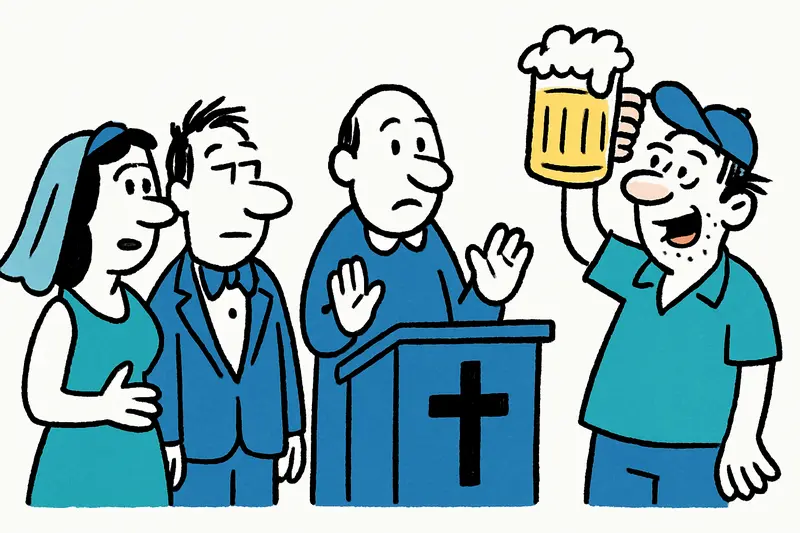
Getting married at Ballermann? Why the idea of a 'Playa church' raises more questions than vows
Getting married at Ballermann? Why the idea of a 'Playa church' raises more questions than vows
A well-known party figure is planning a 'church' on Playa de Palma where couples are supposed to marry spontaneously. Charming on paper — but tricky in practice. A reality check from Mallorca.
Getting married at Ballermann? Why the idea of a 'Playa church' raises more questions than vows
Key question: Can a pop-up wedding venue on Playa de Palma that aims to sell 'I do's' quickly and loudly function legally, organizationally and socially — without endangering people or burdening the neighborhood?
Critical analysis
The image is striking: party, sangria, a quick ring — the Vegas version of Playa. It makes headlines, gets laughs and probably fills Instagram stories, and events like this are part of a broader Ballermann culture, as Cologne Week at Ballermann: When Carnival Briefly Moves to the Playa illustrates. But the reality falters in several places. A church alone does not automatically make a marriage legally binding; formalities are required for official papers, signatures and administrative procedures. Whether such a venue would conduct marriages that stand up before authorities remains open.
There is also an ethical problem: marrying while intoxicated is romantic in clichés but problematic in reality. Sober consent is part of a marriage's legal validity. If couples have had several drinks beforehand or make impulsive decisions in the subsequent partying frenzy, the question arises how to protect everyone involved.
Then there is the local dimension: the commercialization of personal rituals meets a neighborhood already balancing tourist bustle and residential quality, as Ballermann Between Ecstasy and Reality: More Than Beer and Schlager Music? describes. An extra surge of quick ceremonies could further change the already loud summer scene — not only for visitors but for residents, restaurateurs and service workers, and could mirror incidents where authorities intervened, see Police stop illegal beach parties at Ballermann 6 – a question of balance.
What is often missing in public debate
In discussions about original tourist gags the legal and social perspective is quickly lost. Three points are rarely addressed enough: first, the question of legal validity and which documents are required; second, consumer protection — how are customers informed about costs, cancellation rights or legal consequences?; third, responsibility toward vulnerable people who might make decisions in a partying mood that they later regret.
A everyday scene from the Playa
Early in the morning, when the sun hangs low over the Avenida de Playa de Palma, stall owners sweep up the traces of the night with a hand broom. Taxi drivers smoke a cigarette, an old man sits on the wall with his coffee and watches the cleaning. In this quiet it becomes clear that Ballermann is not just stages and beer — people live here, waitresses work, families prepare for the day. A new attraction that causes a stir at night leaves its mark the next morning.
Concrete approaches
If the idea is serious, it needs rules. Practical measures would include:
- Clear separation between symbolic ceremonies and legally binding acts: Touristic short weddings can be offered as a show; legally binding marriages should go through the responsible authorities and be registered in advance.
- Duty to inform and cancellation rights: Couples should be informed in writing about legal consequences, costs and possibilities of contesting the marriage before any ceremony takes place.
- Age and sobriety checks: Clear rules to prevent intoxicated or underage persons from entering into a binding relationship without legal guardians.
- Permits, noise protection and time windows: Authorities could set fixed times and sound limits so that neighbors do not have to live with show weddings around the clock.
- Local integration: Cooperation with the municipality, gastronomy, hoteliers and neighborhood representatives — only this way can it be avoided that an attraction overwhelms the quarter.
What we need in Mallorca
Transparency and responsibility. Whoever offers a ritual publicly must consider its consequences: legally, socially and economically. Symbols sell easily; the impact on people's lives and the cityscape is more lasting.
Anyone planning superior entertainment concepts on the Playa this summer should first ask the people who sweep the streets in the morning and close the bars at night. Only then will a bit of fun neither become a nuisance nor a legal aftermath.
Conclusion: The idea of a 'church' at Ballermann has entertainment value and PR potential. But it needs rules, transparency and consideration so that a quick 'yes' does not turn into later trouble. And honestly: a spontaneous declaration of love in the sun is lovely — but the vow should still hold up the next day.
Frequently asked questions
Can you legally get married at Ballermann in Mallorca?
Is it a good idea to make wedding decisions while drinking on Playa de Palma?
What should couples check before booking a wedding event in Mallorca?
Could a wedding venue at Ballermann affect local residents in Mallorca?
What rules would a wedding attraction in Playa de Palma need to follow?
Is Ballermann in Mallorca only a party area?
What is the difference between a symbolic wedding and a legal marriage in Mallorca?
Why do people in Mallorca criticize quick wedding concepts at Ballermann?
Similar News
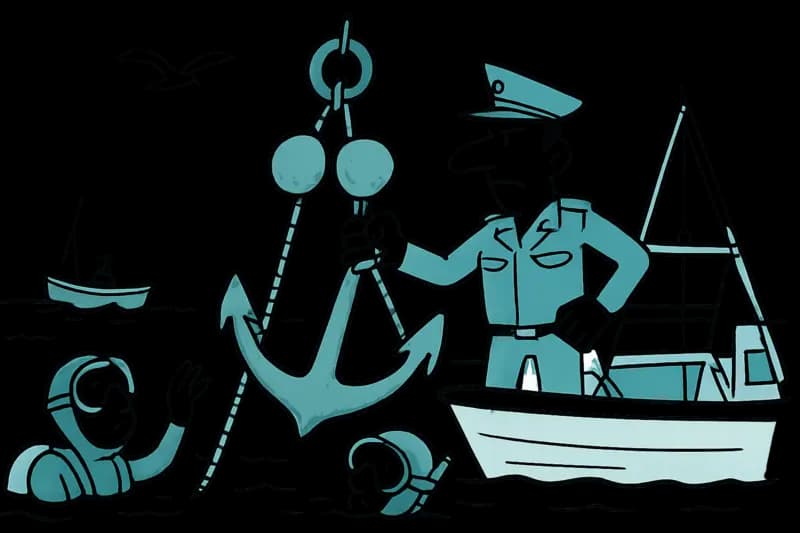
Ancient Piece Brought to Light: Guardia Civil Recovers Roman Anchor Fragment off North Coast of Mallorca
Divers from the Guardia Civil recovered a massive iron piece from Roman times off Mallorca's north coast. The roughly 35...

Who Benefits from the Half‑Hourly Flight on the Edge? Aena, Investments and the Island's Interests
Almost one billion euros is flowing into Son Sant Joan. The figures show the scale of investment and expected beneficiar...

Are the Balearic Islands the Southern Border of Europe? A Reality Check on Immigration
The Balearic Islands are again calling for EU aid after a sharp rise in arrivals by sea. Conflicting priorities between ...

"Expensive chaos" and many open questions: What clients can do when a lawyer suddenly stops responding
Several clients complain that a well-known German lawyer in Mallorca has been unreachable for months. Key question: What...
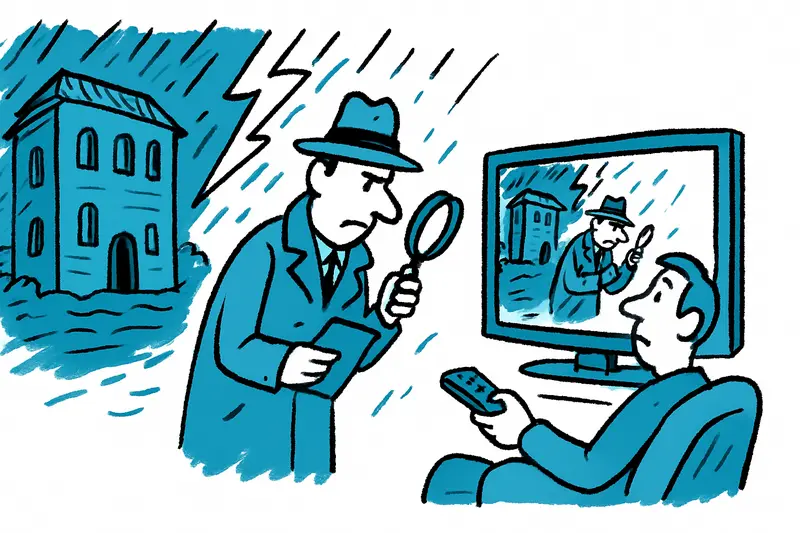
TV tip: 'The Last Problem' — Mallorca as the setting of a classic crime
A classic whodunit on Mallorca: A new miniseries set in spring 1959 brings storm, an isolated hotel and a dense web of s...
More to explore
Discover more interesting content

Can Cap de Bou

Townhouse Lleo 72
