
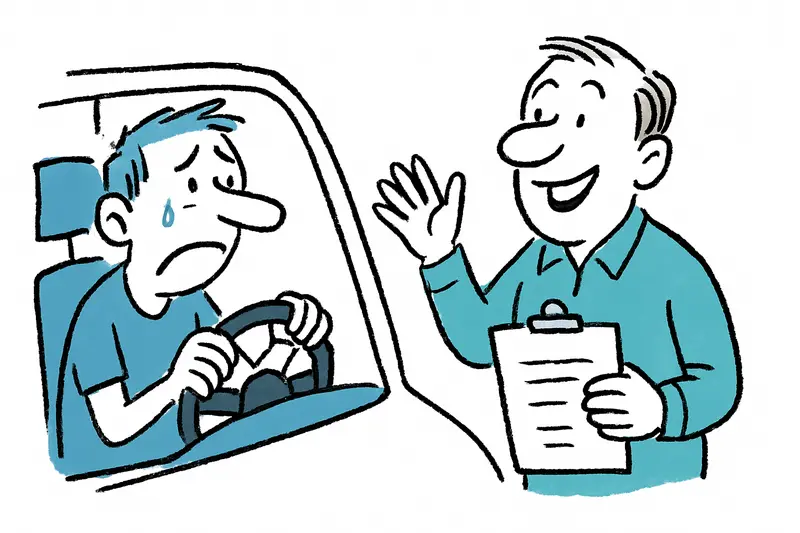
Extra practical driving test dates: Relief for around 400 learner drivers in the Balearic Islands
Extra practical driving test dates: Relief for around 400 learner drivers in the Balearic Islands
Because demand is high, the Spanish traffic authority has scheduled additional practical test dates in the Balearic Islands. Eight examiners are coming from the mainland for each session – this provides relief for around 400 candidates.
Extra practical driving test dates: Relief for around 400 learner drivers in the Balearic Islands
More tests, more opportunities – examiners travel from the mainland
In the early morning you often see them: learner drivers, still slightly sleepy, practising their last manoeuvres in the car parks of Son Gotleu or on the training site near Palma. This effort now has a real chance of success. The national traffic authority DGT has scheduled additional practical test dates in the Balearic Islands for today and the coming Saturday. This should give around 400 people who are currently waiting for their driving test a chance to finally take it, at a time when Only One in Three Passes: Why the Driving Test in the Balearic Islands Rarely Succeeds on the First Try highlights low first-attempt pass rates.
To make the appointments possible, eight examiners will travel from the Spanish mainland to the islands for each session. If you stroll along the Paseo Marítimo on a sunny morning, you might soon hear the distant beep of indicators instead of tourist music, while candidates nervously practise shoulder checks. For driving instructors this means thinned waiting lists, and for families less planning stress.
Deploying additional examiners is a pragmatic step. On a holiday island such backlogs build up quickly: seasonal demand, staffing shortages and a tight testing schedule lead to stacked appointments, as Driving Schools in Mallorca Under Pressure: Only Around One Third Pass the Practical Test reports. The DGT measure brings short-term relief – and for many who are aiming for jobs in hospitality, tourism or delivery services, it often represents an important career step.
Everyday scene: In a driving school near the Via de Cintura eight young people sit together, hands clutching hot coffee-to-go cups. An instructor runs through the test route once more, naming roundabouts and narrow streets in Palma's old town. These small routines provide reassurance. And this is exactly where additional tests help: less waiting, more predictability.
What does this mean concretely for applicants? First: test dates for today and Saturday are now available – those on the list should check their documents and plan their journey. The examiners will arrive at Son Sant Joan airport or Palma harbour; parking spaces and minor delays are possible. Second: driving trainers advise arranging driving times and breaks so that the test day does not start in acute stress. A short drive around Parc de la Riera in the morning instead of long practice the night before can help clear your mind.
The decision has a double benefit for the islands. In the short term, test backlogs will be reduced. In the medium term, businesses benefit from a more stable labour market: more successful candidates means more available drivers for buses, delivery services and taxis, which could also help address problems such as More than 350 drivers without a driver's license in the Balearic Islands: Why the problem on Mallorca shouldn't exist. And for the neighbourhood it means fewer pent-up appointment requests and less pressure on private instructors.
Practical tips: arrive on time, check your papers and insurance, top up the test vehicle's tank before departure and allow a little more travel time than your satnav suggests. A calm breakfast, a short walk along the coast near Palma or a look at the sea is often enough to calm the nerves.
The DGT's measure is not a cure-all for structural bottlenecks – for that permanent staff increases and better planning would be necessary. But it is a noticeable relief for hundreds of people on Mallorca and the neighbouring islands. For many it now means: fingers crossed, don't forget the shoulder check – and go.
Outlook: If additional examiners are deployed regularly in the future, waiting times could be reduced permanently. Until then: take the opportunity, prepare practically and allow yourself a calm moment in the sun before the test. Good luck!
Frequently asked questions
What is the weather like in Mallorca in spring?
Can you swim in Mallorca in spring?
Is spring a good time to visit Mallorca?
What should I pack for Mallorca in spring?
What is Palma de Mallorca like in spring?
Is Alcúdia worth visiting in spring?
Is spring a good time for hiking in Mallorca?
What kind of activities work well in Mallorca during spring?
Similar News

More water than last year: Mallorca's reservoirs breathe easier
September rain refilled the Tramuntana's reserves: overall fill around 35 percent, Cúber at 40.42 percent, Gorg Blau at ...

Three Luxury Hotels in Banyalbufar: Lots of Money, Many Questions
A Danish investor plans three exclusive accommodations in Banyalbufar — including the historic Son Valentí. The announce...
2.1 tonnes of cocaine on sailing yacht off Spain's coast – a reality check for the coastguard
A 14-metre yacht was seized with 2.1 tonnes of cocaine. Who monitors the ports, how does the international hunt succeed ...

Heat Bonus in Mallorca: 100 Euros Extra for Outdoor Staff at MarSenses
MarSenses pays employees who worked outdoors in August an extra €100 as recognition. Lighter uniforms, reduced hours for...
Renovating in Mallorca: What You Really Can Do Without Neighbour Consent
Many think they can do whatever they want in their apartment. That's partly true — but only as long as structural elemen...
More to explore
Discover more interesting content

Can Cap de Bou

Townhouse Lleo 72
