
Medieval Market in Capdepera: Drums, Crafts and Family Time
Medieval Market in Capdepera: Drums, Crafts and Family Time
From today until Sunday Capdepera fills with knights, fire-eaters and market stalls. Opening at 7:00 PM in front of the town hall, followed by a procession from the castle to the village square.
Medieval Market in Capdepera: Drums, Crafts and Family Time
Tonight the Fira begins — three days of historical bustle in the old town center
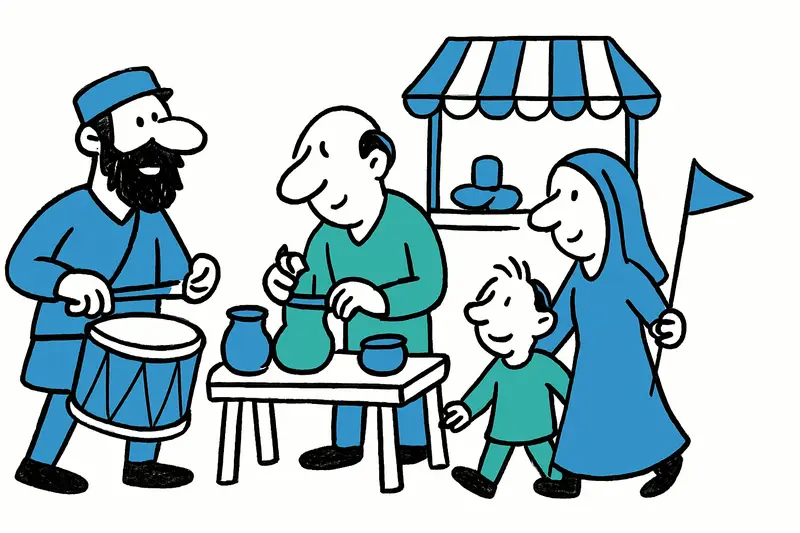
When the bells in Capdepera ring and the narrow stairway to the castle is full of life, you immediately notice: the week now has a different colour. From today drums, laughter and the clinking of craft workshops fill the alleys. At 7:00 PM the market will be officially opened in front of the town hall, afterwards a procession will move from the castle (Castell de Capdepera) to the central village square. The festival lasts until Sunday — enough time to stroll among stalls with local products and handicrafts.
You meet families with children who bravely peek over the shoulders of knights, and older residents who recount past firas to each other over a café con leche. On the Carrer Major the scent of roasted almonds and herbs blends with the slightly rougher air coming from the fire performers. A similar lively mix can be experienced at Dijous Bo in Inca: Eight kilometres of market, Ensaimada and rural warmth. Belly dancers spin to drum rhythms while artisans working with wood, ceramics and textiles have attractively arranged their tables. Small stages offer street theatre and music — occasionally a loud olé or a hush when a fire-breather sends flame arcing through the air.
The market spreads across the whole village. Besides the central square, side streets and small plazas are occupied, making it feel like a journey of discovery: behind a stairway you'll find a stall with local cheese specialties, around the next corner someone sells marinated olives and homemade sobrasada. For visitors this means: sturdy shoes, an empty bag and time. The atmosphere is relaxed; many stalls belong to people from the town or the surrounding area who show their faces and explain their work.
Why is this good for Mallorca? Such markets combine two things that define the island: artisanal tradition and community. See also Medieval Market in Santa Ponça: Four Days of Crafts, Drums and Sea Breeze. Tourist appeal brings income, but the real strength lies in young craftsmen and craftswomen presenting their products to locals and visitors alike. Stalls are more than commerce — they are places of conversation where recipes are exchanged, stories are passed on and connections are made. For small producers these three days are often crucial for gaining regular customers.
Another benefit: the historic setting around the castle puts local identity in the spotlight. Children holding a wooden sword today learn a little about the building history of their village; residents experience their Capdepera as a living work of art, not just a postcard scene. The mix of theatre, music, craft and culinary offerings makes the medieval market an experience aimed not only at tourists but at everyone interested in community.
Practical tip: evenings are often cooler than you might think — a light jacket is useful. Stalls often take cash; having a few bills on hand makes small purchases easier. If you want less bustle, come in the morning; if you prefer to linger with music and performers, choose the evening. Check the program boards at the plaza and the notices in the alleys — they list the small performances and participatory activities.
In the end a simple but valuable impression remains: fairs like this keep island culture alive. They are meeting points, shop windows and memories at once. So: the castle lights up, the drums are ready, and Capdepera invites you — to watch, chat and take part. If you've never been, go and see; the alleys tell their own stories.
Frequently asked questions
What is the medieval market in Capdepera like?
Is the Capdepera medieval market suitable for families with children?
What should I wear and bring to the medieval market in Mallorca?
When is the best time to visit the Capdepera medieval market?
What kind of food and local products are sold at the Capdepera market?
How does the medieval market in Capdepera connect to Mallorcan culture?
What can visitors do at the medieval market in Capdepera besides shopping?
Where does the medieval market take place in Capdepera?
Similar News
Magaluf: Watchtower Alarm – Lifeguards Pull Unconscious Beachgoer from the Water
After a drama in the late afternoon, two lifeguards at Magaluf beach rescued an unconscious 44-year-old man. He was stab...
Turquoise in the City: How dangerous is the color play of the Sa Riera?
The Sa Riera in Palma suddenly turned turquoise — a pretty motif, but behind the effect lies a discharge of saline waste...

Jeckliner at Sunnesching: Cologne spirit sets sail from Palma
In September 2027 the Mein Schiff 2 briefly becomes a floating carnival stage: four days with Cologne bands, comedy and ...
Finally Home: Mike and Leyla Heiter Buy Villa with Sea View in Mallorca
The reality TV couple Mike and Leyla Heiter have bought a house in Mallorca with a roof terrace and sea view. An Instagr...
Arrest after series in Palma: Who protects apartments from repeat offenders?
The National Police arrested a man in Palma who investigators say may have broken into several apartments. In one incide...
More to explore
Discover more interesting content

Can Cap de Bou

Townhouse Lleo 72
