
![[DECORATIVE]](https://olrieidgokcnhhymksnf.supabase.co/storage/v1/object/public/news-images//miniaturenraub-palma-zwei-festnahmen-sieben-anzeigen-2025.webp)
Miniature theft in Palma: Two arrests, seven charges — and unanswered questions
Miniature theft in Palma: Two arrests, seven charges — and unanswered questions
In Palma the National Police arrested two men accused of multiple shop thefts of expensive collectible figures. Seven incidents, damage: over €4,500. What does this mean for small shopkeepers and the collectors' scene?
Miniature theft in Palma: Two arrests, seven charges — and unanswered questions
Police found figures in another shop; shopkeepers feel vulnerable
On 26 January 2026 the National Police in Palma arrested two men who, according to investigators, stole expensive collectible figures from several shops selling board games and resold them. The items seized were mainly detailed miniatures from a science-fiction board game. In total seven thefts were reported, with damages estimated at more than €4,500.
The scene: I stand on a chilly morning at the Passeig des Born, the awnings of the small specialist shops still half down, and the smell of freshly baked ensaimada rises from a bakery. A shop owner from the old town explains how quickly news spreads among traders — but also how vulnerable the shops are when figures worth several hundred euros disappear from display cases. In this case the pieces are said to have been resold in another shop; they were later seized there, as covered in Nearly One Million Gone: Jewelry Heist on Paseo Borne and the Open Questions.
Central question: Are current prevention measures in small toy and collector shops sufficient, or do we need a new, shared security mindset in Palma?
Critical analysis: At first glance the matter looks like a classic shop theft followed by resale. But the series of incidents reveals several weaknesses. Small traders often work with open display cases, one-off items without clear serial markings, and a small workforce. That makes targeted removals possible. Added to this is a market for used collectibles — online and offline — that facilitates anonymous sales. The fact that resale took place in legitimate shops suggests controls in second-hand stores and swap markets are patchy. The series of incidents reveals several weaknesses, echoing concerns raised after After nine burglaries in Palma: Arrest brings relief — but questions remain.
What is missing from public debate: So far theft is often treated as individual misbehavior. The discussion neglects the chain of supply, resale and the regulatory framework. Practical, field-ready measures for small businesses are lacking — for example a central reporting system for stolen collectibles or tiered labeling that allows quick cross-checks.
Everyday scene from Mallorca: On a normal Saturday afternoon in Palma a mix of tourists, locals and collectors moves through the narrow streets. In Calle Sant Miquel shopkeepers call their regular customers to reserve new stock. When figures disappear it is not only a financial loss but also a piece of shop life taken away — the conversations with regulars, the special items on the shelf.
Concrete solutions: First, a local registry for high-value collectible items, accessible to shopkeepers and police. Second, standardized inventory stickers with serial numbers or photo archives to allow fast identification. Third, intensified inspections of resellers and second-hand shops by the trade office in cooperation with the police. Fourth, exchange platforms among business owners — a simple WhatsApp group or a forum at the chamber of commerce to share quick warnings. Fifth, information work: workshops for shop owners on prevention and on legally sound handling of suspected cases.
These proposals are practical and need not necessarily be expensive. They rely on cooperation rather than additional bureaucratic hurdles and would strengthen trust between traders and authorities. Such measures would be particularly useful for tourist markets and small specialist shops.
Conclusion: The arrests in Palma show that the police can uncover cases, yet some argue, as noted in Arrest in Palma: A Step, but Not the Final Word, that arrests do not solve deeper problems. If shopkeepers, authorities and the community are better networked, losses can be reduced and the identity of small shops as lively neighborhood places can be protected. A bit more attention and a few simple organizational steps — and the figures will stay where they belong: on the shelf, not in an anonymous drawer.
Frequently asked questions
What happened in the Palma collectible figure theft case?
Why are small shops in Mallorca vulnerable to theft?
How can collectors and shopkeepers protect valuable miniatures in Mallorca?
Are second-hand shops in Palma supposed to check where collectibles come from?
What should I do if I suspect a collectible item in Mallorca was stolen?
What areas of Palma were mentioned in the theft case?
What security changes are being discussed for small shops in Palma?
Does theft of collectibles affect Mallorca shops beyond the financial loss?
Similar News

"Fifth Season" in Port d'Andratx: A glass-bottom pool that makes passersby stop
An unusual superyacht with a dark hull and a partially glazed infinity pool is currently at the Yacht Club of Port d'And...

Newark–Ibiza: What the new direct flights mean for Mallorca
United will operate four weekly direct flights from New York–Newark to Ibiza with the A321XLR from May 2027. For Mallorc...
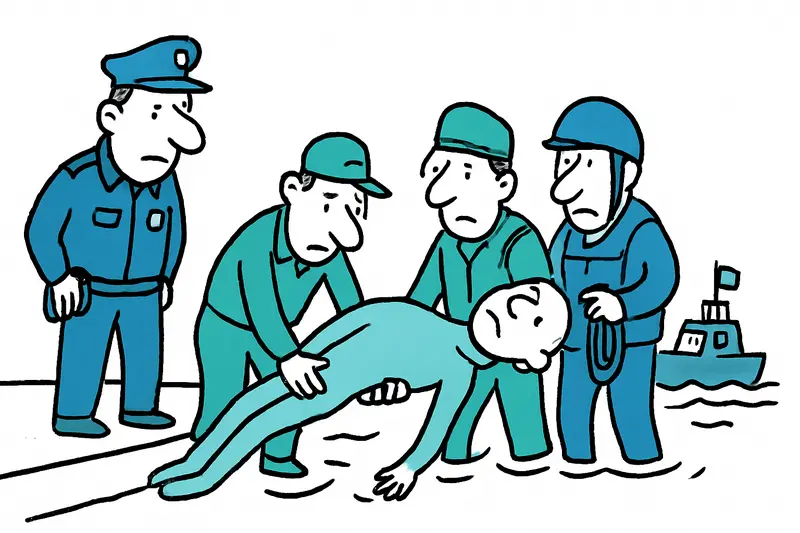
Body in the Basin of Port Adriano: Who Protects People During Crossings?
In the morning, just before noon: employees of a luxury marina discovered a floating body in the basin of Port Adriano. ...
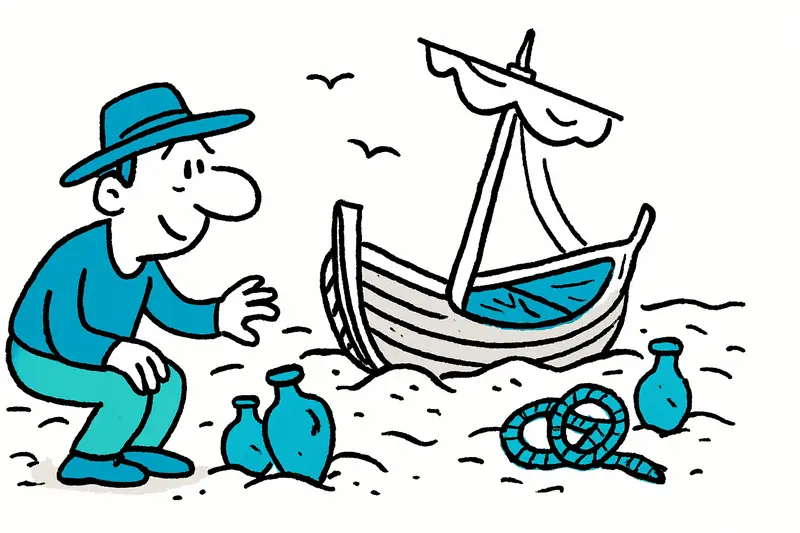
Raised from the Sand: A Late Antique Merchant Ship Tells of the Sea off Can Pastilla
A 1,700-year-old Roman merchant ship was raised off Can Pastilla. Finds such as sail fragments and amphorae provide rare...
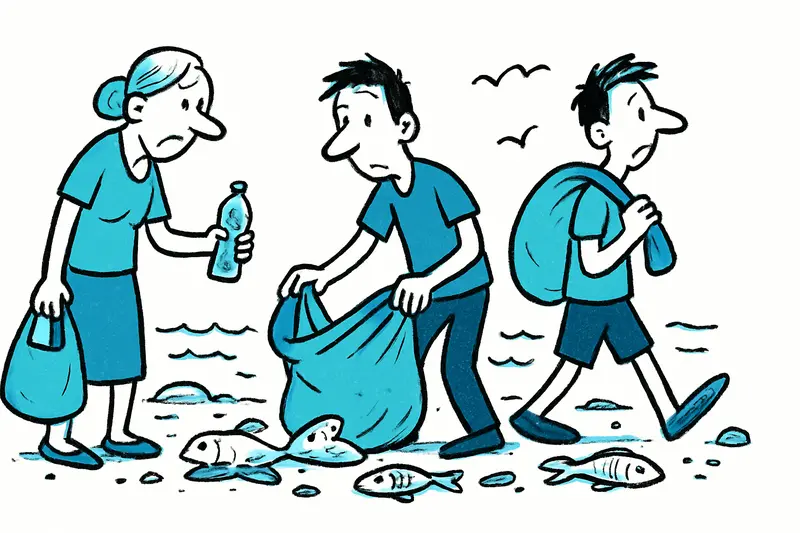
After the Storm: Why Many Fish Died at Riuet de s'Illot — and What's Still Missing
After the severe storm, numerous dead fish were found in the Riuet de s'Illot wetland. Who is affected, why it may have ...
More to explore
Discover more interesting content

Boat Tour with BBQ along Es Trenc Beach
Private transfer from Mallorca Airport (PMI) to Pollensa
