
Arrest in Palma: A Step, but Not the Final Word
The arrest of a suspected car thief in Palma brings reassurance but does not solve the deeper problems. Why more than handcuffs are needed — and what should happen next.
Arrest in Palma: A Step, but Not the Final Word
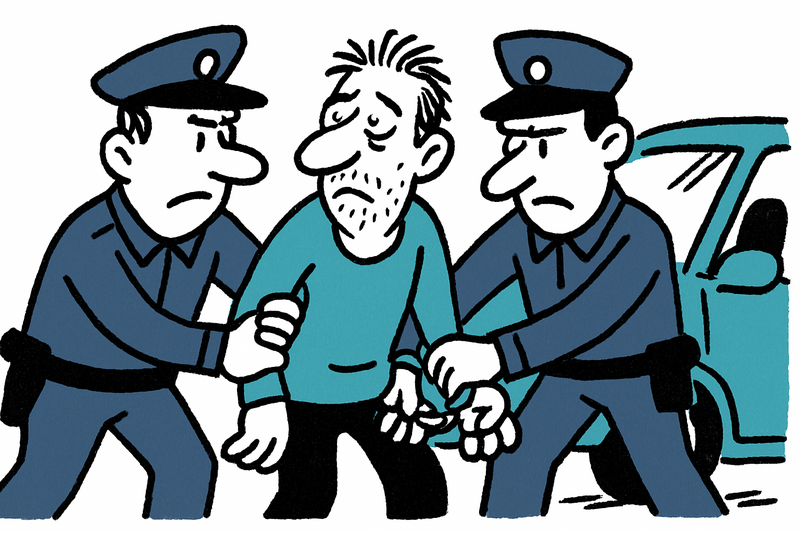
It was the typical midday scene on the coast: seagulls, the soft clatter of the waves and then suddenly sirens rolling down the Passeig. For residents in Es Molinar and other neighborhoods, yesterday's news felt like a sigh of relief — the national police arrested a man accused of more than 60 car burglaries in districts such as Es Molinar, Son Gotleu and El Rafal. This follows reports of a series of nighttime break-ins in Palma. But the question quietly asked in the street café beside the church, softer than the espresso machine, remains: Is this arrest enough to restore the feeling of safety in Palma?
What the arrest really means
The facts are clear: The suspect was stopped in a stolen vehicle without a driver's license, two cars are completely missing, and a motorcyclist was injured in an accident. The pattern is striking — perpetrators apparently targeted vehicle documents. This is not a random act but an indication of specialization: quick break-ins here, "refinement" elsewhere.
The dark figure: What the statistics hide
What is often missing from official statistics is the dark figure. Many victims do not report minor offences. A scratched lock, an empty glove compartment — who has time for a long trip to the police when a restaurant awaits and summer is calling? Especially in neighborhoods with a subtle sense of insecurity like Son Gotleu, such incidents are not only recorded, they eat away at the feeling of being left alone, as seen in cases like eight break-ins in one week.
Why documents are so valuable
The hunt for vehicle documents explains a lot: with genuine documents, cars are easier to anonymize, papers can be forged or used to swap license plates and identities. For offenders this is more profitable than quickly grabbing a wallet from the glove compartment. This kind of "industrialization" of theft is harder to track than isolated break-in reports.
Police work alone is not enough
Yes, short-term effects are real: more checks, forensic work, targeted raids and sometimes phone tracking that led to an arrest in Palma. The arrest is therefore important — it sends a signal. But signals fade if they are not accompanied by structural measures. Police presence alone is like sunshine in December: pleasant, but not sustainable.
Concrete measures — short and medium term
What now makes sense is no secret recipe, but consistency: better street lighting in problematic areas, targeted CCTV installations where legally permissible, clear rules for public parking and easier access to guarded parking facilities. Mobile controls on the roads in and out, increased vehicle checks at dealers and workshops — that would dry up the market for stolen cars.
Prevention through community
A neighborhood network can see more than a screen: recurring cars, strangers at unusual times, small patterns that only residents notice. Municipal projects could promote sponsorships for particularly affected streets. Sounds like small-scale work? That's exactly what can make the difference in Palma — neighbors with eyes and ears instead of just blue lights on the weekend.
Naming the social causes clearly
Those who live in Son Gotleu know the link between lack of prospects, unemployment and crime. It's uncomfortable, but important: preventive social work, training programs and low-threshold employment offers are not a luxury, they are prevention. As long as the root causes are not addressed, the risk of repetition remains.
Technology, personal responsibility and trade
For drivers the rules are: never leave documents in the car, use simple locks like steering-wheel clamps, consider aftermarket immobilizers. Insurers could advise victims better and create incentives. And workshops and used-car dealers must be meticulous when purchasing — much of the value chain could be interrupted here.
A moment to breathe — but stay vigilant
In the end: the arrest is an important step, Palma's church bells ring again, boats rock in the bay and in some corners calm returns. But the task is bigger: police, politics and neighborhood must now come together and link measures. One perpetrator in handcuffs is a success — but only closing the systematic gaps will bring real peace to the streets of Palma.
The investigations continue. And while the sea off Es Molinar remains calm, the city is called upon to build sustainable security out of this moment of relief — not just for a few weeks, but permanently.
Frequently asked questions
Does the arrest in Palma mean car break-ins will stop now?
Why are car documents so valuable to thieves in Mallorca?
What should drivers in Mallorca do to reduce the risk of car break-ins?
Are break-ins in Palma always reported to the police?
Is Es Molinar affected by car theft and break-ins in Palma?
Why is Son Gotleu often mentioned in Palma crime reports?
Would better lighting and CCTV help reduce thefts in Palma?
What can Palma residents do if they notice suspicious activity near parked cars?
Similar News

Caro Robens: 15 kilograms lighter — and again in the crossfire of online comments
Bodybuilder Caro Robens, who lives in Mallorca, has lost 15 kilograms. Her success on Instagram was met with applause — ...

Meager Industry in Mallorca: How the Island Can Be More Than Just Tourism
The industrial sector in Mallorca is shrinking, productivity is falling and firms remain tiny. The key question: can the...
Pre-Nit de l'Art: Galerie Mensing invites to a special evening with Tom Boston
Before the big art night, Galerie Mensing opens its doors: pop art, champagne, a DJ and a hand-signed print by Tom Bosto...

Sea view and more seats: Cappuccino Grand Café reopens in Port d'Andratx
After a long renovation, the Cappuccino Grand Café on the Port d'Andratx harbor promenade has quietly reopened. Larger t...

Enric Mas wins the Vuelta – a triumph that resonates in Mallorca
Mallorcan Enric Mas has won the 82nd Vuelta — the first Spanish overall victory since 2014. Cyclists and neighbors on Ma...
More to explore
Discover more interesting content

Can Cap de Bou

Townhouse Lleo 72
