
More Flu Vaccinations in the Balearic Islands — Mallorca Follows Suit
More Flu Vaccinations in the Balearic Islands — Mallorca Follows Suit
This season, significantly more people in the Balearic Islands were vaccinated against influenza: around 219,000, of which more than 180,000 were on Mallorca. Uptake rose noticeably, especially in risk groups and among medical personnel.
More Flu Vaccinations in the Balearic Islands — Mallorca Follows Suit
Over 219,000 vaccinations, stronger participation in hospitals and communities
On a chilly January morning you can hear the coffee machines huffing in Palma's Santa Catalina district and neighbors discussing vaccinations in front of the pharmacy — not only quiet concern, but often relief in the end. This season about 219,000 flu vaccinations were administered across the Balearic Islands, roughly 31,000 more than last year; more than 180,000 of those were on Mallorca, according to the Flu Vaccination Campaign 2025/26 in Mallorca Starts: Preschools First, Then Risk Groups.
The rate in officially defined risk groups is currently just over 34 percent. This stands out because the islands have often lagged behind the mainland in flu vaccination rates in recent years; local coverage and practical measures are discussed in the Flu wave in the Balearic Islands: Why the epidemic classification now demands practical measures. Teams in hospitals and health centers noticed that willingness among doctors, nurses and other medical staff has visibly increased as well — fewer reservations, more appointments.
What is visible on the street and in waiting rooms has a simple effect: when fewer care and hospital staff fall ill, care remains more stable. For medical practices, bus schedules and small shops this means fewer unexpected closures or staff shortages during peak season — a practical advantage for everyday life on the island.
For residents and visitors this is not an abstract health statistic. More vaccinations reduce the risk that hotels, restaurants or schools must close temporarily. In places like Port de Sóller or Alcúdia, where many families live and older neighbors meet regularly, a milder flu season can mean appointments are kept and small businesses stay open.
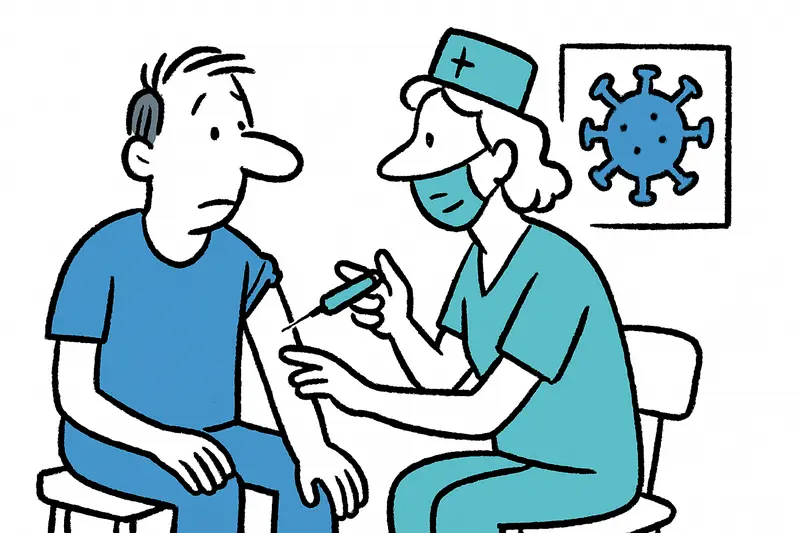
From practice: staff at a community clinic outside Palma report that mobile vaccination teams reaching weekly markets and neighborhood centers have found new groups. The scenes are simple: a stand with thermal flasks, a poster, a short consultation — in the end an older man sits down for his shot and returns to the neighborhood relieved.
How can this trend be used? First: bring vaccination efforts where people already are — markets, community centers, professional training for care staff. Second: practical information, not lectures: people want to know what the vaccine means for their daily lives. Third: cooperation between pharmacies, family doctors and employers so appointments can be offered flexibly and in shifts.
The numbers show a step in the right direction, but there is room for improvement: more targeted offers for people with mobility problems or language barriers could increase the rate further. Whether someone jogs in the Passeig Marítim in the morning or sits in a bar at the Plaça Major in the evening, they may not notice it immediately — but less coughing and fewer sick days make island life quieter and more reliable.
In the end there remains an image seen in Palma, Inca or Manacor: people queuing briefly, getting vaccinated and moving on. No big fuss, rather everyday care. For Mallorca this means better safeguarding of healthcare and fewer disruptions for people and businesses. And a small boost for those who ensure every day that the island functions.
Frequently asked questions
Why is flu vaccination in Mallorca getting more attention this season?
How does a higher flu vaccination rate affect daily life in Mallorca?
Who is especially encouraged to get a flu shot in Mallorca?
Can flu vaccination help keep hospitals and care services running in Mallorca?
Where are flu vaccinations being offered in Mallorca?
Why do mobile vaccination teams matter in Mallorca?
Is flu vaccination in Palma, Inca and Manacor part of the same Mallorca campaign?
What practical difference can fewer flu cases make for shops and restaurants in Mallorca?
Similar News
Are the Balearic Islands the Southern Border of Europe? A Reality Check on Immigration
The Balearic Islands are again calling for EU aid after a sharp rise in arrivals by sea. Conflicting priorities between ...

"Expensive chaos" and many open questions: What clients can do when a lawyer suddenly stops responding
Several clients complain that a well-known German lawyer in Mallorca has been unreachable for months. Key question: What...

TV tip: 'The Last Problem' — Mallorca as the setting of a classic crime
A classic whodunit on Mallorca: A new miniseries set in spring 1959 brings storm, an isolated hotel and a dense web of s...
Nipping Sea Creatures: Why Bathers in Cala Major and Elsewhere Should Be Cautious
In Cala Major, bathers have reported being nipped by small fish. What is behind it, how can problems be avoided — and wh...

Forced eviction in Santa Catalina: When a 65-year-old slept in her car and showered on the beach — a question of responsibility
The story of Pilar López from Santa Catalina represents a problem affecting many Mallorcans: How can an island with a bo...
More to explore
Discover more interesting content

Can Cap de Bou

Townhouse Lleo 72
