
More than 90 percent: Why Mallorca's seafloor is not just pretty sand
More than 90 percent: Why Mallorca's seafloor is not just pretty sand
The seafloor around the Balearic Islands stores the majority of ocean carbon. But protected areas are often insufficient; fishing and infrastructure threaten these stores. A stocktaking with concrete measures for the island.
More than 90 percent: Why Mallorca's seafloor is not just pretty sand
Key question: Are we really protecting the largest carbon store of our islands?
In the mornings, when the first bus rattles along the Passeig Mallorca and the smell of espresso drifts from the bar by the harbor, very few people think about carbon lying 100 meters below the water surface. Yet it is precisely there, in the sediments and among the roots of Posidonia, that a piece of climate and species policy is hidden: over 90 percent of the carbon bound in the sea is stored in the seafloor, according to current estimates.
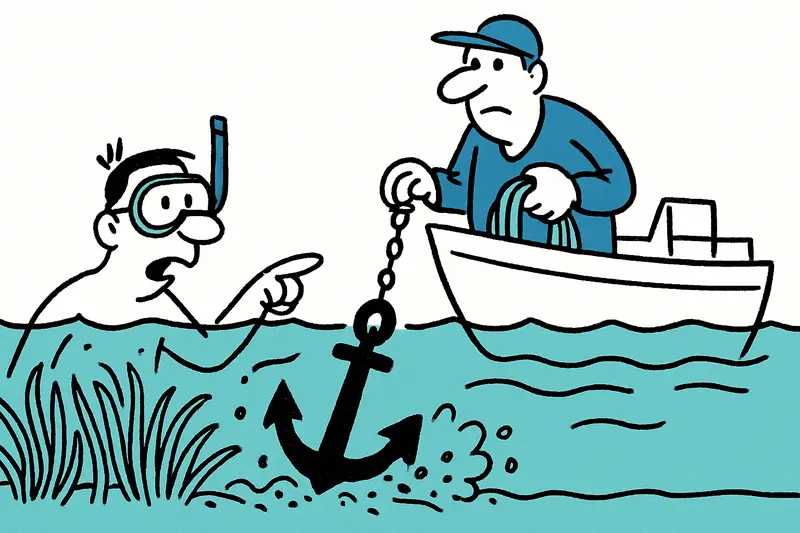
Critical analysis: That figure sounds impressive, but it is also a warning. Sediments can hold carbon for millennia—as long as they remain undisturbed. Once the seabed is churned up, the stored CO₂ can be released again. Practices such as bottom trawling, heavy anchoring, pipelines or any form of seabed blasting are risks that not only destroy local ecosystems but can worsen the global climate problem.
What is missing from the public discourse: There is much talk about Posidonia and seagrass meadows—rightly so; see Sea off Mallorca: When the Underwater Meadow Disappears. But it is far less often made clear that it is not only the plants themselves, but above all the sediments underneath that play the main role as a carbon sink. Equally missing is an honest debate about the quality of protected areas: in the Balearics roughly 50 percent of coastal areas are under some form of protection; truly strict protection, however, makes up only a small fraction of that (preliminary estimates put it well below ten percent).
Everyday Mallorca scene: On a windless evening in Port de Sóller you can see fishers repairing their nets while tourists eat Pa amb oli nearby. These nets, as idyllic as they may seem, are part of the problem when used in the wrong way. At the same time you meet divers who want to restore Posidonia—two worlds living close to one another.
Concrete solutions: First, protected areas must be rethought—not just counting area, but introducing protection levels that truly safeguard sensitive sediment zones from disturbance. Second: a phased exclusion of bottom-contact fishing methods from core protection zones; instead, subsidies for adapted, gentler fishing gear. Third: comprehensive mapping of the seafloor around the islands so authorities and scientists know where the largest blue-carbon reservoirs are located. Fourth: targeted restoration of Posidonia meadows and algal forests, linked to plastic-reduction programs because waste further burdens these systems; see What Lies Beneath Mallorca's Coast: Trash Slipping Out of Sight. Fifth: support for local fisheries—transition funding and training so that sustainable methods become economically viable.
What else must happen: monitoring and enforcement. Protected areas do little good if anchoring and trawling are routinely allowed. Authorities need better controls, data must be published transparently, and participatory projects are needed for citizens—dive clubs, fishers and scientists together as early warning systems.
Pointed conclusion: The seafloor is not an invisible storeroom we can drill into without consequence. It is a living reservoir, connected to the plants and animals we see or do not see. If we lose it, we lose not only biodiversity but also time in the fight against climate change. Mallorca can be a frontrunner: with clear protection rules, honest area definitions and local solutions that bring fishers and conservationists together. When you look out over the glittering sea from the harbor in the morning, remember: beneath that surface lies a treasure that deserves more than postcard images—it needs protection, or we will pay with our climate.
Frequently asked questions
What kind of weather can you expect in Mallorca in the second half of June?
Is it warm enough to swim in Mallorca in late June?
What should I pack for a trip to Mallorca at the end of June?
Is late June a good time to visit Mallorca before the busiest summer weeks?
What is Pollença like in late June?
What is the weather usually like in Cala d'Or at the end of June?
Can you still enjoy outdoor activities in Mallorca in late June?
What is Sa Calobra like in late June?
Similar News

Micaela Schäfer: Between Playa de Palma and a Berlin Law Firm — New Calm, an Old Tomcat and Solid Finances
The party artist from the Ballermann scene appears surprisingly down-to-earth: a new relationship with a Berlin lawyer, ...

At Playa de Palma: Fire in Residential Building – six people rescued on the roof, what is missing in prevention?
In the evening a fire broke out on the first floor of a five‑storey building on Calle Trasimé. Six residents fled to the...
New License Requirement for Mini-Boats in Mallorca: Protection Measure or Tourism Brake?
From October 1 renters of small recreational boats in the Balearics must present a boating license. Critical questions r...

After the Storm: Mallorca Breathes Easy — Warm Weekend with Short Showers
The thunderstorm left its mark, but calm returns for the weekend: sun, summer temperatures around 32 °C, isolated shower...
No More 'Just Hop on a Boat': Mallorca, Mandatory Boating License and the Open Questions
From October 1, the Balearic Islands will require a boating license for small rental boats under five meters/15 hp. A tr...
More to explore
Discover more interesting content

Boat Tour with BBQ along Es Trenc Beach

Private transfer from Mallorca Airport (PMI) to Pollensa
