
Serious Motorcycle Crash Between Camp de Mar and Paguera: A Reality Check
Serious Motorcycle Crash Between Camp de Mar and Paguera: A Reality Check
During a nighttime accident between Camp de Mar and Paguera, a motorcyclist lost control and collided with a pine tree. A reality check on safety along the coastal road.
Serious Motorcycle Crash Between Camp de Mar and Paguera: A Reality Check
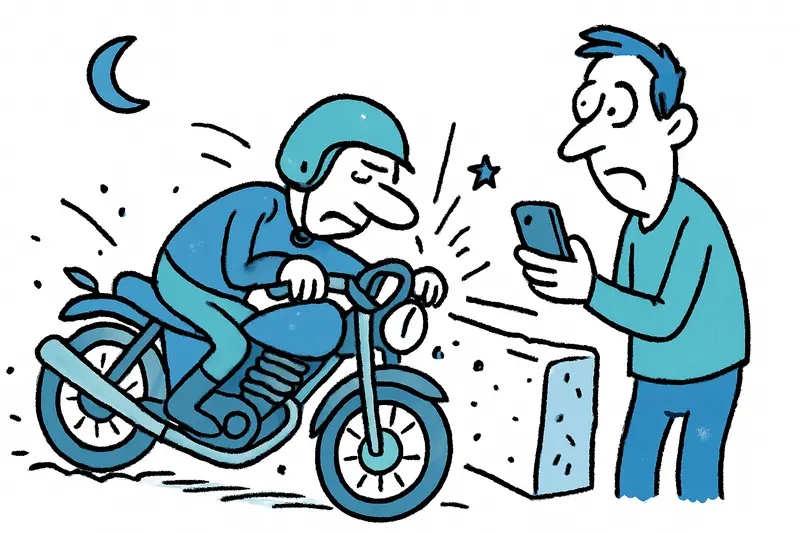
15.06.2026 – Late in the evening, there was a serious motorcycle accident on the country road between Camp de Mar and Paguera. According to available information, a rider lost control of his vehicle in a curve and collided with a pine tree. The man was taken to hospital with severe head injuries. The causes of the accident are being investigated by the authorities.
Key Question
Why do curves on this stretch so often end in serious accidents — and what are we doing about it?
Critical Analysis
It is not uncommon for the narrow coastal road to become dangerous in the evening hours: tight radii, the low sun or the dazzling headlights from oncoming traffic, loose gravel on the road after construction work, and the mix of tourists and local commuters create stress at the handlebars. Added to this are motorized day-trippers enjoying the scenery and sport riders who like to take the bends quickly. Whether speed, road condition or rider inattention was decisive in this case is not yet clear. What is clear, however, is that a collision with a tree often results in severe head injuries — even for helmet wearers, depending on the angle of impact and speed. Similar patterns were reported in Serious Head-On Crash in Paguera: Why Does the MA-1 Remain So Dangerous?.
What Is Missing in the Public Debate
There is a lot of talk about controls and penalties, but rarely about the infrastructure, night-time lighting and road maintenance. Equally overlooked is the question of targeted prevention for motorcyclists — for example evening courses on braking and cornering technique or temporary warning signs during peak seasons. In conversations at the bar in Camp de Mar you often hear resigned remarks about obscure spots, but a systematic mapping of black spots is missing, as highlighted in Three serious accidents in one night: What's wrong with Mallorca's country roads?.
An Everyday Scene from the Island
Imagine the stretch: pine forests on the left, azure sea on the right, the dishes clinking on the terrace of a bar in Camp de Mar, the last guests strolling by. Later you only hear the chirping of crickets and now and then the whir of a motorcycle taking the bend. In such moments it becomes clear how narrow and treacherous the road can be — idyllic and dangerous at the same time.
Concrete Solutions
In the short term, better markings and reflective posts in critical curves would make sense. Rumble strips before particularly treacherous spots and regular cleaning of the road of gravel and leaves could prevent accidents. In the medium term, authorities should map dangerous sections and specifically improve visibility there: trimming trees back, adding additional warning signs, possibly introducing point-based speed reductions. Accompanying local awareness campaigns for motorcyclists and joint action days with driving schools, where braking maneuvers and cornering technique are practiced in real situations, would help; this echoes proposals in Why Mallorca Remains Dangerous for Bikers — and What Could Really Help. Last but not least, better coordination of night-time rescue and recovery routes is important — the faster help arrives, the better the chances of survival after severe head injuries.
Conclusion
The accident of June 15 painfully reminds us how vulnerable motorcyclists are on Mallorca’s coastal roads. Instead of only lamenting after an incident, we need concrete action: a combination of infrastructure maintenance, targeted prevention and pragmatic traffic measures on site. Anyone riding this route between Camp de Mar and Paguera in the evening should adjust their speed, take curves with respect and remember that a life can depend on the next pine tree. This follows earlier analyses such as Why Are So Many Motorcyclists Dying on Mallorca? A Reality Check after the Llucmajor Accident.
Frequently asked questions
What is the weather usually like in Mallorca in July?
Can you still swim comfortably in Mallorca in July?
What should I pack for Mallorca in July?
Is July a good time to visit Mallorca?
What is Port de Sóller like in Mallorca during summer?
Is Sóller too hot to visit in July?
What are the best things to do in Mallorca in hot weather?
Do you need air conditioning in Mallorca in July?
Similar News
No Identification Documents on the Steep Slope: Body near Tolleric Raises Questions
The body of an elderly man was found over the weekend in a wooded area near the cliffs of Tolleric. He had no identifica...
Arrest at the Port: Three Suspected Pickpockets Left Mallorca After Series of Thefts
The National Police stopped three men at Palma harbour who are accused of several thefts at the airport. How could the g...
Palma's Rental Bike Boom: More Bikes, More People, More City Life
Since Bicipalma was opened to non-residents, the system has noticeably grown. Students, residents and tourists bring lif...

Palma–Lyon in Winter: Two Weekly Flights Bring Fresh Momentum
From October Transavia France will connect Palma and Lyon in winter as well: Wednesdays and Saturdays, around 17,000 sea...

Budget holidays in Mallorca: What thriftier tourists really mean
Visitors are spending less: shorter stays, fewer restaurant visits, fewer excursions. A reality check for Mallorca's eco...
More to explore
Discover more interesting content

Boat Tour with BBQ along Es Trenc Beach

Private transfer from Mallorca Airport (PMI) to Pollensa
