
Unintentional Foam Party at Plaza de la Reina: Who's Looking After Palma's Fountains?
Unintentional Foam Party at Plaza de la Reina: Who's Looking After Palma's Fountains?
On Sunday unknown persons turned several fountains in the old town into foamy attractions. A harmless dare or more than a prank? Time for a reality check and concrete protective measures for Palma's historic water features.
Unintentional Foam Party at Plaza de la Reina: Who's Looking After Palma's Fountains?
Key question: Why are our historic fountains so vulnerable — and what needs to change?
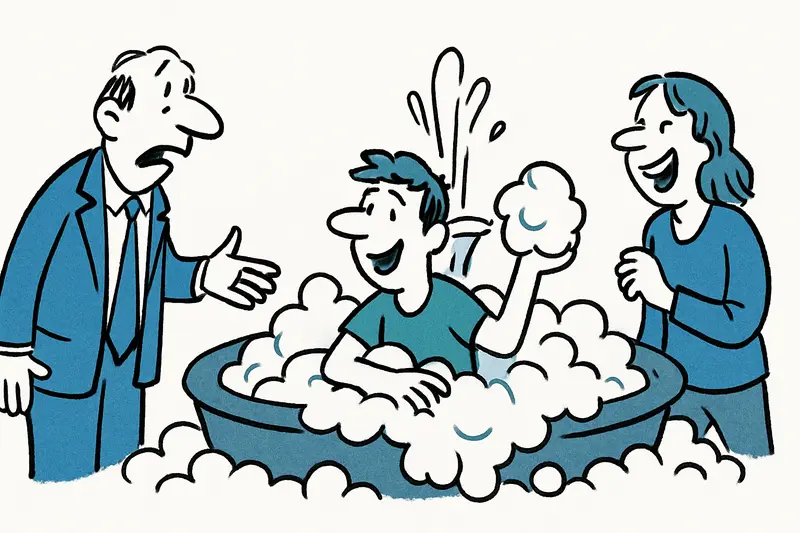
Late on Sunday afternoon the Plaza de la Reina briefly became the scene of a curious spectacle: water jets that normally trickle quietly were covered in thick layers of foam. The main fountain between Avenida Antoni Maura and Paseo del Borne, the side basin at Palau March and even the small fountain below the Joan Alcover sculpture looked like the setting for an improvised party. Tourists pulled out phones, young people scooped up foam with their hands and laughed — the bells of La Seu mixed with the giggling.
In short: someone had poured soap into the water. The local police are now reviewing surveillance footage, city crews were on site to clean up, and the parks and gardens department handled the technical cleanup.
Critical analysis: At first glance this is a stupid prank. Look more closely and the incident raises several problems at once. First: the historic fixtures of the fountains are not merely ornamental; they are technically vulnerable. Foam means chemicals, and these can attack pumps, filters and plants in the adjacent beds. Cleaning costs time and money — both scarce resources in a city centre visited daily by thousands, as a recent report on the Plaça de la Reina: Small Repair, Big Questions About Fountain Maintenance shows.
Second: the response chain appears reactive rather than proactive. Cameras are being checked now; that's correct. But how often does something like this happen before anyone spots a clue? How quickly can emergency teams reach the site if works are damaged in the evening or at night? We're not just talking about property damage, but a piece of the city's history that locals and visitors quietly observe every day.
What is missing in the public debate: the discussion stays on "Who did it?" Hardly anyone asks how urban planning decisions and everyday reality fit together. Are there clear rules for night-time closures? Are sensitive fountains accessible at night, particularly during large events such as When Palma Becomes a Dancefloor: "Patrona" on the Paseo Marítimo — Opportunity or Noise Test?? How is communication organized between the cleaning crew, police and monument protection? And lastly: who reminds visitors that historic fountains are not playgrounds for water?
An everyday scene: I often walk across the square, hear the clatter of delivery bikes on Passeig des Born, see the market stalls in the early evening and the seniors sitting on benches. When a fountain suddenly becomes a photo backdrop for a prank, it affects the people who sit there every day; similar playful moments have been reported around the cathedral promenade in Water Fight in Front of La Seu: Colorful Splashing at Parc de la Mar. Last week I saw an elderly woman gesture because children had stepped onto the lawn between Palau March and the gardens — such small transgressions add up.
Concrete approaches, without overusing words like "important": 1) In the short term, cleaning kits for foam-causing contamination must be available: biodegradable neutralizers, protocols for pumping out water and trained teams who can immediately assess technical damage to equipment. 2) In the medium term sensitive fountains could be mechanically secured at night — not fixed covers, which would destroy the monument's character, but movable protective grilles or temporary barriers that are automated. 3) Visible notices at the fountains, short and concise in several languages explaining why the water must be protected, linked to QR codes for reporting incidents. 4) Better networking: a digital alarm and reporting system that connects cleaning, police and monument protection in real time. 5) Educational work: involve schools and tourist information services more so visitors understand what "do not touch" means.
Legal measures belong here: those who can be proven to have caused damage to public artworks should face substantial fines — but this must be regulated transparently. Fines alone are not enough; accompanying reparations, such as participation in clean-up operations or local educational work, would be more meaningful penalties.
A small ironic detail: the young group enjoying themselves in the foam apparently had no idea they were playing in a place that stores the city's memories. For them it was fun, for the city maintenance service an unannounced aeration program with high-pressure cleaners.
Punchy conclusion: Palma's fountains are more than photo props — they are technical, historical and social components of the old town. An entry in the police reports is not enough. If the city wants to protect its fountains, it needs less moral head-shaking and more practical precautions: faster response means, clearer rules, cross-department cooperation and a little more respect from those who visit. Otherwise the foam party will repeat itself — perhaps with a different outcome.
Frequently asked questions
Why did the fountains in Palma's Plaza de la Reina turn foamy?
Are Palma's historic fountains vulnerable to damage?
What happens when soap gets into a fountain in Mallorca?
How does Palma respond when a public fountain is vandalised?
Can you swim or play in the fountains at Plaza de la Reina?
What should Mallorca visitors know about respecting public fountains?
What improvements could help protect Palma's fountains at night?
Why does Plaza de la Reina matter beyond the fountain incident?
Similar News
So Many Tonnes: What Mallorca's Garbage Boats Accomplish — and What's Missing
23 boats patrol in summer, and 36.8 tonnes were recently pulled from the water. The fleet is shrinking — is that still e...
No Identification Documents on the Steep Slope: Body near Tolleric Raises Questions
The body of an elderly man was found over the weekend in a wooded area near the cliffs of Tolleric. He had no identifica...
Arrest at the Port: Three Suspected Pickpockets Left Mallorca After Series of Thefts
The National Police stopped three men at Palma harbour who are accused of several thefts at the airport. How could the g...

Palma's Rental Bike Boom: More Bikes, More People, More City Life
Since Bicipalma was opened to non-residents, the system has noticeably grown. Students, residents and tourists bring lif...

Palma–Lyon in Winter: Two Weekly Flights Bring Fresh Momentum
From October Transavia France will connect Palma and Lyon in winter as well: Wednesdays and Saturdays, around 17,000 sea...
More to explore
Discover more interesting content

Boat Tour with BBQ along Es Trenc Beach

Private transfer from Mallorca Airport (PMI) to Pollensa
