
Turquoise family escape: Nadal retreats to the Exumas with his wife and sons
Turquoise family escape: Nadal retreats to the Exumas with his wife and sons
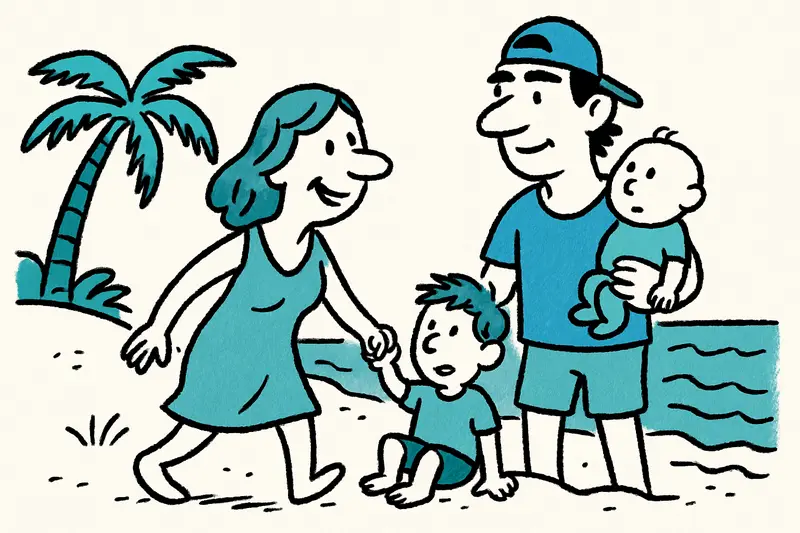
Rafael Nadal has withdrawn to the Exumas in the Bahamas with his wife and children. The images of his short getaway combine beach idyll with a clear call to protect nature — a message that echoes in Mallorca.
Turquoise family escape: Nadal retreats to the Exumas with his wife and sons
A small private gathering under the palms — and a reminder why protecting beaches matters
March on Mallorca has been fickle this year: rain, fresh breezes and even a few snowflakes in the mountains have left the street cafés in Palma quieter. This week one of our best-known islanders swapped the Passeig Mallorca for white sand and azure water: Rafael Nadal retreated to the Exumas (Bahamas) with his wife Mery Perelló and their two sons for a family break (see Rafa Nadal's Retreat in Porto Cristo: Tranquility, Sea and Family).
The photos the Manacor-born athlete shared on his Instagram profile show small hands in the sand, turquoise sea and the relaxed routine of a large family on the beach. They were apparently accompanied by other relatives — parents, siblings, a bit of bustle, but all very private and without a flashy appearance. For many on the island it was a brief moment to feel proud: one of us enjoying peace and relaxation with his family.
Less ornament, more message: Nadal used the opportunity to remind people to respect such places. His words were not a loud demand but a personal note: appreciation for unspoiled coasts and the responsibility to preserve them so future generations can experience them. This fits the image many Mallorcans have of him: modest, nature-loving and family-oriented.
On the island itself you can observe this desire for preservation every day. Early in the morning fishermen at Portixol tidy their nets, at the Plaça Major an older woman picks up the plastic bottles the wind has brought in, and on the Camino de s’Arxiduc joggers pass by coves that are sensitive to litter and overuse. These small scenes are the quiet reasons why protection measures make sense.
Why is this good for Mallorca too? Celebrity moments like this generate attention without a big media frenzy; even other public figures sometimes reminisce about the island, as in Boris Becker on Spanish Television: Mallorca Memories and a Tip for Nadal. When an internationally known Mallorcan highlights the beauty of remote islands and at the same time calls for consideration, he reaches people who otherwise rarely think about protected areas or local conservation initiatives. That can help mobilize donations, recruit volunteers or simply raise consumer awareness: a less crowded beach is more enjoyable for everyone.
Practically, this means small, feasible steps in everyday life. On the next outing take a reusable water bottle, separate and dispose of waste properly, keep distance from seagrass meadows when boating and support local conservation groups. In Mallorca there are numerous initiatives, from beach clean-ups to projects for the preservation of Posidonia seagrass — all ways to turn appreciation into action.
And what remains from Nadal's break for us? A photo album of the sea that briefly makes the island forget the gray days, and a reminder that holidays are not only a privilege but also a responsibility (see Nadal's Gift to Juan Carlos: A Photo That Connects Majorca). While espresso cups clatter again in cafés around the Passeig del Born and the wind from the Tramuntana mountains brings a few cool gusts, one can take something from this example: hours with the family are precious and so are our coasts.
If you're thinking of a trip to Mallorca now: it doesn't have to be the Caribbean. A short escape to a cala, a picnic by the sea without plastic, an afternoon with the children in the nature reserve — these are the things that matter at home. And if one day a son from Manacor sits in a photo with wet feet on the beach and says he remembers that day, then that's a kind of holiday legacy that lasts.
Outlook: Such quiet messages can move more than PR photos. If we here on the island take his thoughtfulness and act on a small scale, nature benefits — and the next generations get their own Exuma moments, perhaps even close by.
Frequently asked questions
What can Mallorca travellers learn from Rafael Nadal’s family holiday in the Exumas?
Why are protected beaches and clean coasts such a big topic in Mallorca?
When is a good time to go to the beach in Mallorca if the weather is unsettled?
What should I pack for a beach outing in Mallorca with children?
What is Posidonia seagrass and why does it matter in Mallorca?
How can visitors help keep Mallorca beaches clean without much effort?
What is special about Portixol in Mallorca for people who like the sea?
Is it worth choosing a quieter cala in Mallorca instead of a crowded beach?
Similar News

More Electric Cars in the Balearic Islands: Sales Rise Sharply
Between January and August, 14,185 vehicles without petrol or diesel propulsion were sold — an increase of more than 40 ...
Autumn in Mallorca: What Truly Remains of Summer
The days grow shorter, the evenings cool — and yet more of summer lingers than you might think: sounds, recipes, people,...
Rescue operation at Tolleric: Why nighttime cliff parties become dangerous
A British holidaymaker fell about ten meters at the cliffs of Tolleric during the night, later climbed back up and was r...
Car accident on the MA-1: Mother and daughter on a bicycle struck by a fellow countryman – Who protects cyclists here?
On the MA-1 between Portopí and the Cala Major exit, a mother and her daughter on a bicycle were struck by a car. A para...
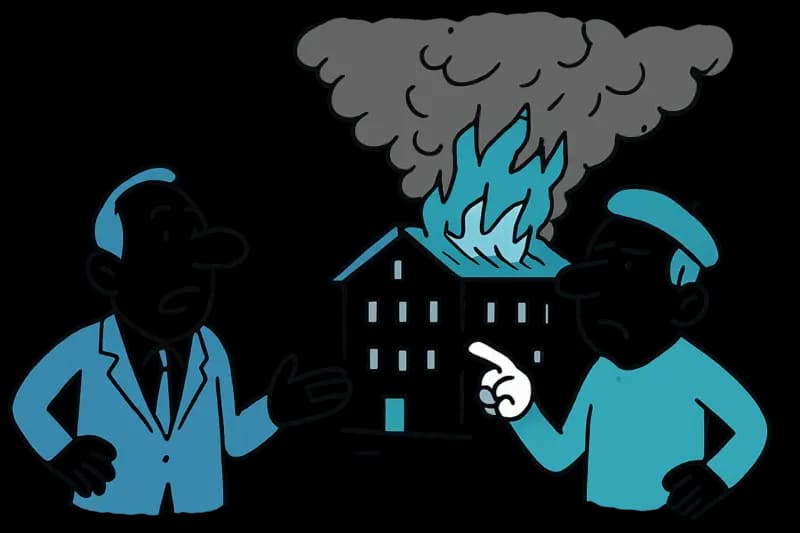
Smoke over the UIB: Who is responsible for the fire on the roof?
On Saturday afternoon a fire broke out on the roof of the Arxiduc Lluís Salvador building at the University of the Balea...
More to explore
Discover more interesting content

Can Cap de Bou

Townhouse Lleo 72
