
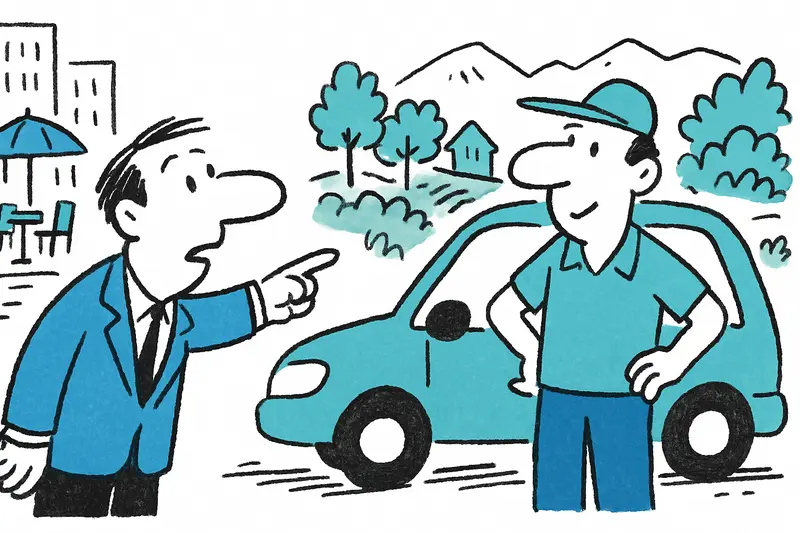
More than Palma: Where Mallorca Really Begins
Palma is the entry point — but the island only reveals its character beyond the city walls. How a late breakfast on the Passeig del Born can be combined with a country market in Sineu and when renting a car makes sense.
More than Palma: Where Mallorca Really Begins
Why the city is only the start of an island full of contrasts
For many, Palma is the first glimpse of Mallorca: the cathedral, shaded cafés on the Passeig del Born, the murmur in the narrow streets, and some of Palma's understated spots are collected in Palma's Quiet Favorites: Where Neighborhood Still Comes to the Table. In the morning, when delivery vans trundle along the Ramblas and pigeons bask on the stone walls, the city feels familiar and manageable. But whoever leaves the city limits soon notices: the island has many other moods.
Within half an hour the urban noise can suddenly quiet down. Houses become lower, the road narrower, the pace gentler. Toward the Serra de Tramuntana the landscape turns into stone terraces and olive groves, small villages cling to the slopes, and the wind smells of pine and sea. This is not exotic — this is Mallorcan everyday life.
The Serra de Tramuntana, a UNESCO World Heritage Site since 2011, is not just a backdrop for a postcard. Its dry-stone walls, old paths and scattered fields tell of centuries of use. The mountain roads, such as the MA-10, are winding and often narrow; distances that look short on the map require time and attention on site. Good reasons not to overload the day and to drive slowly and deliberately.
The island's interior shows a different rhythm again. Places like Sineu or Petra live from their markets, not from showmanship. On Tuesdays or Wednesdays traders, olive growers, the curious neighbour and locals doing their shopping dominate. Here you encounter tangible things: oranges, goat cheese, stalls with handcrafted pottery. For visitors the experience is honest and unhurried — a contrast to Palma's tourist infrastructure.
Many therefore choose to rent a car if they want to experience the contrasts themselves, as explained in Discover Mallorca by Rental Car: Why a Car Makes the Day. The options in Palma make this easy; those who want flexibility rent a car for days or weeks. Without a vehicle, spontaneous detours to remote coves, mountain villages or weekly markets are often more cumbersome: bus connections are usually focused on coastal towns and main axes, and outside the season they decrease further.
That does not mean you are stranded without a car. If you have time, you can discover a lot by bus, train or bicycle — and often the quiet routes are a bonus. For families or people who want to visit several places in one day, however, a car remains the most practical means.
What remains is the feeling that Mallorca consists of many small stories. One morning a cappuccino on the Passeig del Born, in the afternoon a walk through olive groves above Valldemossa, and in the evening a simple tapas hour in a village where the streetlights only come on late. Days like this show an island that is not measured only by big sights, and these small everyday anchors are described in How Mallorca Really Becomes Your Home: A Practical Guide from Island Experience.
This is good for the island too: the more people appreciate the less frequented corners, the more visitor density is distributed, and local trends are explored in When the Surroundings Overtake Palma: Opportunities, Risks and the Quiet Revolution on the Island. Quiet villages keep their everyday life, mountain roads remain in use, and markets stay meeting places for locals. The only important thing is respectful behaviour: drive more slowly, support local businesses, and respect the paths and walls.
So those who come to Mallorca may well start with Palma. The city offers orientation, culture and amenities. But if you want to know how the island really ticks, go beyond the Mediterranean coast by car, train or bike — and let yourself drift. Only then do the small, everyday scenes that make up Mallorca open: a bakery in Sineu, the rustle of the pines, an old wall lit by the late-afternoon sun.
Inspiration for your next route: a late coffee in Palma, then toward the Tramuntana with a detour to Valldemossa, on to the market in Sineu or Petra — and in the evening a quiet stretch of coast away from the main promenade. This way you combine city vibes and island everyday life, in one day or spread over several. In short, Mallorca is more than Palma — and that's a gift for anyone who stays and wants to discover it.
Frequently asked questions
What is Mallorca like outside Palma?
Do you need a car to explore Mallorca properly?
Is the Serra de Tramuntana worth visiting from Palma?
What should I know before driving in Mallorca’s mountain roads?
Are the markets in Sineu and Petra worth visiting?
What is Valldemossa like compared with Palma?
Can you explore Mallorca without a car?
What is the best time of day to leave Palma for the countryside?
Similar News
Warning to Bathers: Nipping Fish in Cala Major and Other Coves — a Reality Check
In Cala Major and several beaches around Mallorca, bathers report painful “nips”. Who are the animals, why are they gett...
Rental Car Theft in El Arenal: What This Incident Reveals About Our Gaps
A teenager steals a running rental car in El Arenal, flees on foot, climbs over walls and is caught by the Guardia Civil...
Red Rope in Palma's Library: What Helps Against Selfie Tourism — and What's Missing
Palma's city library cordoned off an area with a red rope to keep selfie tourism away from reading and working activitie...
Fort San Carlos: Museum, Harbor Dispute — and a Conflict That Demands Answers
The military museum at Fort San Carlos sits right on Palma's harbor, with unexpectedly quiet rooms filled with cannons a...
Old Town Under Pressure: When a Doorway Becomes a Sleeping and Shower Place
For months a woman has been living with a parasol, a clothes rack and personal belongings next to the social welfare off...
More to explore
Discover more interesting content

Can Cap de Bou

Townhouse Lleo 72
