
Formentor: Tourists film car thieves with their own drone – 1,000 euros gone, what now?
Formentor: Tourists film car thieves with their own drone – 1,000 euros gone, what now?
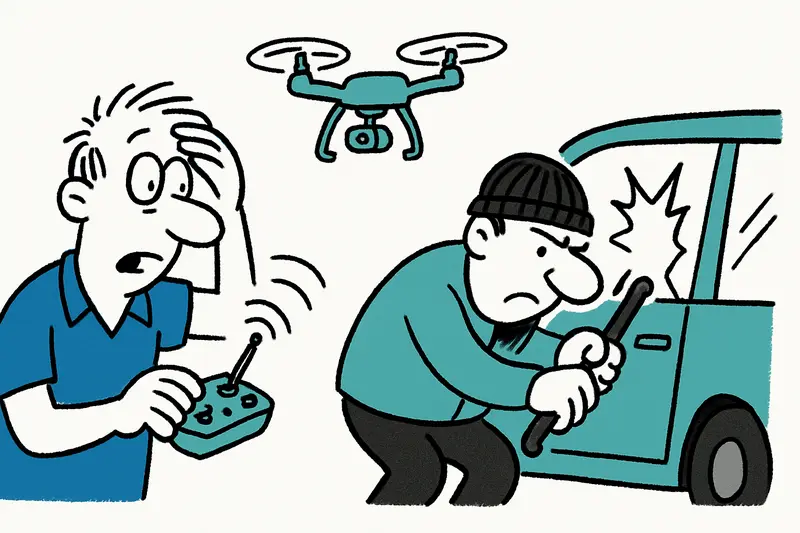
A five-member German family was robbed at the Talaia d'Albercutx viewpoint. They filmed the suspected perpetrators with a private drone. A reality check: How safe are viewpoints, how does the police respond and what should holidaymakers consider now?
Formentor: Tourists film car thieves with their own drone – 1,000 euros gone
On March 20 a five-member family from Germany fell victim to a vehicle break-in at the Talaia d'Albercutx viewpoint in Formentor. 29-year-old Nicole H. from the Allgäu had gone on an excursion with her partner, sister and parents. The group parked their rental car in the lot, walked the short, stony path up to the viewpoint and, out of habit, left bags inside the vehicle. A few minutes later the car alarm went off: €1,000 in cash had disappeared and the passenger door lock was damaged. By chance the family had a private drone with them – it captured footage that appears to show suspects breaking in. The holidaymakers then drove to the police station in Pollença and filed a report. According to those affected, the rental company covered the damage to the car.
Key question
Why do spontaneous evidential photos from tourists often fail to create a sense of security, and what would need to change so that perpetrators are caught more quickly?
Critical analysis
The fact that thieves can strike so quickly at a relatively remote viewpoint is no coincidence: viewpoints like the Talaia d'Albercutx are heavily frequented (see Mirador d'es Colomer: Three Arrests — How Safe Are Mallorca's Viewpoints Really?): visitors are distracted, and the parking areas create a time window for offenders. That the family provided drone footage was a stroke of luck; in many cases such recordings are missing. On the other hand, the victims report that the photos made little impression when they reported the incident and the officers did not initially ask for them. This does not explain police work – but it raises questions about communication and evidence handling: How are private videos processed, how is it ensured that they contribute to investigations and do not disappear into an inbox?
Legally, private recordings can be useful, but a clear handover is needed, documentation of the time and circumstances, and contact with the responsible investigators. Without these steps material often goes unused. The problem is also systemic: if more cars at known hotspots are left unattended, increased presence is necessary – be it via patrol cars, targeted checks or visible prevention signs in the parking area.
What is missing in the public discourse
Reports of individual incidents provoke outrage, but rarely provide clear information for travelers and those responsible: How often do break-ins occur at this spot per season? What concrete instructions do rental companies give before departure? What agreements exist between local police and tourist services for the rapid evaluation of video material (compare Arrest in Capdepera: After shots at a checkpoint — what does it reveal about security and rental-car crime?)? Without these figures and arrangements the debate remains at the anecdotal level.
Everyday scene from Mallorca
Imagine the morning: cool Tramuntana air, the scent of pine, occasional buses lining the rows of parked cars; tourists posing with wind in their hair, children running with ice cream cones, and above it all a small drone buzzing as it captures a bay. Nobody expects the quiet crack of a car window. Then suddenly a beep, frantic searching, and the mood at the parking lot collapses: the excursion is ruined, the atmosphere changed.
Concrete solutions
For holidaymakers: • Leave valuables in the hotel safe where possible or hide them in the trunk in a suitcase; never leave them visible inside the vehicle.• Spread cash across several places and do not keep everything in one spot.• Activate alarm systems, lock windows and doors, choose parking spaces within sight.• If you have photos or videos as evidence: note the time, make copies, insist on presenting or handing them over directly at the police station and obtain a receipt.
For authorities and municipalities: • Install visible prevention signs at popular viewpoints with clear behavior guidelines.• Schedule regular patrols by the Guardia Civil or local police during peak times (see Beach theft in Cala d’Or: Four arrests — what can really protect tourists).• Provide an open interface for private evidence photos: a defined email address or digital form so that material arrives with a timestamp and contact details.
For rental companies and tourist services: • Give clear information to customers at vehicle handover about risk zones and conduct during parking stops.• Cooperate with municipalities on preventive campaigns; communicate insurance conditions transparently.
Conclusion
The case at Talaia d'Albercutx shows two things: tourists are vulnerable, and private technology like drones can help – but only if used correctly and formally handed over. A few minutes of inattention can cost money and nerves. The island has an interest in making such spots safer: better information, more presence and a practical way to submit private recordings as evidence would help many. Until then the simple rule applies: keep keys, wallet and handbag close to your body or in the safe – even if the view is tempting.
Frequently asked questions
How common are car break-ins at viewpoints in Mallorca?
What should I do if my rental car is broken into in Mallorca?
Can private drone footage help after a theft in Mallorca?
Is Talaia d'Albercutx in Formentor safe for tourists parking there?
Where should I report a theft or break-in near Formentor?
What should I leave out of my car when visiting Mallorca viewpoints?
Do rental companies in Mallorca cover damage after a break-in?
How can tourists stay safer at remote viewpoints in Mallorca?
Similar News
More Electric Cars in the Balearic Islands: Sales Rise Sharply
Between January and August, 14,185 vehicles without petrol or diesel propulsion were sold — an increase of more than 40 ...
Autumn in Mallorca: What Truly Remains of Summer
The days grow shorter, the evenings cool — and yet more of summer lingers than you might think: sounds, recipes, people,...
Rescue operation at Tolleric: Why nighttime cliff parties become dangerous
A British holidaymaker fell about ten meters at the cliffs of Tolleric during the night, later climbed back up and was r...
Car accident on the MA-1: Mother and daughter on a bicycle struck by a fellow countryman – Who protects cyclists here?
On the MA-1 between Portopí and the Cala Major exit, a mother and her daughter on a bicycle were struck by a car. A para...
Smoke over the UIB: Who is responsible for the fire on the roof?
On Saturday afternoon a fire broke out on the roof of the Arxiduc Lluís Salvador building at the University of the Balea...
More to explore
Discover more interesting content

Can Cap de Bou

Townhouse Lleo 72
