
German Prescriptions in Mallorca: When the Paper Isn't Enough
German Prescriptions in Mallorca: When the Paper Isn't Enough
Many long-term residents know this: they bring a German prescription and the pharmacist shakes their head. Why EU rights often fail in everyday life, how telemedicine helps, and what the island is missing.
German Prescriptions in Mallorca: When the Paper Isn't Enough
Key question: Why do Mallorcan pharmacies frequently not accept prescriptions from Germany — and how can everyday life be made more practical for the roughly 20,000 Germans living here, a topic also raised in Why fewer Germans are coming to Mallorca this summer - and what the island should do now?
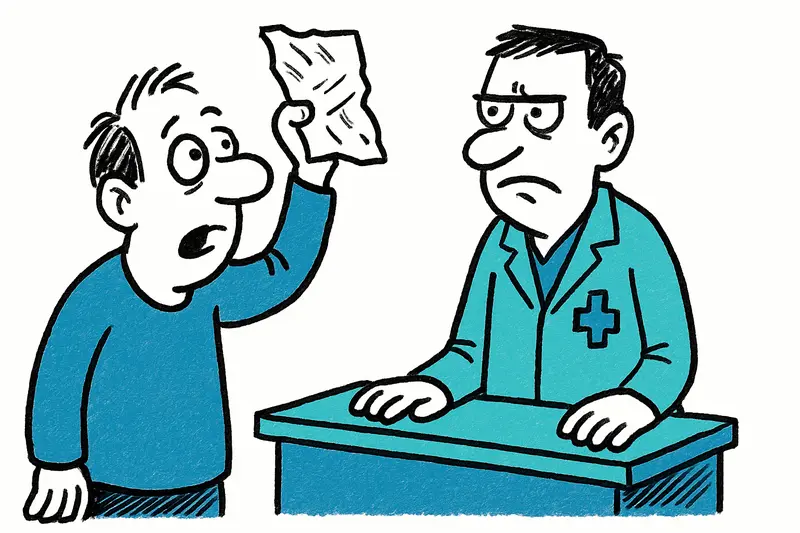
It's one of those early-morning moments in Palma: on the Passeig del Born the sun casts the sandstone facades a soft orange, the temperature is around 11°C, and a loose queue forms in front of the small farmacia on the corner. A woman holds up a crumpled sheet, the pharmacist furrows his brow; a mix of Spanish and English flies back and forth. The scene looks harmless, but it costs time, nerves and sometimes money.
Analysis: Where theory ends
On paper the situation is simple: EU prescriptions are supposed to be valid cross-border. In practice the island stumbles at several points: different trade names for active ingredients, slight differences in dosages, missing possibilities to quickly verify the issuing doctor. Result: pharmacies do not always dispense medicines, patients have to see a Spanish doctor — often paid privately, with bills between €60 and €120 per appointment, even as the region has tried to increase capacity with measures such as 35 new pharmacies in the Balearic Islands, 14 of them in Palma.
This is particularly frustrating for people on stable long-term medication — blood pressure, thyroid, contraception, mental health support. They know their medicines, they work, but the prescription from home is not enough. For many this is not a small obstacle but a recurring disruption in daily life.
What is missing in public discourse
The debate often stays on the surface: "The system is different" is an explanation but not a solution. Concrete practice is missing: an easy guide for residents, a binding verification option for pharmacies and clearer information about which prescriptions can be transferred online or digitally. The perspective of pharmacists is also often missing: why exactly do they refuse in certain cases? Is it legal uncertainty, protection against incorrect dispensing or simply language problems?
Everyday scene as a clue
At the Santa Catalina market not only vegetables are exchanged at the weekly market, but also experience: anyone who regularly obtains medicines from Germany tells how they bring packages from home or place orders to a German address. Those living in Cala Major know the Parc de la Mar as a meeting point for swapping doctor appointments: a short exchange, a slip of paper — pragmatic, but not a solution for everyone.
What already helps — and where caution is advised
Telemedicine is on the rise: online doctors review questionnaires, issue private prescriptions and partner pharmacies ship discreetly by parcel service. This saves trips and language stress; platforms like Apotheke365 offer German-language procedures and fast shipping. Important note: legal EU pharmacies display the official safety logo and should be verifiable in national registers — check the EU online pharmacy logo before ordering.
Concrete approaches for Mallorca
1) Information sheet for residents: a bilingual overview (Spanish/German) explaining which prescriptions are recognized, which documents pharmacies need and how telemedicine works. 2) Binding verification tools for pharmacies: an easily reachable verification route for foreign prescriptions — digital, quick and robust. 3) Regional list of German-speaking doctors plus appointment slots for follow-up prescriptions, complemented by clear price information. 4) Training for pharmacists: short guides to international active ingredient names (INN) and typical case constellations. 5) Supportive practice: cooperation between local pharmacies and trusted online service providers so that residents receive medicines legally and transparently.
Concrete steps for those affected
Those who regularly need medications should check: is there a German neighbor who brings medicines during visits? Is a telemedicine service with an EU-registered pharmacy worthwhile? And: before the first attempt, call a pharmacy briefly, state the active ingredient instead of the brand name, and ask for legal certainty by checking for the EU pharmacy logo.
Conclusion: It's not just about formalities. Behind every refused dispensing is an interrupted everyday life, frustration and, in the worst case, a health risk. The island needs pragmatic, comprehensible rules — digital verifications, better information and local agreements could significantly ease the problem. Until then, telemedicine and well-organized home deliveries remain the most practical bridge for many over an unnecessary paper problem.
Frequently asked questions
Why do pharmacies in Mallorca sometimes refuse German prescriptions?
Can I use a German prescription at a pharmacy in Mallorca?
What should I do if my prescription is not accepted in Mallorca?
How much does a private doctor’s appointment cost in Mallorca for a prescription?
What is the best way to get regular medication in Mallorca if I live there long term?
How can I tell if an online pharmacy for Mallorca is legal?
What can German residents in Mallorca do to make getting prescriptions easier?
Are there German-speaking doctors in Mallorca who can help with prescriptions?
Similar News
Palma, Palma de Mallorca, Palma‑Mallorca: What is it really about?
The debate over the city's name is more than grammar: it concerns identity, law and branding policy. A sober reality che...
Warning to Bathers: Nipping Fish in Cala Major and Other Coves — a Reality Check
In Cala Major and several beaches around Mallorca, bathers report painful “nips”. Who are the animals, why are they gett...
Rental Car Theft in El Arenal: What This Incident Reveals About Our Gaps
A teenager steals a running rental car in El Arenal, flees on foot, climbs over walls and is caught by the Guardia Civil...
Red Rope in Palma's Library: What Helps Against Selfie Tourism — and What's Missing
Palma's city library cordoned off an area with a red rope to keep selfie tourism away from reading and working activitie...
Fort San Carlos: Museum, Harbor Dispute — and a Conflict That Demands Answers
The military museum at Fort San Carlos sits right on Palma's harbor, with unexpectedly quiet rooms filled with cannons a...
More to explore
Discover more interesting content

Can Cap de Bou

Townhouse Lleo 72
