
Why the Nadals Briefly Moved Away This Year — and What That Has to Do with Our Island
Why the Nadals Briefly Moved Away This Year — and What That Has to Do with Our Island
Rafa Nadal and his family spent parts of the summer on Hvar. The episode raises questions: How do we protect privacy and who sets the boundary between celebrity everyday life and holiday tourism in Mallorca?
Why the Nadals Briefly Moved Away This Year — and What That Has to Do with Our Island
Guiding question: Who protects the privacy of locals when social media and tourism blur the boundaries?
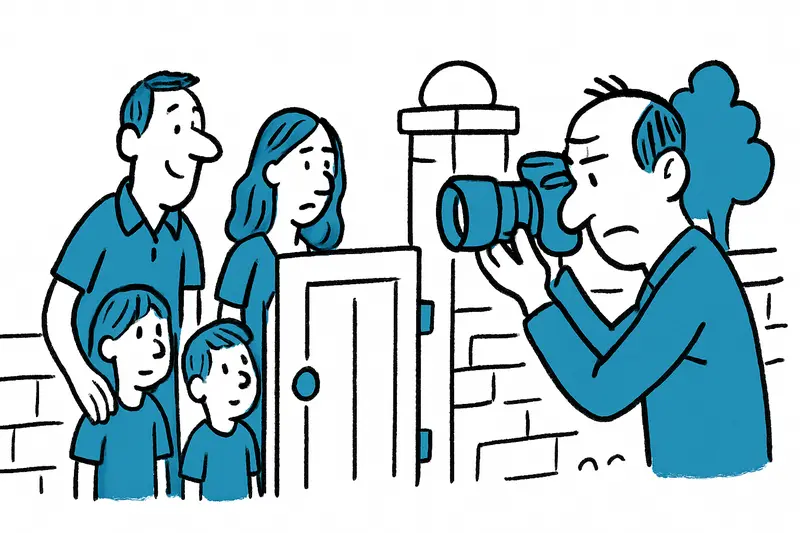
That Rafa Nadal, who lives as a neighbor and father in Manacor, was temporarily not on Mallorca during the summer and shared photos with his family from the Croatian island of Hvar is not a scandal. But the pictures and a subsequent key scene in front of his retreat in Porto Cristo — tourists ringing the bell unannounced and the internet immediately passing judgment — reveal a deeper tension on the island.
The family photo on Hvar names people many here know: father Sebastián, uncle Miquel Àngel, sister Maribel, wife Mery Perelló and the minor children. That the Nadals have in other years also vacationed outside Mallorca, for example in the Caribbean, is a private decision of a prominent family. Still, private travel quickly becomes a public event as soon as photos circulate and followers comment on them.
In short: fame plus social media creates a kind of permanent spectacle. On the narrow paths around the harbor of Porto Cristo, when boats rock quietly in the evening and the seagulls give their evening concert, you notice the pressure on public space. Piers, promenades and viewpoints are there for everyone — but not all parts of the coast are publicly accessible.
Critical analysis: The incident with the doorbell-ringing tourists illustrates three problems: unclear expectations from visitors, lack of sensitivity for privacy and an online logic that judges immediately. Authorities, tourism professionals and residents rarely talk concretely about where the line between normal curiosity and trespass lies. Instead, debates often turn around outrage posts and blame.
What is missing in public discourse is a sober look at practical solutions. Much is said about celebrities and shitstorms, little about how to make it clear to visitors on site: privacy must be respected here. No signs with names or "celebrity hints" are necessary — but clear notices at harbors, parking lots and popular walking routes would help.
Everyday observation from Porto Cristo: On a late afternoon you see retirees sitting on the passeig, fishermen handling their last nets, children throwing breadcrumbs into the water. A small motorboat moors, the smell of diesel mixes with fried fish. In this calm scene unexpected visitors at a private gate disturb the balance — not only for those affected, but for the neighborhood.
Concrete proposals: 1) Tourist information offices and car rental companies should hand out a short information card: "Respect private property and do not ring without invitation." 2) Harbors could install information boards explaining conduct on board and ashore. 3) Local authorities and communities should create a simple complaints channel so cases can be resolved without major escalation. 4) For especially exposed properties, discreet but visible boundaries and clearer signage would be sensible — not as isolation, but as prevention.
Legally: private property is private. But legal steps are often expensive and lengthy; preventive measures save nerves. The police also have limited resources — which is why the neighborhood is called on to agree rules and talk to each other instead of going straight to the internet and passing judgment there.
What the island can learn from this case: Celebrities will come and go. It's not about keeping stars away, but about a culture of respect. A simple explanation when renting holiday homes, a friendly notice at the harbor, a clear sign at the property boundary — these are small things with big impact.
Punchy conclusion: The Nadals are not the problem; the system is. If we want Mallorca to remain livable — for locals, for celebrities, for guests — then we must make the grey areas between publicness and privacy more visible. Otherwise all that remains is the shitstorm and a resentful neighborhood that hides itself more than necessary.
Frequently asked questions
When is Mallorca's best time to visit for pleasant weather and fewer crowds?
How warm is the water around Mallorca for swimming?
What should I pack for a Mallorca trip?
Is it easy to get around Mallorca without a car?
What are some family-friendly activities in Mallorca?
What Mallorca dishes should I try and where to find them?
Are day trips from Palma worth it, and what’s a good starter option?
What safety or beach conditions should I know when swimming on Mallorca’s beaches?
Similar News

Rats in Llucmajor: How Uncollected Garbage Became a Health Problem
In Llucmajor, uncollected trash bags, overflowing containers and rain are leading to increased rat sightings. An assessm...
Sly Distraction Scam at Ballermann: How Tourists Became Targets — and What Must Be Done Now
Five suspected pickpockets were arrested. Their method: distract, secure the loot, return the wallet — without the cash....
Eviction in El Arenal: Who protects neighbors — and who protects the homeless?
A vacant hotel on Carrer Girona was cleared and secured. The neighborhood breathes a sigh of relief. But the action trea...
'La Tapita' loses its home: Who will protect Palma's last affordable meeting places?
The bar 'La Tapita' on Simó-Ballester Street will close at the end of December. For neighbors, police officers and small...
Million Heist at Bulgari: Who Is Responsible for Palma's Security Gaps?
Three men stole jewelry worth around one million euros – the crime series began at the end of September and was likely c...
More to explore
Discover more interesting content

Can Cap de Bou

Townhouse Lleo 72
