
Nearly Poisoned Sisters at Ballermann: Where the Hotel Failed — and What Must Happen Now
Nearly Poisoned Sisters at Ballermann: Where the Hotel Failed — and What Must Happen Now
Two German sisters in a hotel on the Carretera Militar apparently lost consciousness due to carbon monoxide. Guests had previously complained about irritations. Who is responsible, and how can vacationers be protected in the future?
Nearly Poisoned Sisters at Ballermann: Where the Hotel Failed — and What Must Happen Now
Key question: Why were warning signs in the room not taken seriously, even though guests had already complained?
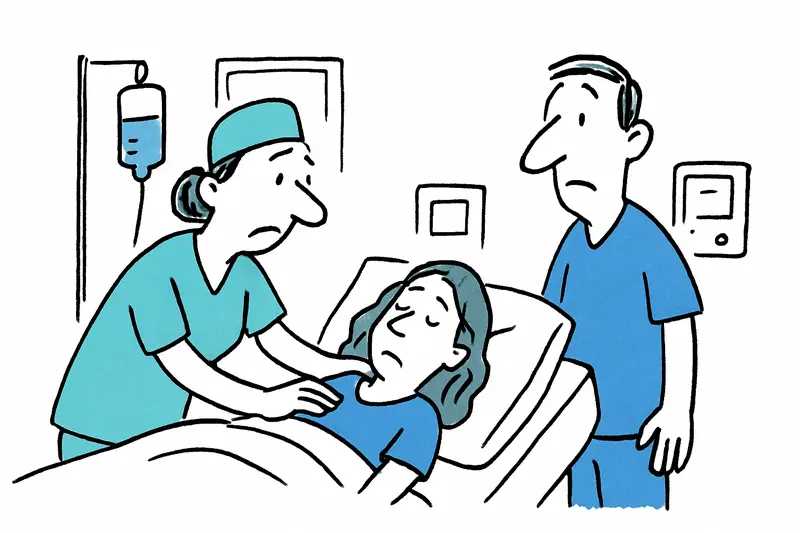
It is a night scene you do not want to repeat in this area: Carretera Militar No. 247, somewhere between flashing bar lights and the distant roar of Playa de Palma. Around midnight worried relatives call, the hotel phone rings — but no one answers in the room. Minutes turn into hours. Then the sirens: two units from the tourism division of the local police, ambulance, fire brigade, the national police. On site, responders find two German holidaymakers unconscious. First aid. Transport to Son Llàtzer hospital. One of the women is later transferred to the private Juaneda clinic and receives hyperbaric chamber treatment. That is the fact.
Investigation files and witness statements contain further worrying details: guests who had previously occupied the same room were reportedly moved to other rooms the day before because they complained of throat irritation. Firefighters who inspected the room saw signs of a leak — presumably in a pipe running through the room that may be connected to the kitchen. The national police have taken over the investigation, as with other local incidents such as Sudden death at Balneario 2: What the incident in Arenal reveals about our emergency preparedness.
In short: there were warning signs. Repeatedly. Yet apparently no effective protective mechanism was in place. That is the real concern, not only for the families involved but for anyone vacationing here.
Critical analysis
Hotels are not ordinary private households; they host changing people every day, many from abroad, who lack a local sense of routine. If guests complain of throat irritation or feel unwell, it can be a harmless cold — or the first sign of a dangerous gas. Carbon monoxide is odorless, invisible and treacherous. For that reason alone, warning signals must not be met with bureaucratic forms or referrals to “room access only with permission.” In this case relatives reported that staff initially cited legal hurdles and refused to open the door without consent. Whether that was an official instruction or uncertainty must be the subject of the investigation. One thing is clear: in a potential emergency, the rule of “house rights” is of no use.
What is missing in the public discourse
A major issue that rarely gets attention: how good are the technical inspections in smaller guesthouses and pensions? Are gas installations checked regularly? Are carbon monoxide detectors mandatory in hotel rooms — and if so, do they actually work? The perspective of staff is also missing: do reception teams have clear emergency protocols that allow them to intervene against a guest's wishes when life is at risk? Too often the discussion after an incident ends with regret and insurance questions instead of practical changes, as other cases have shown like Arrest in Cala Bona: How Could This Go On for So Long?.
Everyday scene from the island
The next morning suppliers sit in the nearby bar, the smell of coffee mixes with sea breeze, the garbage truck rattles by, and one hears conversations like “why didn't the hotel just check?” Such remarks are common in small shops and at the market in El Arenal: people who live here are pragmatic. Many hoteliers are too. But routine must not turn safety checks into a tedious obligation. Similar everyday accidents have made headlines, for example Fall at Ballermann: Why a Morning on Playa de Palma Can Turn into an Accident.
Concrete solutions
1) Immediate measures for operations and staff: emergency protocols that allow entering a room when guests are unreachable and there are signs of breathing problems; mandatory training for reception and housekeeping in recognizing CO symptoms.
2) Tighten technical standards: mandatory installation of functioning, tested carbon monoxide detectors in all rooms with gas connections; automatic shut-off valves on supply lines; regular inspections of gas lines by certified technicians with proof provided to authorities.
3) Transparency and oversight: a simple reporting chain so complaints about odors or health symptoms from guests are quickly forwarded to the competent supervisory authority and the fire brigade. On-site inspections should be random and publicly documented.
4) Protection for employees: clear legal rules that free staff from liability fears when they must act in life-threatening situations. No one should have to choose between “house rules” and a collapsing guest.
Conclusion
The two women are not just statistics in a police report; their situation shows how quickly everyday life becomes dangerous when safety systems are inadequate. On Mallorca, where every other stranger sunbathes on the beach during high season, basic safety in accommodations must be reliable. Authorities, hoteliers and technicians must now examine concretely: were there omissions? Where are the technical defects? Recent tragedies such as 82-year-old tourist dies in Port de Sóller — why an accident at the harbor must not remain an isolated case underline the urgency. Whoever provides clear answers to these questions protects tourists and locals alike.
Frequently asked questions
What safety measures should Mallorca hotels have for carbon monoxide prevention?
Are carbon monoxide detectors mandatory in Mallorca hotel rooms and do they work reliably?
What should hotel staff do if a guest falls ill due to potential gas exposure in Mallorca?
How should Mallorca reception teams handle guest complaints about odors or throat irritation without violating privacy or deterring help?
Are gas installations and safety inspections regularly checked in Mallorca's smaller guesthouses, pensions, and hotels?
What practical steps can travelers take to stay safe when staying in Mallorca hotels or guesthouses?
How can authorities improve transparency and oversight of hotel safety in Mallorca?
What lessons should Mallorca hoteliers take from incidents involving gas leaks to protect both guests and staff?
Similar News

Port d'Andratx: When Goats Climb Sports Cars — and What We Should Learn From It
In the marina of Port d'Andratx a wild goat was recently spotted on the roof of a parked sports car. The scene is amusin...

German Tourist Killed in Southern Spain: Questions We Must Ask Now
A 47-year-old German woman was found dead on the coast near Isla Cristina. The suspected partner has been arrested. The ...
Water, Words, Responsibility: The Dispute over Horse-Drawn Carriages in Palma
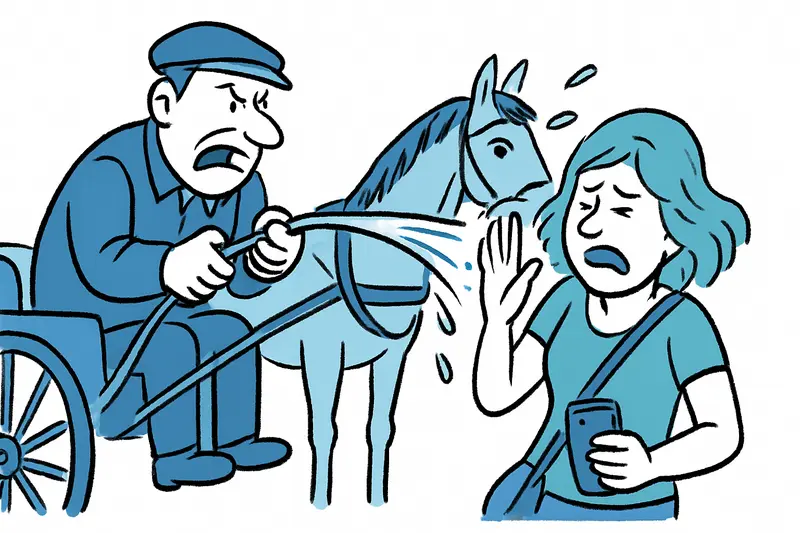
A German tourist in Palma is sprayed with water by a carriage driver. Protests, accusations and a city investigation sho...
Can Malle hits really work in Hamburg? A reality check for the premiere of "ALLE LIEBEN MALLE"
Premiere at the Großmarkt: thousands of attendees, stars from the Megapark and long beer queues. Why the concept works —...
Adrien Brody strolls through Mercat de l'Olivar – celebrity visit leading to Sa Pobla
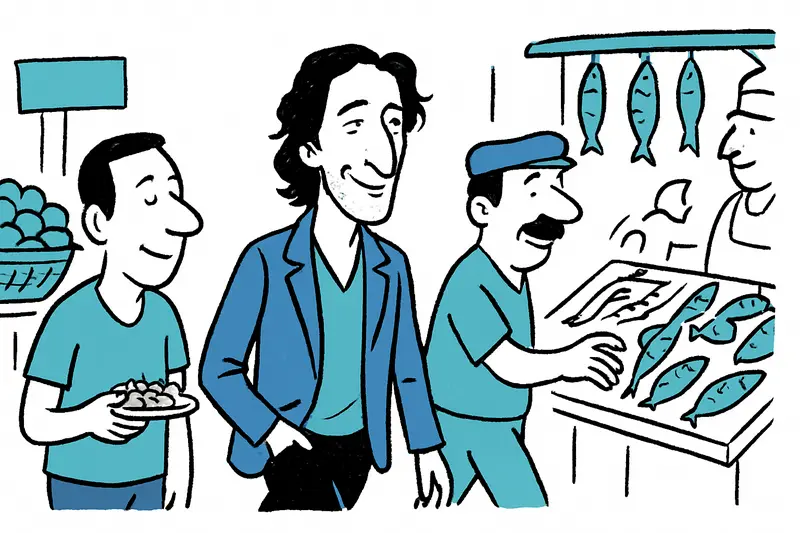
Actor Adrien Brody was casually spotted at the Mercat de l’Olivar: tapas, fish stalls and later a stop in Sa Pobla spark...
More to explore
Discover more interesting content

Boat Tour with BBQ along Es Trenc Beach

Private transfer from Mallorca Airport (PMI) to Pollensa
