
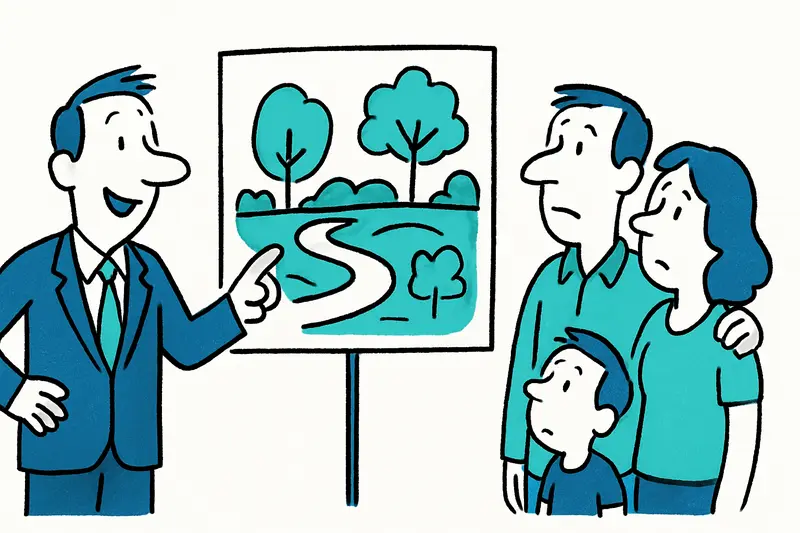
Green Area Instead of Mini-Golf: New Public Park Coming to Playa de Palma
Green Area Instead of Mini-Golf: New Public Park Coming to Playa de Palma
Palma's town hall has given the green light: a public park will be created on the former Dino Golf site at Playa de Palma on 35,000 m². Investment: €7.8 million, construction time: 24 months.
Green Area Instead of Mini-Golf: New Public Park Coming to Playa de Palma
City planning permits use of the former Dino Golf site – play, sport and shade for the promenade
When you walk along the beach promenade at Playa de Palma on a mild May evening, you can still hear the clinking of glasses, the giggling from beach bars and the distant rattling of buses. Right where the colorful lanes of Dino Golf stood years ago, something else is set to attract attention: Palma's town hall has approved the conversion of the 35,000 m² site. The mini-golf course will become a public park.
The figures are clear: the city budgets €7.8 million for the project, and the planned construction time is about 24 months. The area will include play areas for children, zones for various sports and many shady spots – an answer to hot summer days when the sun bakes the promenade and walkers gasp for air, similar to Palma’s new park area in s'Olivera: Good idea, well planned — or just pretty paving?.
Important for residents: it's not just about greenery on the site itself. The plans include redesigning nearby streets and, in places, turning them into pedestrian zones, an approach used in Palma bets on El Terreno: Three million for a neighborhood meant to come alive again. That means less traffic noise, more space for people and bikes, and, hopefully, more attractive footfall for the small shops along the promenade.
I can already picture Sundays: parents with prams, older neighbours on a bench under new trees, teenagers playing football or doing calisthenics on a sports area. Such everyday scenes are not abstract; they shape the character of a neighbourhood – and that's what the project aims for. Shaded spots and planting can also improve the microclimate, a simple but tangible relief during heat waves.
The city's decision is a signal on several levels. For tourists, a park is an additional stop between beach and city; for residents, an expansion of their open space. Converting a former leisure area into publicly accessible greenery also represents an upgrade of social infrastructure: spaces to move, linger and meet, without entrance fees or commercial pressure.
What would make sense now: the city administration could place more emphasis on local ideas in the further process. Suggestions from the neighbourhood for play equipment, areas for community gardens or weekly markets would help integrate the park into everyday life more quickly, as councils have done when renewing surfaces and facilities in other districts like Camp Redó (New Grip for Palma's Playgrounds: Safer Play in Camp Redó & Co.). Plants that need less water and attract native bird species would lower operating costs and suit the local character.
Next steps are: finalise building permits, hold talks with residents and businesses, and soon see the first excavators roll, as with other major projects such as Playa de Palma and Bellver Redevelopment: Shade, Paths — and Many Questions. Two years of construction sounds long, but it is realistic for a project of this size – provided that half the plans aren't watered down in the meantime.
A small, pragmatic piece of advice for the authorities: communicate visible interim stages. A temporary playground or provisional planting during the construction phase creates acceptance and offers immediate benefit. And to the local residents: get involved. A park only becomes lively when it is used – by cyclists, by readers on benches, by children hiding behind olive bushes.
Conclusion: transforming the former Dino Golf area into a public park is an offer to both the neighbourhood and visitors alike. More green, more space to move, less traffic noise – these are not grand promises but tangible changes you can see and feel. And when, in a few years, the first shaded spots take effect and the scent of thyme drifts from the flowerbeds, you'll wonder why it didn't happen sooner. A piece of the city learning to breathe.
Frequently asked questions
What is planned for the former Dino Golf site in Playa de Palma?
When will the new park in Playa de Palma be finished?
Why is Palma building a park instead of another leisure venue at Playa de Palma?
Will the new Playa de Palma park help during hot summer weather in Mallorca?
What kind of facilities will the new Playa de Palma park have?
Will traffic change near the new park area in Playa de Palma?
How much is Palma spending on the new park in Playa de Palma?
How can residents near Playa de Palma get involved in the park project?
Similar News
When the Wallet Becomes a Danger: Attack in Peguera and Lessons for Mallorca
In Peguera, two women are said to have stolen the wallet from a 75-year-old German couple. When the victim intervened, t...
Plata stays Plata: Young people take over, Llonguets remain
A small bar on Carrer de l'Argenteria will continue: Tolo Serra hands the place over to young Mallorcans at the end of t...
Unnoticed in the Luggage Compartment: How a Boy Traveled More Than 100 Kilometers in a Team Bus
A minor traveled in the undercarriage of a team bus for more than 100 kilometers until his cries for help were heard. A ...

Cap Vermell Grand: Second Michelin Key – a Gift for the East
The Cap Vermell Grand in Capdepera has been awarded its second Michelin key. For the region this elevates the luxury off...
Eurowings lets four aircraft carry names – a friendly idea that also reaches Mallorca
Eurowings is launching a campaign: four Airbus A320s are to carry the first names of people who help others in everyday ...
More to explore
Discover more interesting content

Can Cap de Bou

Townhouse Lleo 72
