
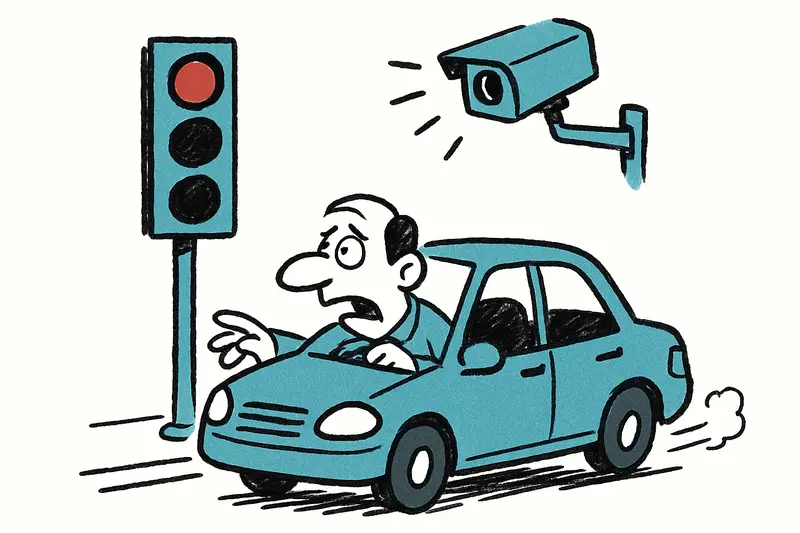
New red-light cameras in Palma: safety measure or hidden revenue source?
New traffic light cameras have been installed at several intersections in Palma. The key question: do they really serve safety — and what should drivers, pedestrians and politicians do now?
New red-light cameras in Palma: safety measure or hidden revenue source?
Early in the morning, when the sun still lies low over the Avenida Adolfo Suárez and a delivery van screeches into the corner, you now see them: small metal boxes on the pole, warning signs numbered S‑991c and the inspecting eye of the camera, as reported in Three new radar devices on Avenida Adolfo Suárez have been active since today. The central question being discussed in cafés, at petrol stations and on social networks is: Is this really primarily about traffic safety — or about extra fine revenues?
How the technology works and what it means
The new systems operate on a simple principle: two images document the violation — one before the stop line, one when the vehicle passes the intersection. The pictures are sent to the responsible authorities; for clear violations fines of up to €200 and four points in the Spanish points system are possible. For many this is a stark warning, because drivers in Spain start with 12 points, and losing them means losing the licence.
The practical consequence is already visible: at some lights more cars now stop on amber, tailgating has decreased. Pedestrians breathe a sigh of relief. On the other hand, some drivers feel constantly monitored — especially where the device is placed in locations with poor visibility or seemingly short light phases.
Locations and visibility: more than just boxes on poles
So far known locations include the Avenida Adolfo Suárez towards the airport, the intersection Carrer de Manacor / Francesc Pi i Margall and the corner Tomás de Villanueva i Cortés / Isaac Albéniz. Notably, at some of these sites the new warning sign S‑991c is already displayed — at other spots it is missing or hardly visible. This breeds mistrust: if the measures are really meant for prevention, signage must be consistent and clear, otherwise everything feels like a trap, as in the case of Four speed cameras in 500 meters: safety or rip-off on the Paseo Marítimo?.
Aspects that are overlooked
Less publicly discussed is how often false alarms or misjudgements can occur, how the data are stored and who has access. Are the cameras calibrated? Are there independent inspections? How long are recordings retained? Residents report uncertainty: some intersections are complex, there are motorcyclists who weave through narrowly, trucks with poor sightlines and tourists not yet familiar with the roads. Similar worries were raised in reports about Hidden speed cameras in the Balearic Islands: safety or trap?, and official information on radar controls can be consulted at DGT: radares.
Another issue is the traffic light timings themselves. In some cases drivers react to an abrupt change faster than expected — a too-short amber phase can mean the difference between cautious passage and a fine. Often missing is the discussion: are the light programs optimal for the respective traffic situation?
Concrete proposals instead of mere criticism
Instead of just complaining, there are concrete steps the city administration and the DGT should take now: first, a transparent map of all active locations with clear signage; second, a one-month warning phase in which only notices are sent instead of fines; third, regular, publicly accessible inspection reports on calibration and error rates of the systems.
Additionally, adaptive light phases could be considered: longer amber times at heavily used intersections, smart control during peak hours, and prioritisation of pedestrians and cyclists in the city centre. Such measures would enhance the safety effect without making the public feel like they are simply being tapped for money.
What drivers can do now
The simplest advice is banal — and it works: drive a little more defensively. If unsure at amber, wait one second longer. If you already receive a fine, carefully check the images and consider filing an appeal; technical errors do occur. And in the long term: engage in city council discussions, organise petitions to demand transparent rules.
A chance for Palma
The new red-light cameras are not an end in themselves. Used properly, they can reduce the risk of injury at intersections — especially for pedestrians crossing in the morning with shopping bags and children, and for cyclists who are often overlooked. If the city administration, the traffic authority and citizens work together, the current wave of mistrust can turn into progress: fewer accidents, clearer rules and a better feeling on Palma's streets.
And yes — the small metal boxes and the S‑991c sign will remain while traffic hums and some clock tower strikes somewhere. Those standing on the Avenida Adolfo Suárez in the morning now see not only the cameras, but also something that can make sense if the technology is transparent and the rules fair.
Frequently asked questions
Why has Palma installed new red-light cameras?
Can you get fined for crossing a red light in Mallorca?
Where are the new red-light cameras in Palma located?
How do red-light cameras in Palma work?
Do red-light cameras change driving behaviour in Palma?
What should I do if I receive a red-light camera fine in Mallorca?
Are the red-light cameras in Palma clearly signposted?
What changes could make red-light enforcement fairer in Palma?
Similar News

When Housing Becomes a Matter of Survival: Mallorca Between Rental Frenzy and Everyday Life
The case of 87-year-old Maricarmen showed that on Mallorca many people's lives are poised between affordable and uninhab...

Autumn in Mallorca: When Melancholy Gets a Window
Why autumn quietly tightens here — and how to make use of the mood: walks, culture, candles and the light from Palma to ...
Near-miss on Lanzarote: Landing Ryanair Jet and Iberia Takeoff — what really went wrong
On Lanzarote there was a dangerous incident: A Ryanair flight (FR5910) from Dublin landed on runway 03 while an Iberia E...

Eurowings introduces new Premium Business seats on Mallorca routes
From December 1, selected Eurowings flights to Palma and other destinations will feature eight particularly generous sea...

Car on MA-13 near Inca in flames – a safety check for the island
A vehicle caught fire on the MA-13 towards Alcúdia on Tuesday afternoon. The driver was uninjured, the car was destroyed...
More to explore
Discover more interesting content

Can Cap de Bou

Townhouse Lleo 72
