

New Rental Model in Mallorca: How Rooms Instead of Apartments Become a Business
New Rental Model in Mallorca: How Rooms Instead of Apartments Become a Business
Consumer advocates raise the alarm: owners are pushing tenants out, splitting apartments and renting rooms individually. Who protects those affected — and how is politics responding?
New Rental Model in Mallorca: How Rooms Instead of Apartments Become a Business
Who benefits — and how can tenants protect themselves?
On a gray mid-morning in Son Oliva you see them more often: cardboard boxes in front of doors, bags on the pavement, neighbors walking by with downcast eyes. The pedestrian zone is emptier than usual; the smell of freshly brewed coffee drifts from an open window. This is not an isolated incident but part of a pattern that consumer advocates on the Balearic Islands have been observing for months: apartments are effectively emptied out so that the spaces can then be rented out by the room at higher prices, an issue detailed in When Living Rooms Become Bedrooms: How Mallorca Suffers from a Housing Shortage.
The raw numbers collected by Consubal are worrying. Often the changes are small: a living room becomes an additional bedroom, a three-room apartment turns into five units. One example from the neighborhood: where an apartment had previously been rented for €900, the owner after conversion achieved €600 per room and suddenly earned €3,000 — an increase of €2,100 monthly. At the same time, those affected report sudden, large demands and threats of eviction despite valid contracts.
Key question: How can it be that tenants are put under pressure despite existing contracts — and what is missing to effectively prevent such practices? This question leads directly to the legal situation, enforcement practices and the economic incentives behind the phenomenon.
Critical analysis: Legally, undisclosed increases during ongoing tenancy agreements are in many cases not permissible. Nevertheless, landlords resort to pressure tactics: drastic announcements, shortened follow-up contracts (six months instead of the usual year) and threats to withhold deposits. For many affected people, especially low-income households or newcomers, going to court involves costs, time and uncertainty. Consubal points out that they prepare free complaint letters and that in many cases no lawyer is necessary — an indication of how significant the formal hurdles for tenants are.
What is often missing in the public debate is the connection between the micro and macro level: it's not just about single, extreme cases, but about a structural incentive. With more than 24,400 expiring rental contracts in the Balearic Islands next year, many owners have the opportunity to recalibrate rents, a trend examined in When €800 Suddenly Becomes €1,300: How Minimum Lease Periods Are Pushing Tenants Out in Mallorca. As long as demand for inexpensive rooms remains high and politicians do not set clear guardrails, profit-driven conversions will remain attractive, a point underscored by measures taken elsewhere such as in Madrid draws the line: Stricter rules for holiday rentals — and what Mallorca must do now.
Everyday scene: at the square near the market you hear the clatter of a van, craftsmen are fitting doors into new openings. An older neighbor watches skeptically. Someone whispers: "The family from apartment three has been packing for days." Such images repeat themselves in Son Gotleu and other neighborhoods — quietly, almost routinely, but with a major impact on affected households: loss of stability, children changing schools, additional expenses.
Also missing from the debate are the roles of municipalities and inspections: are conversions being approved? Are fire safety and hygiene regulations checked when living rooms become bedrooms? In many places there is a lack of transparency about who is negligent — and whether sanctions are imposed. Also rarely discussed are the fiscal and infrastructural consequences when housing is permanently converted into single-room rentals.
Concrete solutions that could be effective locally are not necessarily new, but are often half-heartedly implemented. Suggestions that we need in Mallorca:
- Better data and reporting requirements: every conversion of an apartment into multiple rental units should be reported and reviewed. Electronic registers could improve complaint management.
- Increased inspections: building authorities and housing oversight must sanction defects, fire safety violations and illegal sub-divisions more quickly.
- Stronger support for tenants: expansion of free legal advice, faster court procedures and emergency assistance for families who suddenly lose their homes.
- Incentives for long-term rentals: tax benefits for landlords who offer long-term contracts instead of only short six-month leases.
- Sanctions for abusive evictions: heavier fines and the possibility to assert restoration claims if an apartment is unlawfully converted to rent rooms individually.
Some of these steps require political courage. Municipalities like Palma must decide whether they will tolerate economic pressure that dissolves traditional neighborhood life. This is a question of social responsibility as much as of regulatory policy.
My conclusion: If you walk down the Carrer in the morning and see boxes, you should know: behind these scenes there is a system. It's not just the greed of individuals, but a market that creates perverse incentives and benefits from insufficient oversight. Solidarity within neighborhoods, support from consumer advocates like Consubal and clearer rules from authorities can help those affected — but without concrete political measures such practices will continue to increase. It's time for city administrations, courts and the community to work together so that people do not end up on the street for their landlords' profits.
Frequently asked questions
Why are more landlords in Mallorca renting out rooms instead of whole apartments?
Can a landlord in Mallorca change a rental contract into room-by-room renting without the tenant's agreement?
What should tenants in Mallorca do if they are being pressured to leave their flat?
Are short six-month rental contracts common in Mallorca?
Which areas of Mallorca are seeing this room-rental problem most clearly?
What are the warning signs that a flat in Mallorca may be being split into illegal room rentals?
Should Mallorca tenants check whether a room conversion has fire safety or hygiene approval?
How does the housing shortage in Mallorca encourage room rentals?
Similar News

Are the Balearic Islands the Southern Border of Europe? A Reality Check on Immigration
The Balearic Islands are again calling for EU aid after a sharp rise in arrivals by sea. Conflicting priorities between ...

"Expensive chaos" and many open questions: What clients can do when a lawyer suddenly stops responding
Several clients complain that a well-known German lawyer in Mallorca has been unreachable for months. Key question: What...

TV tip: 'The Last Problem' — Mallorca as the setting of a classic crime
A classic whodunit on Mallorca: A new miniseries set in spring 1959 brings storm, an isolated hotel and a dense web of s...

Nipping Sea Creatures: Why Bathers in Cala Major and Elsewhere Should Be Cautious
In Cala Major, bathers have reported being nipped by small fish. What is behind it, how can problems be avoided — and wh...
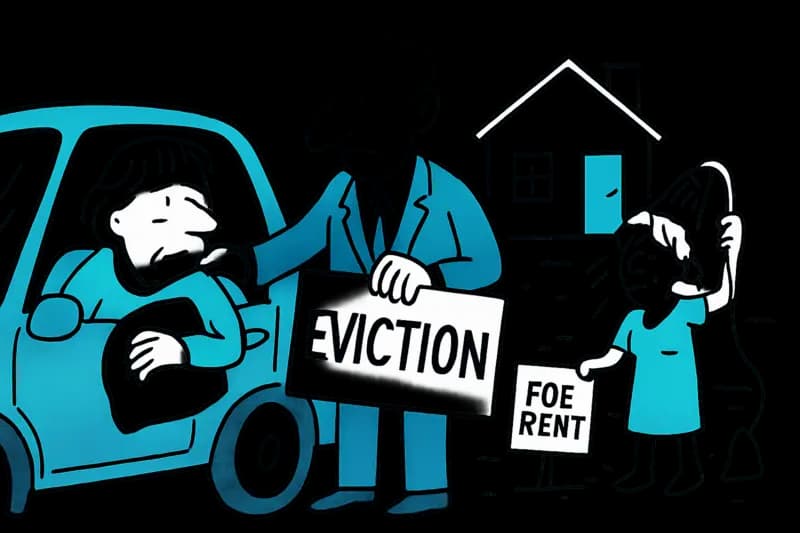
Forced eviction in Santa Catalina: When a 65-year-old slept in her car and showered on the beach — a question of responsibility
The story of Pilar López from Santa Catalina represents a problem affecting many Mallorcans: How can an island with a bo...
More to explore
Discover more interesting content

Can Cap de Bou

Townhouse Lleo 72
