
Night trains from 2027? Mallorca's late homecomings under scrutiny
SFM plans to run later and night services on all island lines from early 2027. A good idea — but staff, money, safety and neighborhood concerns will decide whether the trains actually run.
Night trains from 2027: A real chance – if the island overcomes the hurdles
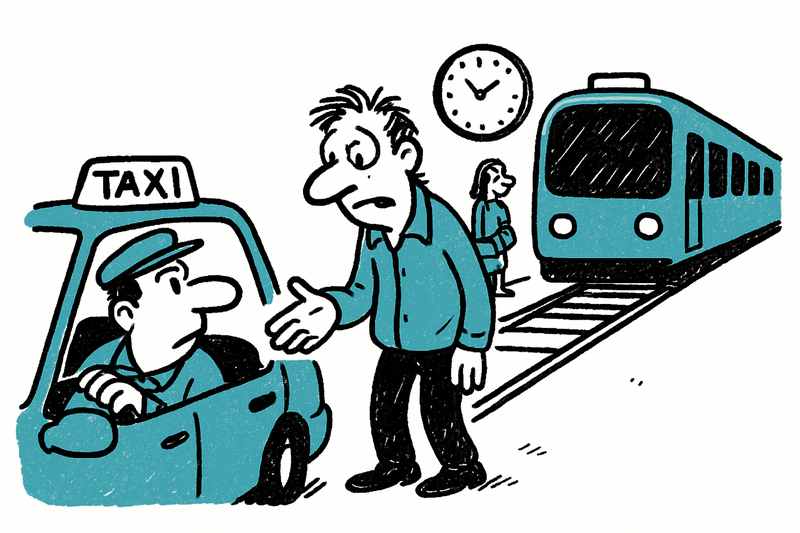
Last week, just after 11 pm on Plaça d'Espanya: bars are clinking the last glasses, taxi queues line the street, and loud music still drifts from a side street. People stand with jackets over their shoulders, wondering how to get to Inca or Manacor. The idea that a train might soon replace a taxi sounds tempting. But is SFM's good will enough to actually implement this night train revolution? As reported in Night Trains on Mallorca: Opportunity or Expensive Promise for 2027?
What is on paper
The regional railway company SFM is working on a timetable that foresees later services on weekdays and continuous night operation on weekends, before public holidays and for major events starting in early 2027, according to Night trains in Mallorca: Good idea — but can it work by 2027?.
Currently many lines end around 10:30 pm; mornings usually start again from 5:45. The idea: start later, return later — and thus provide an alternative to expensive taxis, overcrowded buses or risky drives in private cars.
The central question
Can an extended night service measurably ease traffic at night while also being economically viable and safe? This is the guiding question hanging over the whole project. The answer will determine whether it becomes a small improvement in quality of life or a half-hearted pilot scheme.
Obstacles often hidden behind the headline
The plans are ambitious — but dependent on three tricky points: staff, trains and financing. Additional drivers, night cleaning and service personnel, security staff and expanded duty planning are needed. Night operation also means higher demands for maintenance and on-call services.
One point rarely mentioned loudly: depot capacity and rail yard operations. Where will the additional trains be parked and serviced? Some depots are already at their limit during the day; ensuring extra staff and infrastructure at night is expensive. And last but not least: who pays for it? Public funds, subsidies, higher ticket prices or private partnerships — each option has consequences for passengers and operators.
What gets too little attention in the discussion
There are several underestimated aspects. First: the neighborhoods. Night trains generate noise and light, especially in small towns where trains are not used to running at night. Residents will complain if commuter trains roar by at 2 am. Second: staff is seasonal. In Mallorca demand fluctuates greatly between summer and winter — how can a stable night offering be planned across the year?
Third: integration with the bus network and the last mile. A train that stops in Sa Pobla helps little if the bus home is not running. Without coordinated connections to buses, ferries and private shuttles, empty trains outside the main routes are a risk.
Concrete opportunities and solution approaches
The idea is not only attractive, it has potential. Here is a realistic roadmap for the start:
1. Pilot phases instead of full rollout: First test weekends and event-related nights on the main axes Palma–Inca and Palma–Manacor. This allows demand, security needs and costs to be calculated.
2. Personnel drive & flexible work models: Recruitment campaigns, training places for drivers and night teams as well as special shift models can cushion bottlenecks. Cooperation with vocational schools and incentives for contracts independent of the season help.
3. Fare design: A moderate night surcharge or flat rates for night travel could cover costs without deterring passengers. It is clear: it must not become significantly more expensive, otherwise the car will remain attractive.
4. Safety & service: Visible security teams, camera technology, cleanliness and well-lit stops are mandatory to build trust — especially for women and shift workers.
5. Coordination with events: Early coordination with event organizers (e.g. the auditorium, Festes de Sant Joan) enables demand-driven additional trains and avoids half-empty services.
A look at the outcome
If implementation succeeds, Mallorca will benefit in several ways: fewer nighttime car trips, less noise in residential streets, new opportunities for gastronomy and culture outside Palma and safe journeys home for shift workers. If the project fails due to personnel or financing issues, it will remain a missed opportunity — and the taxi queues at Plaça d'Espanya will keep telling their story.
Conclusion
The idea of taking the train home relaxed after a concert or a long shift is tempting. SFM has a plan — but implementation requires courage, money and a lot of coordination. The island government must set clear priorities: pilot projects, targeted investments and transparent communication. If that succeeds, Mallorca's nights could indeed become more relaxed. If not, we will continue to stand at the plaza, listen to the roar of taxi engines and wonder why it didn't work.
Short term: wait and watch SFM announcements. Long term:
A chance for fewer cars, safer nights and a nightlife that works not only for Palma. It is worth a serious examination.
Frequently asked questions
Will Mallorca have night trains in 2027?
Which Mallorca train lines are most likely to run at night first?
Why are night trains in Mallorca difficult to implement?
Will Mallorca night trains be a good alternative to taxis?
Are night trains in Mallorca meant for weekends only?
What should passengers expect from late trains in Mallorca?
Could Mallorca’s night trains help people living in Inca or Manacor get home late?
Do Mallorca night trains need bus connections to work properly?
Similar News

Maribel: Five Decades of Service – Housekeeper from Peguera Celebrated with a Special Honor
Over 50 years in the hotel business: María Isabel “Maribel” Molinos was honored in Palma at the Nit del Turisme by Unive...

Orange Alert over Parts of Mallorca: Are We Prepared?
Dark clouds and an announced wet spell have triggered an Orange alert in parts of Mallorca. A reality check: what's miss...

Sundair & Co.: Sale speculation and what it could mean for Mallorca
Rumors about a possible sale of the airlines Sundair and Fly Air 41, which belong to Schauinsland-Reisen — and whether b...
Anne Wünsche in Mallorca: A job offer with a catch — who fits the role of personal assistant?
Influencer Anne Wünsche has left Berlin and is urgently looking for a full-time personal assistant in Mallorca. Why the ...

Daily from New York: Palma Between Boom and Strain
United will increase the Newark–Palma route to daily flights in 2027 using Boeing aircraft (231 seats). What does the in...
More to explore
Discover more interesting content

Can Cap de Bou

Townhouse Lleo 72
