
Nighttime Violence at Ballermann: Tourist with Severe Head Injuries – How Safe Is Playa de Palma?
Nighttime Violence at Ballermann: Tourist with Severe Head Injuries – How Safe Is Playa de Palma?
A 32-year-old German tourist is in critical condition at Clínica Palmaplana after an alleged beating. The circumstances, the role of private rescue teams and the safety situation at Playa de Palma raise questions.
Nighttime Violence at Ballermann: Tourist with Severe Head Injuries – How Safe Is Playa de Palma?
Key question: How could a severely injured holidaymaker in Calle Trasimè apparently remain unattended – and what does that say about night-time strategies at Ballermann?
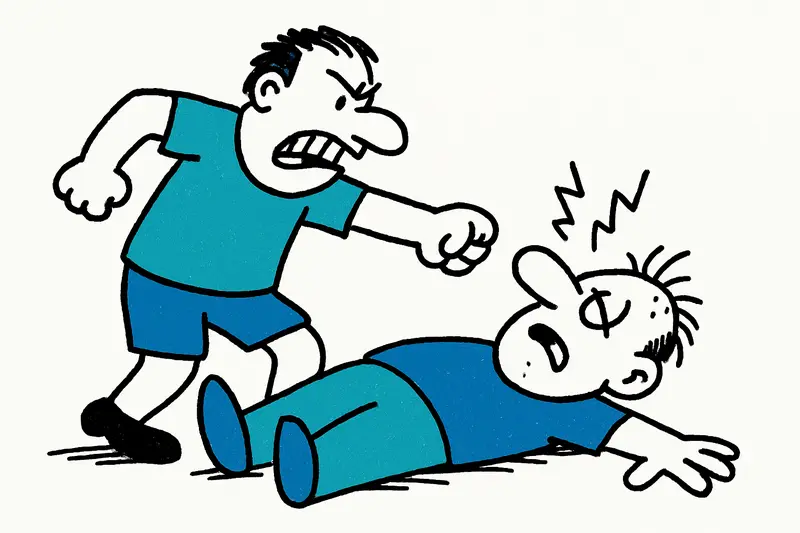
In the early hours of a Monday, a 32-year-old German tourist was admitted to a hospital at Playa de Palma with severe head injuries. According to available information, the man collapsed in his aparthotel after apparently being attacked earlier in the street. A private rescue team initially alerted recognized that the injuries did not match a simple fall; public emergency services (SAMU 061) then took over and the police (Policía Local, Policía Nacional) launched an investigation. The patient is in critical condition at Clínica Palmaplana. Investigators are searching for perpetrators and witnesses.
The facts reveal several problem areas: the crime scene Calle Trasimè, time of the incident around 03:20, an accompanying person initially claimed there had been a fall at Playa de Palma, and the injured man apparently managed to reach the hotel. A few days earlier there was another incident at Playa de Palma, a brawl at Playa de Palma, in which a man was arrested after an altercation in front of a nightclub; after being struck with a glass and allegedly having had a stone thrown at him, the suspect is said to have driven his car at the victim before being stopped in Son Gotleu and citing jealousy as a motive. Both cases point to a pattern of escalating violence in the night-time zone.
Critical analysis
The scene is familiar: loud music, flickering neon lights, taxi horns, a street sweeper already going through Calle Trasimè at five in the morning with broom and sweeper. Between beach bars and nightclubs young people meet, with spotlights on security staff and tourists. When serious violent incidents occur in this environment, multiple levels are affected: preventive police presence, the training and conduct of bouncers and security staff, the availability of medical care at night, and reporting and prosecution practices.
That a privately deployed rescue team arrived first is not an accusation per se – such services are often on site faster. It becomes problematic when the handover to public services and criminal-scene preservation is delayed or uncoordinated. Added to this are victims who, out of shame, fear, or confusion, try to downplay incidents; an accompanying person who speaks of a fall delays the search and the collection of possible evidence.
What is missing from public debate
Incidents are often reported as isolated events, less often is attention paid to organizational shortcomings behind the nightlife industry. A clear view of the interfaces is missing: Who coordinates security, medical first response and information exchange between hotels, night businesses, private rescue services and police? Where are data on high-risk locations consolidated so that prevention measures can be targeted, as examined in Ballermann in Focus: How safe is Playa de Palma really??
Everyday scene from Palma
The morning after the incident, delivery vans are seen on Avinguda de Playa de Palma, bar owners with the last cups of coffee, taxi drivers talking about changed tourism hours. A regular of Calle Trasimè waves it off: "It didn't used to happen this often in this form." The washing line in a backyard, the smell of fried fish from a chiringuito kitchen, the headlights of a police car – all of this belongs to an urban picture in which night safety must also mean everyday safety.
Concrete solutions
1) Better coordination at night: A central night-shift coordination unit where police, emergency services, private security firms and hotel representatives can quickly exchange information. This reduces response times and prevents information loss.
2) Standards for private rescue services: Clear protocols for when and how to hand over to SAMU/police, and mandatory reporting of suspicious cases to authorities so that forensic work can begin early.
3) Training and further education: Bouncers and security personnel need mandatory training in de-escalation, first aid and witness preservation – not just checklists but practical training in realistic situations.
4) Preventive presence: More visible patrols during peak hours, targeted deployments at hotspots like Calle Trasimè and in front of known clubs; community policing approaches with residents and business owners should also be tested.
5) Transparency and tourist information: Hotels and tourist offices should provide information on behavioral rules, emergency numbers and procedures in the event of violent incidents in multiple languages and in clearly visible places. Mobile apps or notices at reception areas can help organize quick assistance.
Conclusion – pointed
A severely injured tourist in the night zone of Playa de Palma is not a coincidence but a signal: party culture, alcohol and gaps in night-time safety collide here. It is not enough to catch individual perpetrators and report on the incidents. Coordinated procedures, binding standards for private actors and visible prevention on site are needed. If Calle Trasimè is to become a place where guests and neighbors can end the night without fear, politicians, police, the hotel industry and the scene must work together on clear, practical rules.
Frequently asked questions
What is the weather usually like in Mallorca in late May?
Can you swim in the sea in Mallorca in late May?
Is late May a good time to visit Mallorca?
What should I pack for Mallorca in late May?
What are the best things to do in Mallorca in late May?
Is Palma de Mallorca warm in late May?
What is the weather like in Alcúdia, Mallorca in late May?
How busy is Mallorca in late May?
Similar News
Magaluf: Watchtower Alarm – Lifeguards Pull Unconscious Beachgoer from the Water
After a drama in the late afternoon, two lifeguards at Magaluf beach rescued an unconscious 44-year-old man. He was stab...
Turquoise in the City: How dangerous is the color play of the Sa Riera?
The Sa Riera in Palma suddenly turned turquoise — a pretty motif, but behind the effect lies a discharge of saline waste...

Jeckliner at Sunnesching: Cologne spirit sets sail from Palma
In September 2027 the Mein Schiff 2 briefly becomes a floating carnival stage: four days with Cologne bands, comedy and ...
Finally Home: Mike and Leyla Heiter Buy Villa with Sea View in Mallorca
The reality TV couple Mike and Leyla Heiter have bought a house in Mallorca with a roof terrace and sea view. An Instagr...
Arrest after series in Palma: Who protects apartments from repeat offenders?
The National Police arrested a man in Palma who investigators say may have broken into several apartments. In one incide...
More to explore
Discover more interesting content

Can Cap de Bou

Townhouse Lleo 72
